
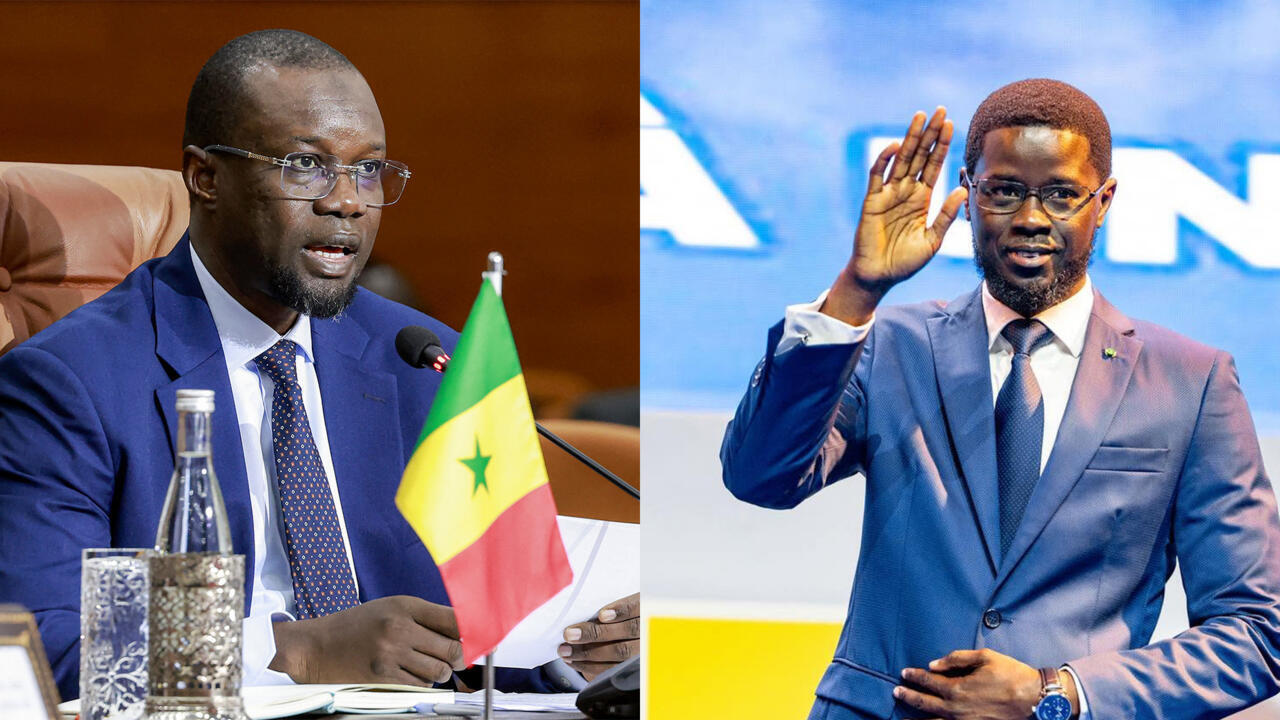
Senegalese President Bassirou Diomaye Faye and his former Prime Minister, Ousmane Sonko, are navigating a widening political rift following Faye’s decision to dismiss Sonko from his government post on May 22, 2026. While both men rose to power on a shared platform, their diverging visions for the country’s future have created a period of uncertainty ahead of the 2027 local elections.
The Institutional Fallout of a Political Divorce
The political alliance that propelled the Pastef party to power in 2024 has fractured, leading to a period of intense clarification within the Senegalese government. After months of mounting tension, President Faye removed Ousmane Sonko from his position as Prime Minister in late May. Sonko, however, retains significant influence as the leader of Pastef, a party that holds a commanding 130 of the 165 seats in the National Assembly, according to Le Figaro.

Following his dismissal, Sonko was elected president of the National Assembly. On June 6, 2026, he was re-elected to lead Pastef by 583 delegates during the party’s congress in Diamniadio. This consolidation of power within the legislative branch gives Sonko an institutional platform to challenge the executive branch, as the party maintains the ability to trigger a motion of censure against the new government formed by Prime Minister Ahmadou Al Aminou Mohamed Lô. The transition to the Lô government has been marked by a cabinet reshuffle that prioritized technocratic alignment over the populist fervor that defined the early days of the Pastef administration.
Diverging Visions for Senegal’s Economic Sovereignty
The split between the two leaders reflects fundamental disagreements over how to govern, particularly regarding Senegal’s economic trajectory. According to France 24, political analyst Maurice Soudieck Dione notes that the duo, once inseparable under the campaign slogan “Diomaye c’est Sonko, Sonko c’est Diomaye,” now represents two distinct philosophies. The rupture highlights the inherent friction between maintaining international financial credibility and delivering on radical campaign promises of economic sovereignty.
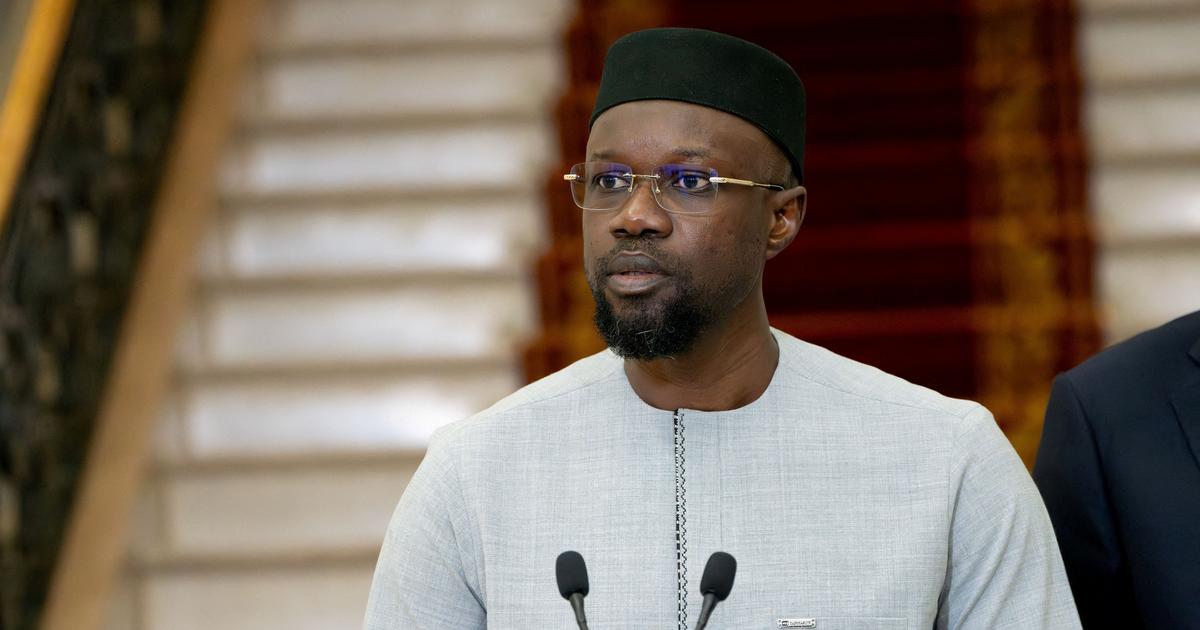
President Faye appears to favor a more pragmatic approach to state sovereignty, seeking to adapt policy to current economic realities, including the management of the country’s national debt. This approach requires maintaining a functional relationship with international lenders to ensure the stability of the CFA franc and continued access to credit markets. In contrast, Sonko advocates for a more radical transformation of the political and economic landscape. These differences are most visible in the debate over the International Monetary Fund (IMF); while Faye considers restructuring essential to addressing the country’s economic gravity, Sonko has publicly rejected the principle of IMF-led intervention. This disagreement is not merely theoretical; it influences the government’s ability to pass budgets and implement fiscal reforms, as the National Assembly now acts as a critical filter for executive policy.
Potential for Constitutional Instability
The tension between the presidency and the National Assembly has raised questions about the viability of the current government. Sonko has stated that the government could fall within 72 hours if Pastef chose to move against it, though he has signaled an intent to provide support rather than cause chaos, as reported by Jeune Afrique. This dynamic creates a precarious legislative environment where the executive branch must negotiate for every major policy victory.
The legal framework provides the President with potential countermeasures should the legislature become an obstruction. Under Article 52 of the Constitution, President Faye could invoke “pouvoirs exceptionnels” to govern by ordinance for three months in the event of a severe institutional crisis. However, the President’s power to dissolve the National Assembly is restricted by law; he cannot initiate such a move until November 2026, two years after the legislature was established. This constitutional waiting period effectively forces the two leaders into a period of uneasy cohabitation, where the threat of a motion of censure serves as a constant check on executive authority.
“Si Pastef le veut, dans 72 heures, ce gouvernement peut tomber. Mais nous ne le censurerons pas. Nous allons les accompagner.”
— Ousmane Sonko, via Le Figaro
The 2027 Local Elections as a Political Barometer
With the next presidential election set for 2029, the upcoming local elections in 2027 are viewed by observers as the primary test for both camps. These local contests will likely determine the real-world political weight of the Faye presidency versus the Sonko-led Pastef machine. Historically, local elections in Senegal serve as a mid-term referendum on the national government’s performance, providing a clear indication of voter sentiment regarding the pace and direction of reform.

As the country prepares for these local polls, the internal cohesion of Pastef remains a focal point for political analysts. Discussions have emerged regarding whether President Faye—who remains an honorary member—could face exclusion from the party, or what consequences await members who chose to join the new cabinet despite Sonko’s directive to boycott the government, according to RFI. The party’s disciplinary mechanisms are now being tested as the leadership weighs the cost of ideological purity against the benefits of maintaining a broad political tent. For now, both sides maintain that their competition is a democratic process, with Sonko emphasizing that the dispute is one “qui se réglera dans les urnes.” The outcome of this internal struggle will ultimately define the political landscape of Senegal leading into the next cycle of national elections.
Find more reporting in our News section.
