
A surprising link between the shingles vaccine and improved outcomes for dementia patients has emerged from new research out of Stanford University and Wales. The study, published today in the journal *Cell*, suggests the vaccine not only offers potential preventative benefits against dementia, but may also slow disease progression and reduce mortality rates in those already diagnosed[[1]]. These findings add to a growing body of evidence suggesting that vaccinations may offer broader health protections than previously understood[[2]], [[3]].
Shingles Vaccine Linked to Lower Dementia Risk and Improved Survival in New Study
(Seoul=Yonhap News Agency) A new study suggests that the shingles vaccine may not only help prevent dementia, but also reduce the risk of death for those already living with the condition. This research adds to a growing body of evidence highlighting the potential broader health benefits of vaccination beyond preventing the targeted disease.
이미지 확대
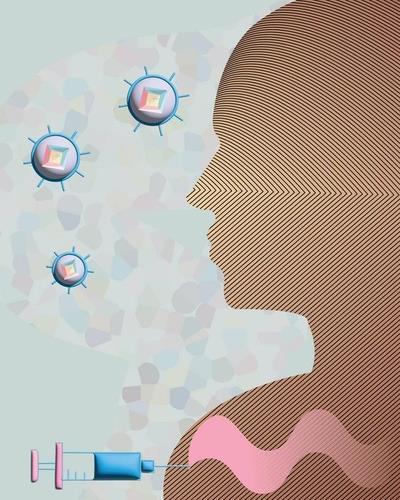
A study of older adults in Wales found that approximately half of those with dementia at the time of shingles vaccination died over a nine-year follow-up period, but the mortality rate was significantly lower – around 30% – among those who received the vaccine. [Emily Moskal/Stanford Medicine provided. Resale and DB prohibited]
Researchers at Stanford University School of Medicine have discovered that the shingles vaccine, specifically the live attenuated zoster vaccine, is associated with a significantly reduced risk of death in individuals with dementia. The findings, published December 3 in the journal Cell, are based on a nine-year follow-up study of individuals in Wales who received the vaccine around age 79.
“Perhaps the most intriguing aspect of our findings is that the shingles vaccine appears to have therapeutic potential for individuals already living with dementia, not just preventing or delaying its onset,” said Dr. Pascal Geldsetzer, lead author of the study. He added that a large, randomized controlled clinical trial is needed to confirm these results.
The research builds on previous work published in Nature in April, where the same group of researchers found that shingles vaccination was linked to a 20% lower risk of dementia over a seven-year period. This earlier study provided strong evidence of the vaccine’s preventative effects.
The study leveraged a unique “natural experiment” created by a shingles vaccination program launched in Wales in September 2013. The program offered the vaccine to all individuals aged 79, allowing researchers to compare health outcomes between vaccinated and unvaccinated individuals while controlling for other factors.
The program provided a randomized controlled trial-like scenario, as individuals with birthdays just weeks apart were either eligible or ineligible for vaccination, creating two comparable groups of 282,541 people.
The vaccine used in the program was a live attenuated vaccine, containing a weakened form of the varicella-zoster virus, which causes both chickenpox and shingles.
Shingles occurs when the varicella-zoster virus, which remains dormant in nerve cells after a chickenpox infection, reactivates later in life, often due to aging or a weakened immune system.
Researchers compared the health of vaccinated and unvaccinated individuals over time. Their analysis revealed that by 2020, when participants were approximately 86-87 years old, one in eight had been diagnosed with dementia. The risk of developing dementia was 20% lower in the vaccinated group compared to the unvaccinated group.
The researchers emphasized that the two groups were similar in terms of education level, rates of diagnoses for conditions like diabetes, heart disease, and cancer, and that the observed difference in dementia risk was likely attributable to the vaccine’s protective effect, regardless of how the data was analyzed.
Furthermore, vaccinated individuals were less likely to be diagnosed with mild cognitive impairment (MCI), a precursor to dementia. Importantly, those who were already diagnosed with dementia at the time of vaccination had a significantly lower risk of dying from the disease.
Among the 7,490 individuals with dementia at the start of the study, half died during the nine-year follow-up period. However, the mortality rate was approximately 30% lower among those who had received the shingles vaccine, suggesting the vaccine may slow disease progression.
The protective effect of the vaccine against dementia was more pronounced in women than in men, potentially due to differences in immune response or the way dementia develops in each sex, the researchers noted.
The researchers acknowledged that the mechanism behind these effects remains unclear – whether it’s due to the vaccine’s ability to boost the immune system, reduce viral reactivation, or another factor.
“It is unknown whether the newer recombinant shingles vaccine, which offers more robust protection against shingles, would have the same or even greater effects on dementia,” said Dr. Geldsetzer. “Further investment in this area of research could lead to significant advances in the treatment and prevention of dementia.”
◆ Source : Cell, Pascal Geldsetzer et al., ‘The effect of shingles vaccination at different stages of the dementia disease course’, https://www.cell.com/cell/fulltext/S0092-8674(25)01256-5
scitech@yna.co.kr
제보는 카카오톡 okjebo
<저작권자(c) 연합뉴스,
무단 전재-재배포, AI 학습 및 활용 금지>
2025년12월03일 08시13분 송고
