
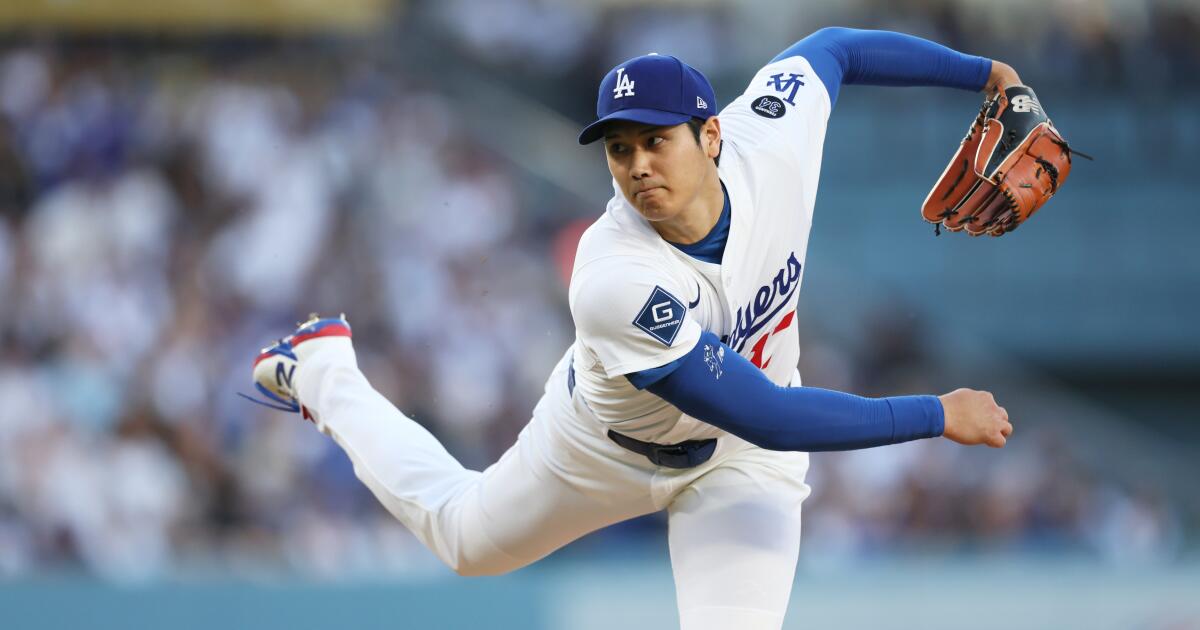
Is Shohei Ohtani’s return to the mound signaling a true revolution in baseball? This article explores the “Ohtani effect” and how his comeback as a two-way player is already reshaping team strategies, player advancement, and the very definition of baseball talent. Discover the strategic implications and future trends emerging as teams adapt to the rise of the two-way player in modern baseball.
Shohei Ohtani’s return: Reshaping the Landscape of Modern Baseball
Table of Contents
- Shohei Ohtani’s return: Reshaping the Landscape of Modern Baseball
- the Future of Two-Way Baseball: Shohei Ohtani’s Trailblazing Impact
- The Ohtani Effect: Redefining Player Roles
- Roster Construction and the Rise of the “Two-Way” Player
- Strategic Implications: Game Planning and In-Game Adjustments
- The Impact on Fan Engagement and the Business of Baseball
- Challenges and Considerations
- The Two-Way Player Revolution: What’s Next for Baseball?
The baseball world held its breath. When Shohei Ohtani, the two-way phenom, stepped onto the mound for the Los Angeles Dodgers, it wasn’t just a game; it was a statement. After a long recovery from elbow surgery, his return signals a potential shift in how we view player roles and team strategies. This article delves into the implications of Ohtani’s comeback and what it might mean for the future of baseball.
The “Unicorn” Returns: A New Era Dawns
Ohtani’s ability to pitch and hit at an elite level has always been extraordinary. His return to the Dodgers, after signing a massive contract, is more than just a player returning from injury. It’s a test case for how teams can maximize the value of a truly unique talent. The Dodgers, and the entire league, are watching closely.
Manager Dave Roberts’ excitement is palpable. He, like many, recognizes the past significance of witnessing Ohtani’s dual prowess. The initial outing, though not perfect, was a crucial step. The fact that he touched 100 mph on his fastball, even if unintentionally, is a testament to his recovery and potential.
The Challenges and the Triumphs
Ohtani’s first outing highlighted the challenges. Command issues and a rusty performance are expected after such a long layoff. However, the ovation he received from the crowd underscores the excitement and anticipation surrounding his return. It’s a reminder of the tantalizing potential he brings to the game.
did you know? Ohtani’s second elbow reconstruction is a testament to his dedication. He’s not just a talented player; he’s a resilient athlete pushing the boundaries of what’s possible.
The Strategic Shift: how Teams Adapt
The Dodgers’ approach to Ohtani’s return provides a glimpse into future strategies.Initially, the team was cautious, prioritizing his offensive contributions. This highlights the delicate balance teams must strike when managing a two-way player. The goal is to protect their investment while maximizing their impact on the field.
The shift in strategy, driven by Ohtani’s feedback, is crucial. His concerns about the physical toll of pregame routines demonstrate the importance of player input in managing workloads. This could led to more personalized training and recovery plans for two-way players in the future.
pro Tip: Teams should prioritize open interaction with their players. Understanding their physical and mental needs is crucial for long-term success and player well-being.
The Future of Two-Way Players: A Growing Trend?
Ohtani’s success could inspire a new generation of two-way players. while his talent is remarkable, his presence could encourage more teams to invest in developing players with both pitching and hitting skills. This could lead to a more dynamic and exciting game.
The rise of two-way players isn’t just about individual talent; it’s about strategic advantages. Teams can gain a significant edge by having a player who can impact the game in multiple ways. This could lead to a shift in scouting and player progress, with a greater emphasis on versatility.
Case Study: The Impact of Versatility
Consider the impact of a player who can pitch effectively and hit for power. This player can start games, provide relief, and contribute offensively. This versatility allows a team to optimize its roster and create matchup advantages. The potential for strategic versatility is immense.
The Impact on the Game: What to Expect
Ohtani’s return will likely influence several aspects of the game:
- Roster Construction: Teams may prioritize players with multiple skill sets.
- Training Regimens: Personalized training programs will become more common.
- Strategic Decisions: Managers will have more options in game situations.
The evolution of baseball is constant. Ohtani’s comeback is a significant chapter in this ongoing story. His performance will be a key indicator of the future of the sport.
Frequently Asked Questions
Q: How will Ohtani’s return affect the Dodgers?
A: It will significantly boost their offensive and pitching capabilities, making them a stronger contender.
Q: Will more players attempt to be two-way players?
A: Possibly. Ohtani’s success could inspire more players and teams to explore this path.
Q: What are the biggest challenges for two-way players?
A: The physical demands and the need for specialized training and recovery are significant.
Shohei Ohtani’s return is more than just a comeback; it’s a potential turning point for baseball. His journey will be closely watched, and his impact will be felt for years to come. What are your thoughts on the future of two-way players? Share your comments below!
the Future of Two-Way Baseball: Shohei Ohtani’s Trailblazing Impact
Shohei Ohtani’s return to the mound, even for a limited role, marks a pivotal moment in baseball history. His unique ability to excel as both a pitcher and a hitter is reshaping how teams approach player development, roster construction, and game strategy. This article delves into the potential future trends stemming from Ohtani’s influence, exploring how his success could revolutionize the sport.
The Ohtani Effect: Redefining Player Roles
Ohtani’s presence forces a reevaluation of traditional player roles. The Dodgers’ decision to use him as an “opener” highlights the flexibility teams now consider. This approach allows them to leverage Ohtani’s pitching ability without the full workload, maximizing his value as a hitter. This strategy could become more common, especially for players recovering from injuries or those with specialized skill sets.
The key takeaway? Teams are increasingly willing to experiment with unconventional player usage to gain a competitive edge. This includes utilizing players in multiple positions, optimizing matchups, and adapting strategies based on individual player strengths.
Did you know? Before Ohtani, the last player to regularly pitch and hit at a high level in MLB was Babe Ruth, nearly a century ago!
Roster Construction and the Rise of the “Two-Way” Player
ohtani’s success is influencing how teams build their rosters. The Dodgers’ willingness to accommodate his unique skill set, even at the expense of a traditional roster spot, demonstrates a shift in priorities. Teams are now actively scouting and developing players with the potential to contribute in multiple facets of the game.
This trend could lead to:
- Increased emphasis on player versatility: Teams will prioritize players who can play multiple positions or contribute in different ways (e.g., pitching and hitting).
- Changes in scouting and player development: organizations will need to adapt their scouting and development programs to identify and nurture two-way talent.
- Potential for new statistical metrics: The need for new metrics to accurately evaluate the value of two-way players will grow.
Pro tip: Keep an eye on minor league systems. The next wave of two-way players is highly likely developing there. Look for players with strong hitting and pitching potential, even if they haven’t fully realized it yet.
Strategic Implications: Game Planning and In-Game Adjustments
Ohtani’s presence adds a layer of complexity to game planning. Managers must consider his availability as both a pitcher and a hitter, making strategic decisions about when to use him, how to manage his workload, and how to optimize matchups.
this could lead to:
- More frequent use of openers and “bulk” relievers: Teams may adopt strategies to maximize Ohtani’s pitching effectiveness while minimizing his workload.
- Increased emphasis on data analytics: Teams will rely on data to make informed decisions about player usage and matchups.
- Greater flexibility in in-game management: Managers will need to be adaptable and willing to make unconventional moves based on the game’s flow.
The Impact on Fan Engagement and the Business of Baseball
Ohtani’s popularity has already boosted fan engagement. His unique skill set and exciting performances attract viewers and generate significant media attention.This increased visibility can translate into higher ticket sales, merchandise revenue, and television ratings.
The future could see:
- Increased international appeal: Ohtani’s global popularity can help baseball expand its reach to new markets.
- More investment in player marketing: Teams and leagues will likely invest more in marketing two-way players to capitalize on their appeal.
- Potential for new sponsorship opportunities: Companies may seek to partner with two-way players to reach a wider audience.
Challenges and Considerations
While the future of two-way baseball looks bright,there are challenges to consider. Player health and workload management are paramount. Teams must prioritize the long-term well-being of their players to avoid injuries and burnout.
Other considerations include:
- the need for specialized training and coaching: Developing two-way players requires a unique approach to training and coaching.
- The potential for roster imbalances: Teams may need to make difficult decisions about roster construction to accommodate two-way players.
- The importance of player buy-in: Two-way players must be committed to the demanding schedule and training regimen.
Frequently Asked Questions
Q: What are the biggest challenges for two-way players?
A: The biggest challenges are managing workload, preventing injuries, and balancing the demands of both pitching and hitting.
Q: How will teams scout for two-way players?
A: Teams will look for players with strong hitting and pitching potential, even if they haven’t fully developed both skills yet. They’ll also prioritize athleticism and versatility.
Q: Will we see more two-way players in the future?
A: Yes, Ohtani’s success is inspiring teams to invest in developing more two-way talent.
Shohei Ohtani’s impact on baseball is undeniable. His ability to excel as both a pitcher and a hitter is reshaping the sport, influencing roster construction, game strategy, and fan engagement. As teams adapt to this new reality, the future of baseball promises to be more dynamic, exciting, and unpredictable than ever before.
What are your thoughts on the future of two-way players? Share your comments below!
The Two-Way Player Revolution: What’s Next for Baseball?
The baseball world is witnessing a change, largely spearheaded by the incredible Shohei Ohtani.His success as both a hitter and pitcher is reshaping how teams view player roles and strategies. But what does the future hold for two-way players? Let’s dive in.
The Ohtani Effect: Changing Perceptions
Shohei Ohtani’s dominance has shattered long-held beliefs about specialization in baseball [[2]]. Before Ohtani, the idea of excelling at both hitting and pitching at the highest level was considered nearly unfeasible. Now, teams are actively seeking and developing players with dual capabilities.
This shift isn’t just about Ohtani’s individual brilliance. It’s about recognizing the potential value of versatile players who can impact the game in multiple ways. This includes strategic advantages like roster flexibility and the ability to exploit matchups.
The MLB has adapted to accommodate thes unique talents. A “two-way player” designation allows a player to occupy a single roster spot, even if they contribute both on the mound and at the plate [[3]]. To qualify, a player typically needs to meet certain criteria, such as pitching a minimum number of innings and playing a certain number of games in the field [[1]].
This designation is crucial. Without it, teams would face difficult roster decisions, perhaps forcing them to choose between a player’s hitting and pitching contributions.
Future Trends: What to Expect
- Increased Scouting and Development: Expect to see more emphasis on identifying and developing two-way players at the amateur and minor league levels. Teams will invest in specialized training programs to nurture these multi-talented athletes.
- Strategic Roster Management: General managers will need to become even more adept at managing rosters to maximize the value of two-way players. This includes carefully planning playing time, managing workloads, and utilizing them strategically in games.
- Evolution of Training Regimens: The traditional training methods for pitchers and hitters may need to be adapted. Two-way players require a unique approach that balances the demands of both roles, focusing on injury prevention and peak performance.
- More Two-Way Stars: Ohtani’s success will inspire a new generation of players to pursue both hitting and pitching. We can anticipate a rise in the number of players attempting to master both crafts.
Did you know? The term “two-way player” isn’t new.However, Ohtani’s impact has brought unprecedented attention and strategic importance to the role.
Case Study: The Impact on Team Strategy
consider a team that has a two-way player who can pitch and play multiple positions. This player provides incredible flexibility. They can start a game on the mound, then move to the outfield or first base, or even pinch-hit later in the game. This versatility allows managers to create unique lineups and exploit matchups that would be impossible with traditional players.
Pro Tip: Keep an eye on how teams utilize their two-way players in different game situations.this can provide valuable insights into the evolving strategies of the game.
FAQ: Your Questions Answered
- What are the requirements to be designated as a two-way player? Typically, a player needs to pitch a certain number of innings and play a minimum number of games in the field.
- How does the two-way player designation benefit teams? It allows teams to maximize roster spots and utilize players in multiple roles.
- Will we see more two-way players in the future? Yes, Ohtani’s success is inspiring a new generation of players to pursue both hitting and pitching.
The two-way player revolution is here to stay. As teams adapt and innovate, the game of baseball will continue to evolve, offering fans even more excitement and strategic intrigue. What are your thoughts on the future of two-way players? Share your comments below!
