
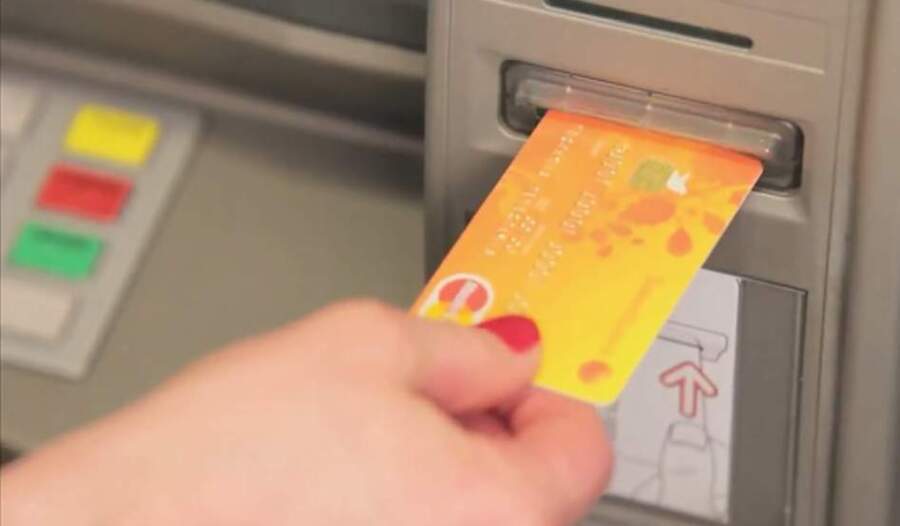
This service allows residents to combine everyday purchases with the necessitate for cash in one transaction, offering a convenient solution that saves time and travel expenses.
The system also benefits store owners by reducing the amount of cash held in their registers. This allows retailers to save on cash collection services, which typically incur additional costs and time.
How Cash Withdrawal at Checkout Works
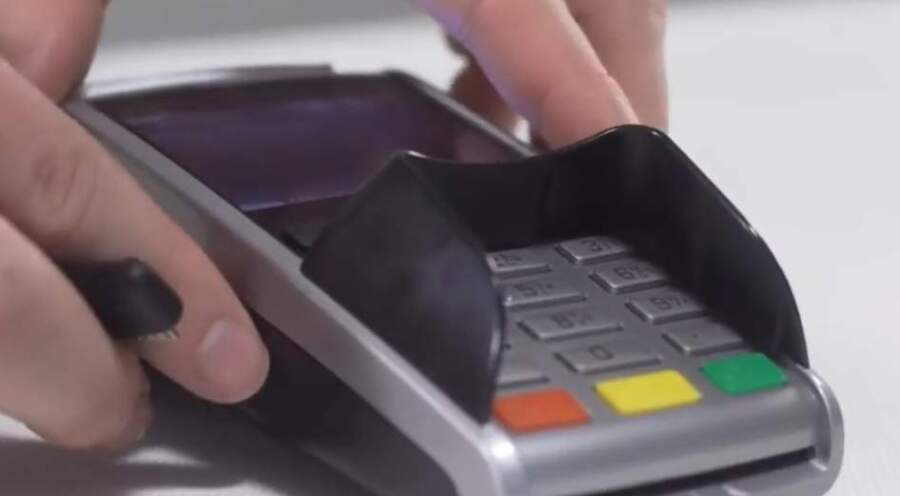
The process is straightforward. When a customer selects their items and proceeds to checkout, they simply inform the cashier that they would like to withdraw cash. A key requirement is that the service is only available with a simultaneous purchase, regardless of the purchase amount – cash can be withdrawn even with the purchase of a single loaf of bread or a box of matches.
The total amount the customer pays with a card consists of two parts: the purchase price and the amount they wish to receive in cash. After the transaction is approved, the cashier provides a receipt clearly showing how much was spent on goods and how much was withdrawn in cash, aiding in expense tracking.
Limitations and Accepted Cards
While the service is widely accessible, certain rules apply. Cash can be withdrawn using “Mastercard” debit cards issued by any bank. Latvia-issued “Visa” cards are also accepted, provided the bank has not restricted this option for the customer. Typically, a sign is displayed at the entrance of stores or at the checkout indicating that cash withdrawals are available.
There are also limits on withdrawal amounts. The minimum amount that can be requested is one cent, while the maximum limit per transaction is 100 euros. Notably, the amount of cash withdrawn is not tied to the cost of the purchase. A customer can purchase a low-value item and still withdraw the maximum 100 euros, provided the store has sufficient cash on hand.
Why It’s Beneficial for Both Customers and Retailers
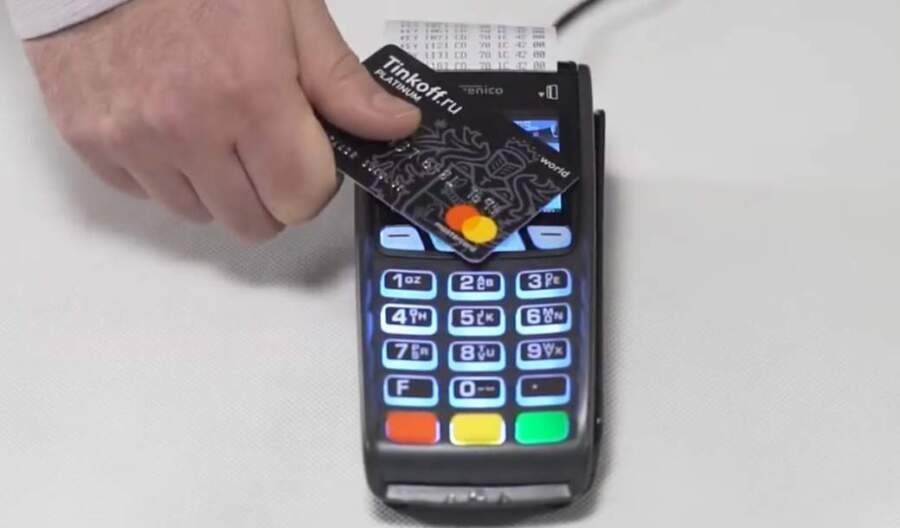
Statistics indicate that customers are actively using this option. On average, several thousand such transactions are made each month at retail locations. Customers typically withdraw around 40 euros, which is sufficient for daily expenses where card payments are not yet accepted.
For rural stores, this service helps attract more customers. Since cash withdrawal requires a purchase, residents are more likely to visit their local store rather than travel to a larger city in search of an ATM. Neither the customer nor the store typically pays additional commission fees for this transaction, making it a fair and beneficial deal for both parties. This fosters a sense of peace and security, knowing that access to funds is readily available.
For years, in many parts of Latvia where ATMs are unavailable, people have become accustomed to withdrawing cash directly at local stores. This option had become a natural part of daily life in rural regions. However, in early June 2020, the situation changed rapidly, and the service suddenly ceased to be available in many locations. One of the areas most affected by these changes was Kārķi Parish in Valkas County.
Why Cash Disappeared in Kārķi
For residents of Kārķi, the local store was the only place to access cash, as the parish has never had an ATM. The store had provided this service for six years, and people had grown particularly accustomed to it. However, as of June 9, 2020, cash could no longer be withdrawn at the checkout terminal. No one knew how long these restrictions would last, creating significant inconvenience for the local community.
Local residents, such as Dana Zirne, said at the time that withdrawing money at the store was very convenient. She no longer had to plan trips to neighboring parishes or cities just to get cash. When the store’s service was discontinued, the only option was to travel 14 kilometers to Naukšēni or even 30 kilometers to Valka.
Difficulties for Seniors and Firewood Purchases
The situation hit older people the hardest. Many seniors in rural areas do not have their own transportation, making it almost impossible to travel to the city for cash. Pensioners were the ones who most frequently used the option of withdrawing money at the store, as living in the countryside without cash was difficult.
Store manager Ineta Andrejauska explained that cash was needed for even basic needs in the countryside. Most homes were heated with wood, and firewood was typically paid for in cash. People also used to withdraw money at the store to pay bills at the local municipality. Without this service, the entire usual daily routine collapsed.
Benefits for Stores and Restrictions in Banking Systems
Read more: Latvia May Also Have to Abandon Card Payments: Europe Plans a Different Payment Method for Residents
While stores did not generate direct profits from cash withdrawals, it was still beneficial for them. First, it helped reduce expenses for cash collection – the cash on hand at the store was simply returned to customers instead of being transported to the bank. Second, to withdraw money, the customer had to purchase something, which increased the turnover of small rural stores.
At the time, the root of the problem lay in changes to the banking systems. While “Swedbank” customers could continue to utilize the service at more than one hundred locations in Latvia, others no longer had access. “SEB banka” was undertaking a major overhaul of its information technology and customer service systems, and this technical process directly affected card terminals in stores.
