
NYC Jewish Congregations Get Creative Amidst Soaring Real Estate Costs
New York City’s Jewish congregations are increasingly relying on shared spaces and innovative partnerships to maintain a physical presence as Manhattan real estate prices continue to climb.
For Rabbi Adam Mintz’s Modern Orthodox congregation, Kehilat Rayim Ahuvim, finding an affordable space on the Upper West Side proved challenging, ultimately leading them to rent from the National Council of Jewish Women’s building on West 72nd Street. “God was smiling at us one day,” Mintz said, explaining the difficulty of locating a suitable space that could accommodate services, kiddush lunch, and be accessible on Shabbat and holidays. This trend reflects a broader struggle for religious organizations in expensive urban areas to secure dedicated facilities.
The search for space isn’t always smooth; congregations like Darkhei Noam recently navigated a scramble for a new home after their previous location, Manhattan Country School, filed for bankruptcy. They’ve since secured a one-year lease with the Trevor Day School. Paul Wachtel, former co-chair of Darkhei Noam’s board, noted the difficulty of finding affordable property for congregations that only utilize the space a few times per week, emphasizing the need for partnerships with organizations that can share the space during other times. Similar challenges are facing the Fort Tryon Jewish Center, which will be forced to relocate at the end of December due to the closure of the Fort Washington Collegiate Church. You can learn more about the challenges facing religious institutions from the Pew Research Center.
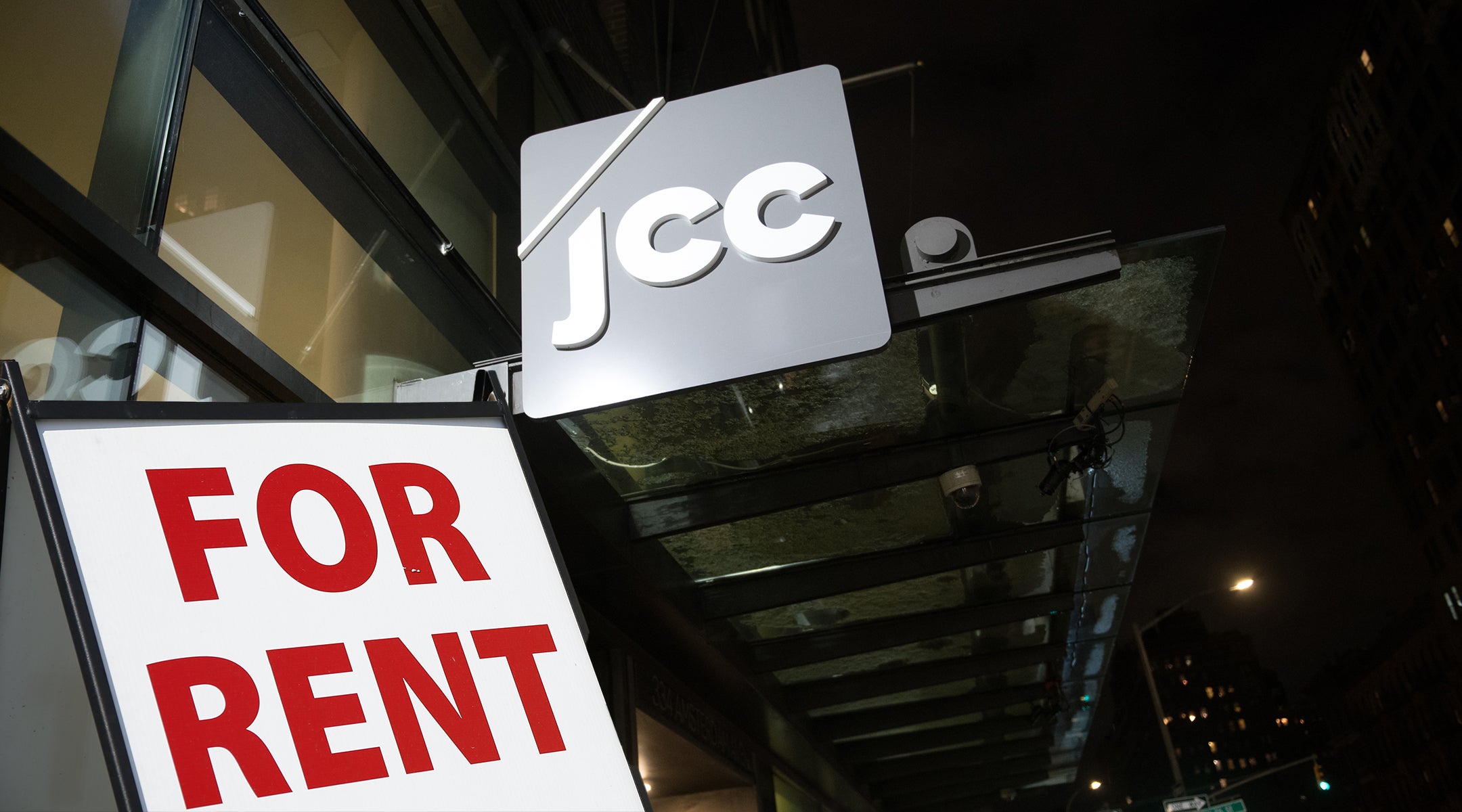
Mintz’s congregation recently moved to the Marlene Meyerson JCC Manhattan, a move he believes represents an optimal model for shared space. He envisions a wider adoption of this approach, with larger synagogues renting space to smaller Jewish nonprofits, strengthening the overall Jewish community. UJA-Federation of New York regularly provides space to community organizations, but has not yet been approached by a congregation seeking to hold regular services in their building. This shift in how congregations operate highlights the evolving landscape of religious life in major cities.
Officials are hopeful that incentivizing these partnerships through funding could become a more widespread solution as congregations continue to navigate the complexities of New York City’s real estate market.
