

A growing wave of “eclipse chasers” are planning elaborate trips to witness upcoming total solar eclipses, transforming a once-niche astronomical pursuit into a significant tourism industry. Following a well-attended 2024 eclipse across North America-where over 300,000 participated in official viewing events-demand for travel to future events is surging, with tours selling out months in advance. This article details optimal viewing locations and planning resources for the eclipses set to cross Iceland, Spain, Egypt, and North Africa in the coming years.
The pursuit of witnessing a total solar eclipse demands meticulous planning, from pinpointing the optimal viewing location to securing the necessary equipment. As a rare and awe-inspiring celestial event, eclipses are drawing increasing numbers of travelers and astronomy enthusiasts eager to experience their unique beauty.
On April 8, 2024, I found myself on a grassy hilltop in Imperial, Missouri, anticipating the moment the sun would disappear. The eclipse was imminent, and I was positioned within a path of totality experiencing 99% coverage.
A mix of anxiety and excitement filled the air. Having missed the 2017 eclipse in the United States, I vowed to not let another opportunity pass. On the hilltop, my family and I played with shadows, all wearing special solar viewing glasses that allowed us to safely observe the eclipse’s progression as the moon moved in front of the sun. We even enjoyed Oreo and Moon Pies to celebrate the occasion.
Gradually, darkness descended, birdsong ceased, and a slight chill permeated the air. Deer stood motionless at the edge of the woods, and the hilltop fell into complete shadow. Time seemed to stand still.
Then, light flooded back, and the world returned to normal with the same speed it had left. A sense of profound wonder washed over me. Everything remained as it was, yet I knew I had been irrevocably changed.
My experience wasn’t unique. On that day, I was among countless others seeking to witness this rare astronomical phenomenon. Between 2026 and 2030, there will be only a handful of total solar eclipses globally, creating limited opportunities for eclipse chasers. This scarcity underscores the importance of early preparation, from identifying prime locations to booking accommodations.
With total solar eclipses set to cross Iceland, Spain, Egypt, and North Africa in 2026 and 2027, astronomers and travel specialists recommend starting preparations now. Here’s how.
Why is eclipse-chasing travel gaining popularity?
Humans have been fascinated by solar eclipses for thousands of years, from ancient skywatchers in Mesopotamia to 19th-century eclipse hunters. However, the 1970 eclipse that crossed the eastern United States, followed by the first dedicated eclipse-chasing cruise a year later, helped establish these events as global tourism opportunities.
Today, eclipse tourism is a booming industry, estimated to be worth billions of dollars. NASA reported that over 300,000 people participated in official activities during the 2024 North American eclipse, and tours dedicated to viewing eclipses sell out within weeks of being offered.
“People wanting to travel to see a total solar eclipse need to book as soon as possible,” says Kevin Kerry, director of New Scientist Discovery Tours, a travel company specializing in eclipse-chasing tours. “This ensures a place on the best tours, or, if traveling independently, the best accommodation – ideally located close to the path of totality.”
Astronomer Martin Griffiths attributes the growing passion for eclipses to the conditions created by the COVID-19 pandemic, noting that during lockdown, “the only thing people could do was go out and look at the night sky.”
The impact of a solar eclipse extends beyond the darkness that falls on Earth; the ocean itself undergoes a complete transformation during those precious minutes. During previous eclipse expeditions, New Scientist magazine editor Lee Crane observed “strands of light” in the solar corona and the rapid advance of the moon’s shadow.
“Eclipse tourism has become a phenomenon because it combines science, wonder, and adventure all in one,” says Stephanie Derameliar, executive director of the Robert Ferguson Observatory in Northern California. “Experiencing a total solar eclipse, even just once, has the power to change your perspective on our place in the universe.”
These cosmic events occur globally between four and seven times a year, as partial, total, or annular eclipses (where the moon appears surrounded by a “ring of fire”). It’s unlikely anyone will have the chance to see a solar eclipse in the same location more than once in their lifetime, making each experience truly unique.
“If you’ve never seen a solar eclipse, don’t miss the opportunity,” Griffiths advises. “It’s something that will stay with you for the rest of your life.”
When and where to see the next solar eclipse?
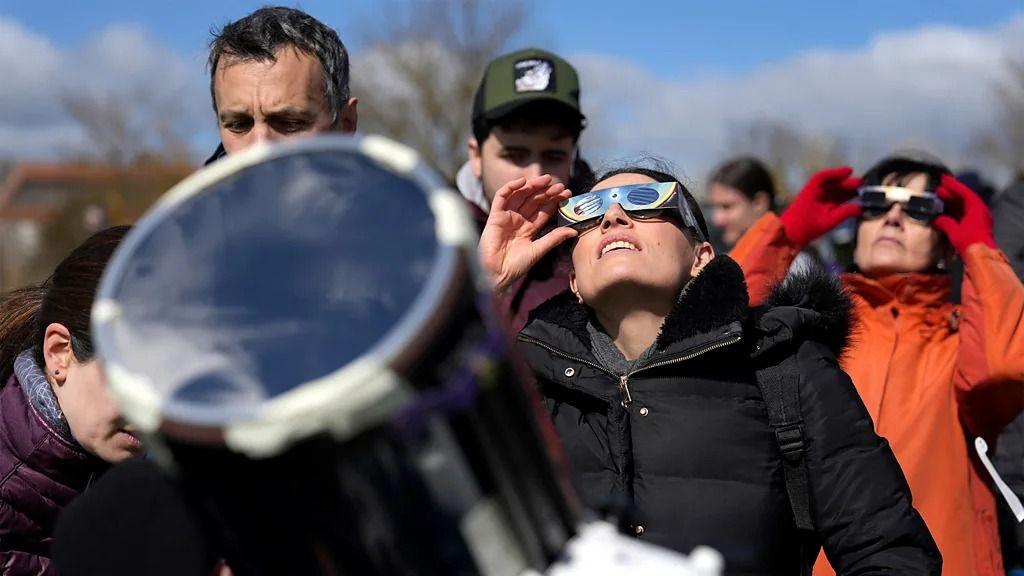
In 2026, a total solar eclipse will occur on August 12, with its path extending across the Arctic Ocean, eastern Greenland, western Iceland, and northern Spain.
Spain: The 2026 eclipse will pass over the islands of Mallorca, Menorca, and Ibiza, where tourists can witness between one and a half to two minutes of totality over the Balearic Sea. The Jumeirah Mallorca hotel, perched on cliffs, has been identified as a potential prime viewing location. The mountainous regions of northern and central Spain, including the historic cities of Burgos and Soria, also offer suitable viewing spots. Wilderness Travel is among the companies organizing tours to Spain for the 2026 eclipse, including a day-long experience on a vineyard hilltop with a meeting with renowned astronomer and eclipse expert Alex Filippenko.
Iceland: The longest duration of totality, lasting two minutes and 18 seconds, will be in Breiðafjörður Bay, between the Westfjords and the Snæfellsnes Peninsula. Hiking enthusiasts can join a glacier tour and view the eclipse from the summit of the Snæfellsjökull glacier, or participate in a six-day tour from Arnarstapi, a remote fishing village on the South Peninsula. Glaciers, volcanoes, and black sand beaches will provide a stunning backdrop to the event.
Greenland: The path of totality, lasting approximately two minutes and 17 seconds, will cover remote and uninhabited areas of Greenland’s east coast and sea. The best way to view it is by joining a cruise that traverses the Scoresby Sund fjord for an ideal eclipse day experience.
Polar Latitude Expeditions organizes cruises to Greenland for the eclipse, transporting tourists to the wild coast of Kulusuk to view the eclipse amidst glaciers.
“Luxor and Tangier are ideal destinations”
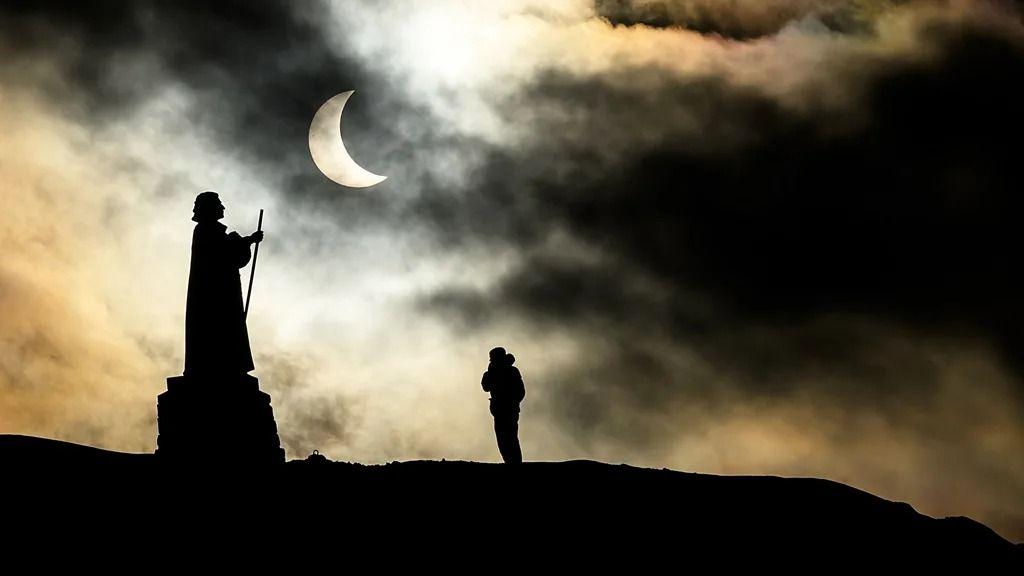
In 2027, a solar eclipse will occur on August 2, crossing southern Spain, North Africa, and the Middle East. This will be the longest eclipse of the 21st century, with a maximum duration of six minutes and 23 seconds in Luxor, Egypt.
Egypt: Tourism companies are organizing Nile River cruises to view the 2027 eclipse, including an 11-day expedition with Smithsonian Journeys. The Siwa Oasis and Asyut will also lie within the path of totality. Wilderness Travel has announced a cruise to view the solar eclipse in Luxor in 2027.
Morocco: Tangier will be entirely within the path of totality for nearly four minutes and 52 seconds, making it a primary destination for viewing the eclipse in Morocco. Eclipse Travel organizes an 11-day program to view the 2027 total solar eclipse, including tours of desert landscapes and historic cities alongside the event itself.
Southern Spain: Málaga and Cádiz, both within the path of totality for approximately one minute and 50 seconds and nearly three minutes respectively, will be ideal viewing locations. Tours to southern Spain for the 2027 eclipse are available, such as a Smithsonian Journeys marine expedition along the coasts of Spain and Portugal, with stops in Cádiz and Coimbra.
For adventurous travelers, companies like Antimatter Borders offer expeditions to view the 2027 eclipse in Algeria, Libya, and Puntland, all of which will lie within the path of totality for several minutes, promising a unique and unforgettable experience.
