
Mexico and South Africa kick off the 2026 FIFA World Cup on June 12 at 3:00 a.m. Hong Kong time. The tournament, hosted by Mexico, the United States, and Canada, features a record 48 teams competing across 104 matches. The opening ceremony precedes the game, with performances by Shakira and other international artists.
A Historical Rematch at Estadio Azteca
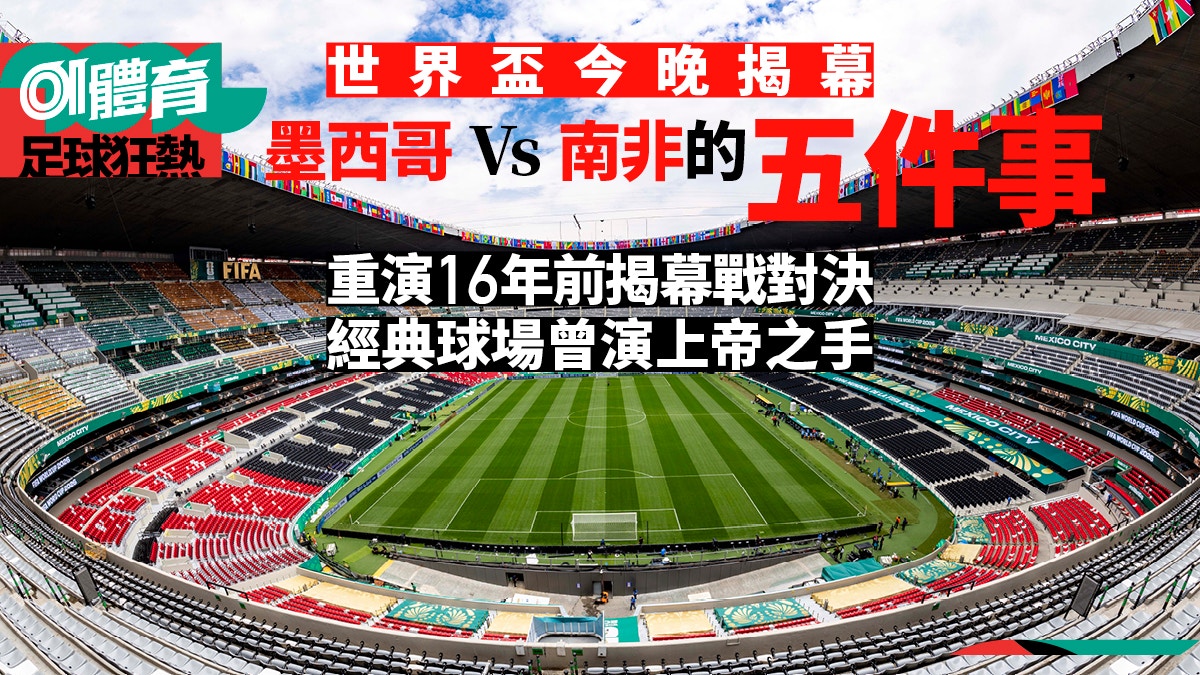
The choice of the Estadio Azteca for the opening match carries deep historical weight. This venue previously hosted the opening games for the 1970 and 1986 World Cups, according to HK01. The stadium sits 2,200 meters above sea level, where oxygen levels are roughly 77% of those at sea level—a significant physical hurdle for the South African squad, which has reportedly moved its training camp to the high-altitude city of Pachuca to acclimate.
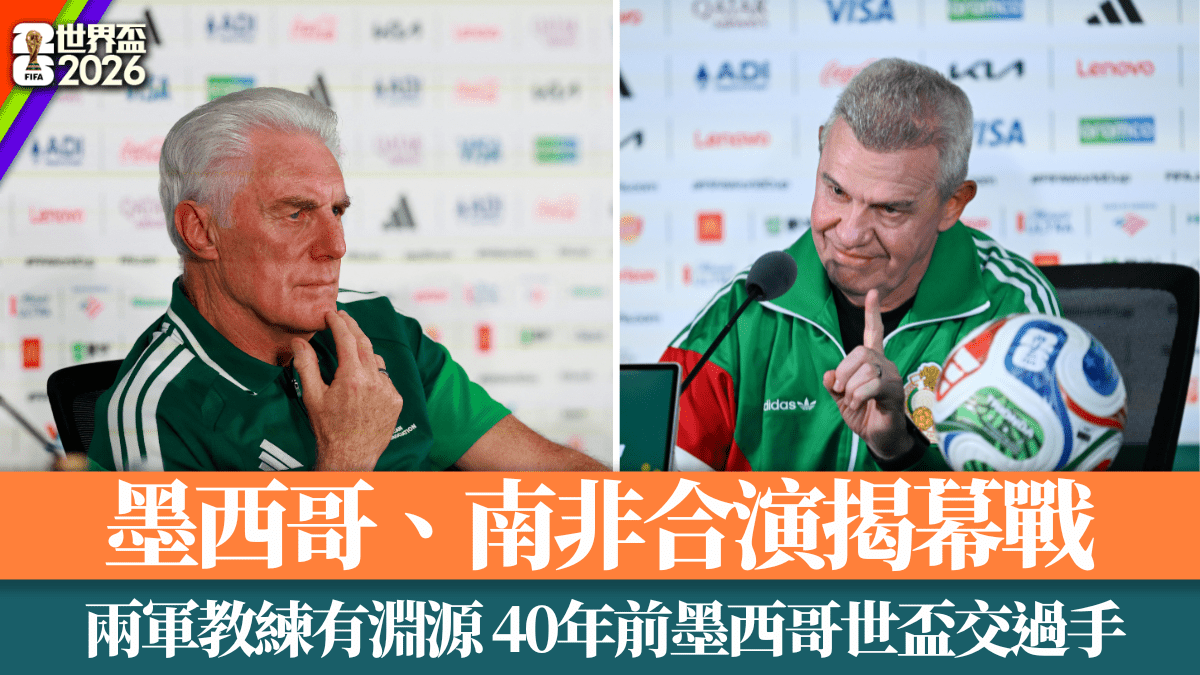
The fixture itself is a repeat of the 2010 World Cup opener, though the roles are reversed. In 2010, South Africa hosted the match, resulting in a 1-1 draw. This time, Mexico holds the home-field advantage. The connection between the two sides extends to the sidelines: Mexican coach Javier Aguirre and South African manager Hugo Broos faced each other as players in the 1986 World Cup, also held in Mexico, where Aguirre’s side defeated Broos’ Belgium 2-1, as reported by Headline Daily.
Tournament Scaling and Regional Context
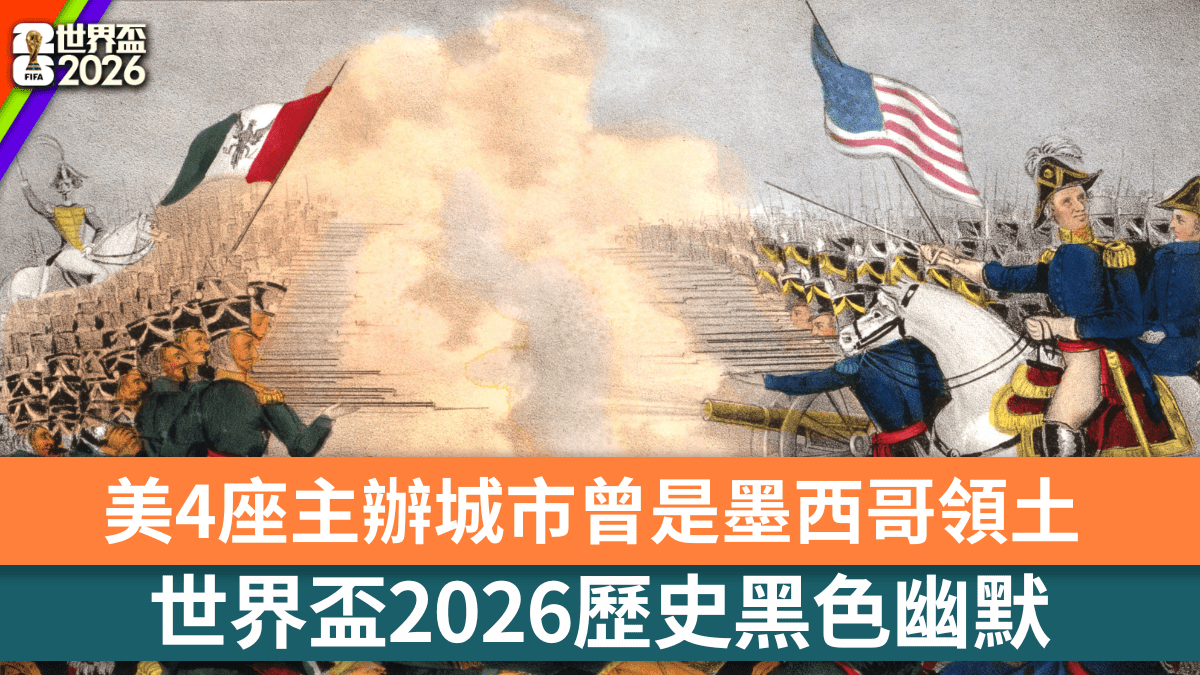
This year’s expansion to 48 teams has led to a sprawling format across three nations. While the United States provides the bulk of the infrastructure with 11 host cities, the tournament’s geography highlights a complex history. As Headline Daily World Topics notes, four major U.S. host cities—Los Angeles, San Francisco, Dallas, and Houston—were once part of Mexican territory before the 1848 Treaty of Guadalupe Hidalgo. For the Mexican team, competing in these cities adds a layer of historical irony to the tournament.
The 48-team expansion is the largest in the history of the FIFA World Cup. FIFA has implemented this structure to increase global participation and accommodate the growing commercial demands of the sport. The format consists of 12 groups of four teams, with the top two in each group and the eight best third-place finishers advancing to the round of 32. This represents a significant shift from the previous 32-team format used from 1998 to 2022, which featured eight groups of four.
For more on this story, see Canada, Bahamas ban travelers from Ebola-hit African nations amid global alert.
Predicting the Tournament’s First Goal
History suggests that the first goal of a World Cup is rarely scored by the most obvious candidate. While players like Mexico’s Raul Jimenez—noted by Yahoo Sports for his reliability with penalty kicks—are favored, past openers have seen defenders and midfielders find the net first. Notably, in 2014, the first goal was an own goal by Brazil’s Marcelo, while in 2018, it was scored by Russian defensive midfielder Iury Gazinsky.
| World Cup | First Goal Scorer |
|---|---|
| 2022 | Enner Valencia (Ecuador) |
| 2018 | Iury Gazinsky (Russia) |
| 2014 | Own Goal (Marcelo, Brazil) |
| 2010 | Siphiwe Tshabalala (South Africa) |
| 2006 | Philipp Lahm (Germany) |
Expert Outlook and Broadcast Details
Despite the unpredictability of the first goal, analysts generally favor the hosts for the opener. Football commentator Lau Shun-man, writing for on.cc, points to Mexico’s strong 2026 international record and the home-field altitude advantage as primary reasons to expect a Mexican victory. Brazilian referee Wilton Sampaio has been appointed to officiate the match, bringing experience from the 2018 and 2022 tournaments.

The role of the referee is critical in the opening fixture, as FIFA typically selects officials with extensive experience in high-pressure matches to set the tone for the competition. Sampaio, a veteran of South American football, has become a regular fixture in international officiating, having overseen matches at the highest levels of the sport. His management of the match will be monitored closely by the FIFA refereeing committee, which evaluates performance standards for the remainder of the 104-match tournament.
The match will be broadcast in Hong Kong via ViuTV 99 and Now TV channels 616 (4K) and 618. As the tournament progresses, the expanded format—which includes eight groups where the third-placed teams have a path to the knockout stages—is expected to provide more flexibility for traditional powerhouses to navigate the early rounds. This format change aims to minimize the impact of a single poor result in the opening match, providing teams with a greater statistical buffer to recover and qualify for the final 32-team knockout stage.
Find more reporting in our Sport section.
