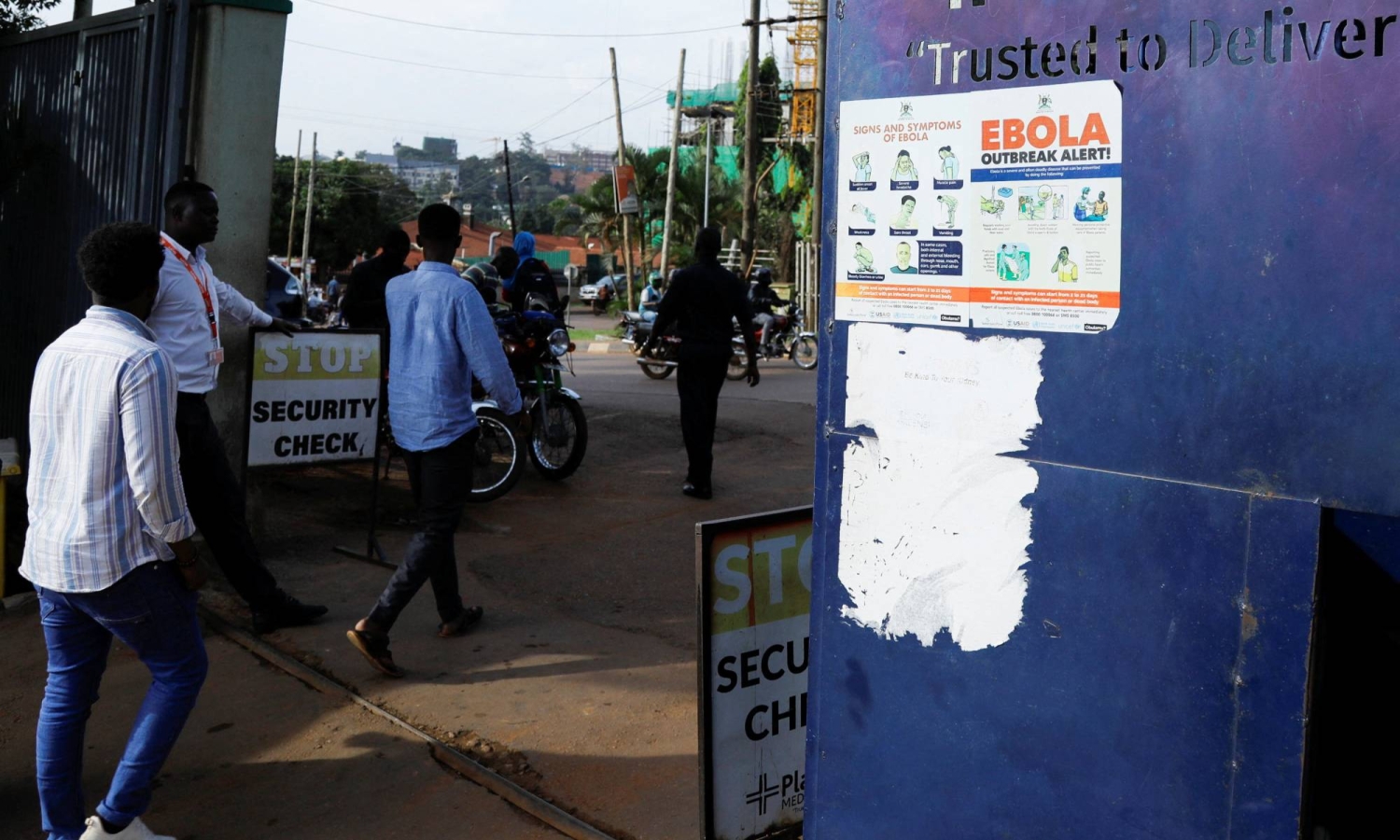
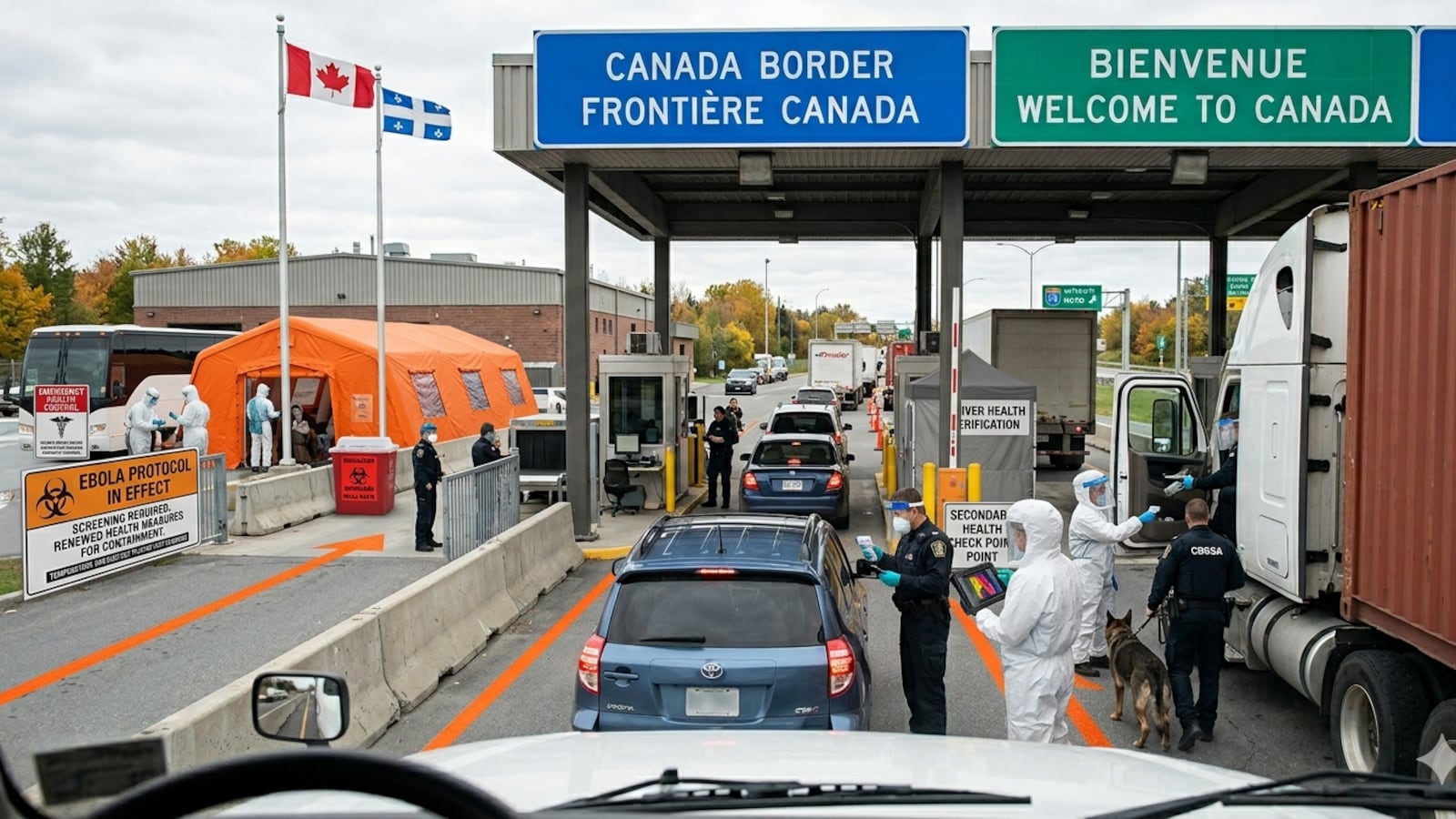
Canada and the Bahamas have imposed sweeping travel bans targeting residents of the Democratic Republic of Congo, Uganda, and South Sudan as Ebola cases surge in the region, marking the most aggressive response yet to a rapidly evolving outbreak. The moves, announced Wednesday, May 27, 2026, coincide with heightened global concerns ahead of the FIFA World Cup 2026.
The World Health Organization (WHO) declared the outbreak an emergency of international concern just days ago, escalating fears of regional transmission. While no Ebola cases have been reported in North America, the bans reflect a growing consensus among public health officials that the disease’s severity—with case fatality rates ranging from 25% to 90%—demands unprecedented precautions. The question now is whether these measures will be enough to prevent importation, or if the world is entering a new phase of global health vigilance.
Dr. Tedros Adhanom Ghebreyesus, WHO Director-General, emphasized in a May 25 press briefing that the current outbreak in the DRC—now the 14th in the country since 1976—has demonstrated “unprecedented geographic spread and transmission intensity.” The WHO’s Africa Regional Office reported that the current strain, identified as Sudan ebolavirus, has shown “sustained human-to-human transmission in multiple health zones,” including urban areas of Goma and Butembo, where population densities exceed 10,000 people per square kilometer. A study published in The Lancet Infectious Diseases last month found that the virus’s basic reproduction number (R0) in these settings has reached 2.3, significantly higher than previous outbreaks.
Dr. Jean Kaseya, DRC’s Minister of Health, confirmed in a May 24 statement that the outbreak has now spread to 18 health zones across five provinces, with the DRC’s National Institute for Biomedical Research (INRB) reporting 101 confirmed cases, 930 suspected cases, and 221 suspected deaths as of May 26. The INRB’s laboratory director, Dr. Jean-Jacques Muyembe, noted that genomic sequencing has identified “multiple independent transmission chains,” suggesting localized outbreaks rather than a single introduction event. This complexity has complicated containment efforts, as the virus has now been detected in community settings outside traditional high-risk areas.
Dr. Peter Salama, WHO’s Executive Director for Health Emergencies, stated during a May 26 technical briefing that “the combination of urban transmission, high mobility within the region, and the upcoming World Cup creates a perfect storm for potential international spread.” He cited a recent modeling study from the Imperial College London’s School of Public Health, which projected that without intervention, the outbreak could lead to 500-1,000 additional cases in the DRC by August 2026. The study’s lead author, Dr. Neil Ferguson, warned that “the window for containment is closing rapidly,” particularly as monsoon rains begin in June, which could facilitate further transmission through contaminated water sources.
Dr. Salama also highlighted that the current outbreak has seen a 30% increase in healthcare worker infections compared to previous epidemics, with 47 confirmed cases among medical staff—a figure that has prompted the WHO to deploy additional rapid response teams. The WHO’s Emergency Medical Teams initiative has activated 12 additional teams, including from France, Germany, and the United States, to support the DRC’s health system. Dr. Salama noted that “the strain on healthcare infrastructure is severe,” with some treatment centers operating at 150% capacity in Goma.
A 90-Day Blanket Ban: Canada’s Unprecedented Move
Canada’s restrictions are the most far-reaching yet. Beginning at 11:59 p.m. EDT Wednesday, the country will suspend all immigration documents—including temporary resident visas, electronic travel authorizations (eTAs), and permanent resident visas—for residents of the DRC, Uganda, and South Sudan for 90 days. The ban applies to all holders of these documents, regardless of whether they’ve traveled to affected areas recently.
According to the Public Health Agency of Canada (PHAC), the measure aims to “reduce the risk of the virus entering and spreading within Canada.” The agency cited the WHO’s classification of the outbreak as “very high risk” in the DRC and Uganda, as well as the upcoming FIFA World Cup 2026, which begins in November. “While the risk to people in Canada remains low,” the agency stated, “the Government of Canada is taking a precautionary approach given the severity of Ebola disease and the evolving international situation.”
Dr. Theresa Tam, Canada’s Chief Public Health Officer, provided further context in a May 27 statement, noting that the PHAC’s risk assessment team had reviewed data from the DRC’s Ministry of Health showing that 68% of confirmed cases in the current outbreak have occurred in urban settings, where asymptomatic transmission is more likely. “This changes the risk calculus significantly,” Dr. Tam stated. “In previous outbreaks, rural transmission was the primary concern, but now we’re dealing with a virus spreading in densely populated areas with high levels of internal and international travel.”
Dr. Tam’s remarks were supported by a preprint study from the University of Toronto’s Dalla Lana School of Public Health, which analyzed mobility data from the DRC and found that 45% of confirmed cases had traveled between health zones in the 21 days prior to symptom onset. The study’s author, Dr. Ashleigh Tuite, warned that “the virus is now moving at a pace we haven’t seen before,” making traditional contact tracing less effective.
“The health and safety of people in Canada is our top priority.”
— Health Minister Marjorie Michel, via ChimpReports
cluster (priority): NDTV
Health Minister Marjorie Michel clarified in a press conference that the decision was made after consulting with the National Advisory Committee on Immunization (NACI), which advised that the “precautionary principle” should guide Canada’s response given the lack of an approved Ebola vaccine for use outside clinical trials. The only currently licensed Ebola vaccine, Merck’s Ervebo (rVSV-ZEBOV), is not yet available for pre-exposure prophylaxis in Canada, though the PHAC has secured a limited supply for post-exposure use in high-risk healthcare workers.
Immigration Minister Lena Diab clarified that the suspension does not cancel existing documents—once the 90-day period ends, they will be reactivated automatically. However, new applications from residents of these three countries will be paused during the restriction period. This is a significant departure from past responses, where travel bans were typically limited to individuals with recent exposure to Ebola-affected regions.
Dr. Diab’s office provided additional details, stating that the PHAC’s modeling suggested that even a single undetected case could lead to 10-20 secondary cases within Canada’s borders, given the country’s high population density in urban centers like Toronto and Vancouver. “The decision to suspend all travel documents was not taken lightly,” Dr. Diab said. “It reflects the reality that in today’s globalized world, we cannot afford to wait for a case to arrive before acting.”
Critics, including Dr. Paul Romer, a professor of epidemiology at the University of British Columbia, have questioned whether the blanket ban is proportionate. In a statement to The Globe and Mail, Dr. Romer noted that “the risk of importation remains statistically low,” citing PHAC data showing that Canada has not had a single Ebola case since the 2014-2016 outbreak. However, he acknowledged that the “political and psychological impact of the World Cup” has influenced the government’s decision. “This is less about public health and more about managing perceptions,” Dr. Romer stated.
The PHAC’s risk assessment, obtained under access-to-information laws, revealed that the agency had considered less restrictive measures, such as targeted screening at major airports. However, internal emails showed that officials concluded that “the operational challenges of implementing such a system during peak travel season would be significant,” particularly given that 85% of flights to Canada from the DRC, Uganda, and South Sudan arrive at smaller airports without dedicated quarantine facilities.
The Bahamas Follows Suit: A 30-Day Trial
The Bahamas announced its own travel restrictions, though on a shorter timeline. Effective immediately, the archipelago will ban residents of the DRC, Uganda, and South Sudan from entering for 30 days, subject to review by its health ministry. Unlike Canada, the Bahamas did not specify whether existing visas will be suspended or if new applications will be paused.
Reuters first reported the Bahamas’ plans, noting that the move comes as the Caribbean nation prepares for a surge in tourism ahead of the World Cup. The Bahamas will also implement enhanced health screenings and potential quarantines for foreigners who visited the three affected countries within the past 30 days. This mirrors measures already in place in the U.S., where non-citizens who traveled to these regions in recent weeks have been banned from entry.
Dr. Christopher Tufton, the Bahamas’ Minister of Health and Wellness, confirmed in a May 27 statement that the decision was made in consultation with the Caribbean Public Health Agency (CARPHA) and the Pan American Health Organization (PAHO). “We are taking this step not because we believe the risk is imminent, but because we must be prepared for all eventualities,” Dr. Tufton stated. He noted that the Bahamas’ small population of 400,000 and limited healthcare infrastructure make it particularly vulnerable to an imported case.
A CARPHA advisory issued May 26 had warned that the Bahamas and other Caribbean nations were “particularly exposed” due to their reliance on tourism and the high volume of visitors from the DRC, Uganda, and South Sudan. The advisory cited data from the Bahamas Immigration Department showing that 12,000 visitors from these countries had entered the archipelago in the past year, with 3,000 arriving in the last three months alone. CARPHA’s director, Dr. Joy St. John, emphasized that “the Bahamas’ decision is a model of regional solidarity,” as several other Caribbean nations, including Jamaica and Trinidad and Tobago, have also announced enhanced screening protocols.
cluster (priority): ChimpReports
Dr. Tufton’s office provided additional details on the screening process, which will include thermal imaging at all ports of entry, mandatory symptom checks, and the distribution of informational pamphlets in English, French, and Swahili. Travelers who exhibit symptoms will be transported to the Bahamas’ National Emergency Medical Services (NEMS) facility in Nassau for assessment. The NEMS director, Dr. Keith Johnson, stated that the facility has been retrofitted to handle potential Ebola cases, with isolation units and personal protective equipment (PPE) supplied by the U.S. Centers for Disease Control and Prevention (CDC).
Unlike Canada, the Bahamas has not imposed a mandatory quarantine for its own citizens or permanent residents who have traveled to high-risk areas. However, Dr. Tufton clarified that this is due to “practical constraints,” including the lack of designated quarantine facilities outside Nassau. “We are urging travelers to self-monitor and seek medical attention immediately if they develop symptoms,” he said. The Bahamas’ Public Health Laboratory has also increased its capacity for Ebola testing, with a turnaround time reduced from 48 hours to 12 hours for suspected cases.
Dr. St. John of CARPHA noted that the Bahamas’ approach reflects a “balanced risk assessment,” acknowledging that while the immediate risk is low, the “potential consequences of a single case are catastrophic.” She cited a 2023 study in Emerging Infectious Diseases that estimated the economic impact of an Ebola outbreak in the Caribbean could exceed $5 billion, primarily due to tourism losses. “The Bahamas is sending a clear message that it will not take chances with its economy or its people,” Dr. St. John stated.
Mandatory Quarantine: What Travelers Face
For Canadian citizens, permanent residents, and foreign nationals who have been in the DRC, Uganda, or South Sudan within the past 21 days, the rules are stark: a mandatory 21-day quarantine upon arrival, effective May 30 until August 29. This aligns with Ebola’s incubation period and is enforced under Canada’s Quarantine Act.
Asymptomatic travelers: Must quarantine for 21 days, either at home or in a designated facility if they lack safe accommodation.
Symptomatic travelers: Will be isolated at a hospital for further assessment.
No exceptions: The quarantine applies to all travelers, regardless of vaccination status or prior health screenings.
Dr. Tam of the PHAC provided additional clarity on the quarantine process, stating that travelers will be required to submit to daily health checks via a mobile application developed by the agency in collaboration with Shopify. The app, which has been tested during previous public health emergencies, will allow quarantine officers to monitor symptoms remotely and dispatch support if needed. “This is not about punishing travelers,” Dr. Tam emphasized. “It’s about ensuring that if someone is infected, they are identified and treated as quickly as possible.”
A PHAC internal memo obtained by CBC News revealed that the agency had identified 1,200 Canadian travelers who had visited the DRC, Uganda, or South Sudan in the past 21 days as of May 27. Of these, 450 are considered “high-risk” due to their proximity to confirmed cases or involvement in healthcare settings. The memo noted that “the majority of these individuals are unaware of the new quarantine requirements,” highlighting the need for targeted communication campaigns.
Dr. Howard Njoo, the PHAC’s Deputy Chief Public Health Officer, stated that the agency had already begun contacting these travelers through a partnership with Air Canada and WestJet, which have agreed to distribute informational cards on affected flights. “We are also working with the Canadian Embassy in Kinshasa to ensure that travelers departing the DRC are aware of their obligations,” Dr. Njoo said. He added that the PHAC had secured additional resources from the federal government to support quarantine enforcement, including 200 additional quarantine officers and 50 mobile health units.
'Why is it only Africa?': South Africa's High Commissioner on Canada's travel ban
Criticism of the quarantine measures has come from legal experts, including Dr. Erika Chamberlain, a constitutional law professor at the University of Ottawa. In an interview with The Toronto Star, Dr. Chamberlain argued that the blanket quarantine could be challenged in court on the grounds of “disproportionate interference with individual rights.” She noted that the Canadian Charter of Rights and Freedoms requires that any quarantine measure be “reasonable and necessary,” a standard that may not be met if the risk of importation remains low. “The government will have to justify why this is the least restrictive option available,” Dr. Chamberlain stated.
However, Dr. Tam defended the measures, citing a legal opinion from the Department of Justice that concluded the quarantine was “consistent with international health regulations and domestic law.” She also pointed to a 2021 study in Journal of Public Health Policy that found mandatory quarantine for Ebola exposure reduced secondary transmission by 78% compared to voluntary measures. “The science is clear,” Dr. Tam said. “When it comes to Ebola, we cannot afford to take risks.”
This is not the first time Canada has enforced such measures. During the 2014–2016 West Africa Ebola outbreak—the largest in history—Canada implemented similar protocols for travelers from Guinea, Sierra Leone, and Liberia. However, the current restrictions are broader in scope, targeting entire countries rather than specific regions.
Dr. Tam noted that the 2014 outbreak had a case fatality rate of 40%, but the current strain in the DRC has a higher fatality rate of 65%, according to the INRB. “This is not the same virus we dealt with a decade ago,” she stated. “It’s more virulent, and it’s spreading faster.” She also highlighted that the 2014 outbreak had primarily affected rural areas, whereas the current outbreak is concentrated in urban centers with high population mobility.
Dr. Muyembe of the INRB confirmed that the current strain has shown “increased resistance to some monoclonal antibodies,” though he emphasized that the virus remains susceptible to the standard Ebola treatment regimen of fluid replacement and supportive care. “The challenge is not the virus itself, but our ability to contain it in complex urban environments,” Dr. Muyembe stated.
The World Cup Factor: A Global Health Test
The timing of these bans is no coincidence. The FIFA World Cup 2026, co-hosted by Canada, the U.S., and Mexico, begins in November. With an estimated 1.6 million fans expected to attend matches across the three countries, public health officials are bracing for potential disruptions. The U.S. and Mexico have already announced their own travel restrictions, and Canada’s move suggests a coordinated effort to prevent Ebola from becoming a global travel crisis.
Health Minister Michel explicitly linked the restrictions to the World Cup, stating that the government is adopting a “precautionary approach” given the severity of the disease and the “evolving international situation.” The WHO’s declaration of the outbreak as an emergency of international concern—its highest alert level—has further intensified global vigilance.
Dr. Michel’s remarks were echoed by Dr. Rochelle Walensky, Director of the U.S. Centers for Disease Control and Prevention (CDC), who stated in a May 26 briefing that “the World Cup presents an unprecedented challenge for global health security.” She noted that the CDC had conducted a risk assessment in collaboration with FIFA, which estimated that 300,000 visitors from the DRC, Uganda, and South Sudan could attend the tournament if no restrictions were in place. “This is not a hypothetical scenario,” Dr. Walensky said. “We are seeing increased air travel from these countries to North America, and we cannot afford to be complacent.”
The CDC’s risk assessment, obtained by The Wall Street Journal, revealed that the agency had identified 15,000 U.S. residents who had traveled to the DRC, Uganda, or South Sudan in the past year, with 3,000 arriving in the last three months. The assessment also projected that if a single Ebola case were to enter the U.S. during the World Cup, it could lead to 50-100 secondary cases before containment, given the high mobility of attendees between host cities.
Dr. Walensky also highlighted that the U.S. had already begun coordinating with Canada and Mexico to ensure a “unified response.” She noted that the three countries had established a joint task force under the North American Health Security Initiative, which includes real-time sharing of traveler data and quarantine protocols. “This is the first time we’ve seen such close collaboration on a health emergency of this scale,” Dr. Walensky stated.
FIFA’s Chief Medical Officer, Dr. Richard Budgett, confirmed in a May 27 statement that the organization had been working closely with the WHO and national health authorities to develop a “comprehensive health security plan” for the tournament. Dr. Budgett noted that FIFA had already implemented enhanced screening at all airports serving World Cup host cities, including thermal imaging and symptom checks. “We are taking this situation extremely seriously,” he stated. “The health and safety of our fans, players, and staff is our top priority.”
cluster (priority): news.google.com
However, critics have questioned whether FIFA’s measures are sufficient. Dr. Lawrence Gostin, director of the O’Neill Institute for National and Global Health Law at Georgetown University, told The New York Times that “FIFA’s plan relies too heavily on screening, which is not reliable for Ebola.” He cited a 2020 study in The Lancet Global Health that found that symptom-based screening missed 30% of Ebola cases during the 2014-2016 outbreak. “We need a combination of travel restrictions, vaccination, and quarantine,” Dr. Gostin stated. “Screening alone is not enough.”
Dr. Budgett acknowledged these concerns but emphasized that FIFA was “working with the best available science.” He noted that the organization had secured a limited supply of Ervebo for use in high-risk scenarios, though he declined to specify how many doses had been procured. “Our focus is on prevention,” he stated. “We are monitoring the situation closely and will adjust our plans as needed.”
Yet, the question remains: Are these measures enough? The DRC has already reported 101 confirmed Ebola infections, with 930 suspected cases and 221 suspected deaths, according to the most recent update from health authorities in the region.
Dr. Kaseya of the DRC’s Ministry of Health provided additional context, stating that the outbreak has now spread to 18 health zones, including Goma, a city of 2 million people located just 20 kilometers from the border with Rwanda. “The situation is fluid and unpredictable,” Dr. Kaseya stated. “We are doing everything we can to contain it, but the challenges are immense.” He noted that the DRC’s health system is “overwhelmed,” with only 120 intensive care beds available across the entire country.
A study published in Nature Microbiology last month found that the current Ebola strain has a “higher rate of asymptomatic infection” than previous variants, which could complicate containment efforts. The study’s lead author, Dr. John Connor of the University of Liverpool, warned that “up to 20% of infections may now go undetected,” making traditional contact tracing less effective. “This changes the game entirely,” Dr. Connor stated.
Dr. Salama of the WHO emphasized that the outbreak’s rapid spread is due to a combination of factors, including “weak health systems, community mistrust, and the movement of people within and across borders.” He noted that the WHO had deployed 500 additional health workers to the DRC, but that “we are still short of the 1,000 needed to turn the tide.” The WHO’s emergency appeal for $100 million to fund the response had only received 30% of the requested funding as of May 27.
Dr. Salama also highlighted that the outbreak has seen a “significant increase in sexual transmission,” with 15 confirmed cases linked to this route. “This is a new and dangerous development,” he stated. “It means the virus can spread even when people are not showing symptoms.” He urged governments to consider “broader public health measures,” including awareness campaigns and support for affected communities.
What Comes Next: Uncertainty and Scrutiny
The next 30 days will be critical. Canada’s 90-day ban is a bold move, but it raises questions about its effectiveness. Will it deter travel from high-risk regions, or will it simply push potential carriers to seek alternative routes?
Dr. Tam of the PHAC acknowledged these concerns, stating that the agency was monitoring air travel patterns closely. “We expect some travelers to seek alternative routes, such as overland travel or indirect flights,” she said. “That’s why we’re working with our partners in the U.S. and Mexico to ensure a coordinated response.” She noted that the PHAC had already begun sharing traveler data with Interpol and other international agencies to track potential evasion of the restrictions.
Dr. Tuite of the University of Toronto’s Dalla Lana School of Public Health provided additional insights, stating that her team’s modeling suggested that the blanket ban could reduce the number of travelers from the DRC, Uganda, and South Sudan to Canada by 60-70%. However, she warned that “the impact on the overall risk of importation is likely to be modest,” given that many travelers may still enter through other means. “The real question is whether the ban will buy us enough time to prepare for a potential case,” she stated.
Dr. Romer of the University of British Columbia offered a more critical perspective, stating that “the ban is a political gesture rather than a public health solution.” He noted that the PHAC’s own data showed that the risk of importation remained “extremely low,” and that the measures could have “unintended consequences,” such as harming the livelihoods of Canadians with family ties in the affected countries. “We need to be careful not to overreact,” he stated.
The Bahamas’ 30-day trial period suggests a more cautious approach, with a built-in review mechanism. Dr. Tufton of the Bahamas’ Ministry of Health stated that the decision to limit the ban to 30 days was based on “practical considerations,” including the need to balance public health with tourism. “We can’t afford to alienate our visitors,” he said. “But we also can’t afford to take unnecessary risks.”
Dr. St. John of CARPHA noted that the Bahamas’ approach was “prudent,” given the lack of clear evidence that longer bans would be more effective. “We need to avoid creating a climate of fear,” she stated. “The goal is to protect public health without causing unnecessary economic harm.”
One thing is clear: the global response to Ebola is evolving. The U.S. ban on non-citizens from the DRC, Uganda, and South Sudan—announced last Friday—set a precedent. Now, Canada and the Bahamas have followed suit, signaling that the world may be entering a new era of pandemic preparedness.
Dr. Walensky of the CDC confirmed that the U.S. had been in “daily discussions” with Canada and Mexico about harmonizing their responses. She noted that the three countries had agreed to share real-time data on travelers and to coordinate quarantine protocols. “This is a test of our ability to work together,” she stated. “The World Cup is not just a sporting event; it’s a global health stress test.”
Dr. Budgett of FIFA echoed this sentiment, stating that the organization was “fully committed to supporting public health efforts.” He noted that FIFA had already begun working with host cities to develop contingency plans for potential Ebola cases, including the identification of isolation facilities and the training of healthcare workers. “We are leaving no stone unturned,” he stated.
The real challenge will be maintaining public trust while balancing travel restrictions with economic and humanitarian concerns. Dr. Gostin of Georgetown University warned that “overreaction can be as dangerous as underreaction.” He noted that the 2014-2016 Ebola outbreak had shown that “stigma and fear can undermine containment efforts,” and that governments must communicate clearly and consistently with the public.
Dr. Tam of the PHAC acknowledged these challenges, stating that the agency was working with provincial and municipal health authorities to ensure that quarantine measures were implemented fairly and transparently. “We are also providing support to travelers who may face financial hardship due to the restrictions,” she said. “Our goal is to protect public health while minimizing harm to individuals and communities.”
For now, the message from public health officials is unequivocal: the risk of Ebola entering North America remains low, but the consequences of a single case could be devastating. The bans are a reminder that in a connected world, no country is truly isolated—and that when it comes to infectious diseases, precaution is the only sure defense.
Dr. Salama of the WHO emphasized that “the time for complacency is over.” He noted that the current outbreak had already demonstrated that Ebola could spread rapidly in urban settings, and that the world was “not prepared” for such a scenario. “We need to act now, before it’s too late,” he stated.
As the situation unfolds, one thing is certain: the world is watching. And the stakes could not be higher.
For readers concerned about travel or potential exposure, public health officials emphasize consulting qualified professionals for personalized advice. The WHO, PHAC, and CDC provide updated guidance on their websites, but individual risk assessments should be discussed with a healthcare provider or travel medicine specialist. While the current bans and restrictions are based on precautionary principles, they do not replace medical or legal consultation for specific situations.