
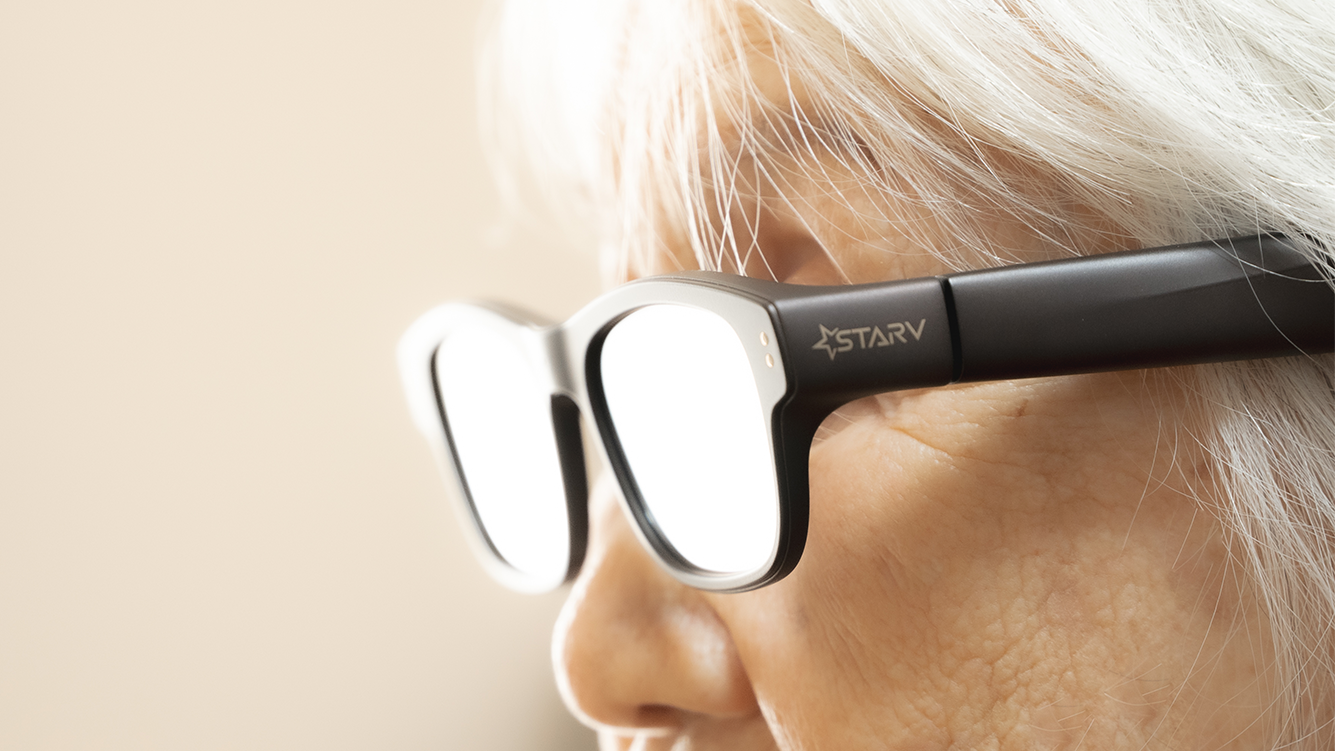
Smart glasses are evolving beyond novelty, with recent testing revealing practical applications for professional use. The StarV Air2, developed by Meizu, has demonstrated unexpected utility in business settings despite its lightweight design.
Weighing just 44 grams, the device incorporates voice recognition and AI-powered summarization features that proved valuable during field testing. Users reported that saying “Xiao Xi Xiao Xi, help me record” activates quick note-taking functionality, with voice memos automatically converted to text and stored locally.
The glasses support real-time translation across 13 languages, though display is limited to text output. Additional capabilities include meeting assistance through double-tap power button activation for recording, with subsequent transcription and summary generation available in both Chinese and English.
Beyond core productivity tools, the StarV Air2 integrates with mobile calendars for schedule reminders and offers flight tracking alerts. It also provides notifications from ride-hailing and food delivery services including Didi, Meituan, and Gaode Maps.
Design elements focus on extended wear comfort, featuring a titanium hinge system and contoured sea gull-shaped frames. Pressure on the nose bridge remains under 0.2 Newtons, while temple pressure measures approximately 1 Newton, according to manufacturer specifications.
Audio performance benefits from a custom acoustic chamber designed for far-field noise reduction, aiming to deliver immersive sound without leakage. The dual-eye display is intended to reduce visual fatigue compared to single-eye alternatives.
While the AI functionality relies solely on third-party large language models without proprietary enhancements, the combination of portability and core features positions the StarV Air2 as a potential tool for professionals seeking hands-free information capture during travel or meetings.
These characteristics suggest a shift in perception for augmented reality eyewear, moving from experimental gadgets toward practical workplace accessories, particularly for users prioritizing discretion and ease of use over immersive mixed reality experiences.
