
Sudan’s Darfur Region Faces Escalating Violence as RSF Accused of Brutality in El-Fasher
Thousands are fleeing the city of El-Fasher in Sudan’s Darfur region following its capture by the Rapid Support Forces (RSF), with harrowing accounts emerging of torture, murder, and widespread violence against civilians.
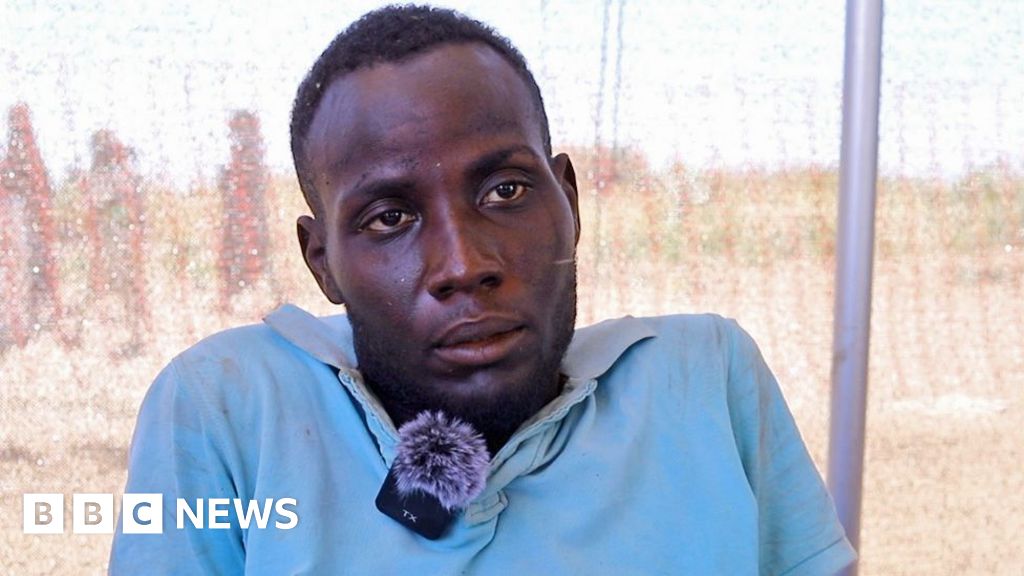
Ezzeldin Hassan Musa, who recently escaped El-Fasher, described being beaten with sticks by RSF fighters while attempting to flee, stating, “The suffering we encountered on the way was unimaginable… We saw people murdered in front of us.” He is now among approximately 5,000 people who have reached the town of Tawila, seeking relative safety. Yesterday, RSF leader Gen Mohamed Hamdan Dagalo admitted to “violations” in El-Fasher and pledged an investigation, with a senior UN official reporting the arrest of some suspects. This latest surge in violence threatens to exacerbate the already dire humanitarian crisis in Darfur, a region long plagued by conflict.
Ahmed Ismail Ibrahim, also now in Tawila, recounted a harrowing experience where four men traveling with him were killed by RSF fighters. “They killed them in front of us. Beat them and killed them,” he said, adding that he was shot three times. Many fleeing men are being specifically targeted by the RSF, suspected of being soldiers. The journey to Tawila, roughly 50 miles from El-Fasher, is often made on foot, with escapees reporting theft of belongings and days without food. For more information on the ongoing conflict, see the United Nations Sudan page.
Medical professionals working in Tawila are overwhelmed by the influx of wounded and traumatized civilians. Alfadil Dukhan, working with Médecins Sans Frontières (MSF), reported that around 500 new arrivals require urgent medical treatment, including many with severe injuries and amputations. Aid agencies like Solidarités International are expressing concern over the relatively low number of people reaching safe havens, suggesting many remain stranded and vulnerable. Yusra Ibrahim Mohamed, who fled after her husband, a soldier, was killed, described witnessing dead bodies in the streets and the constant threat of violence.
Officials are urging for the securing of public roads to allow for safe passage and the delivery of humanitarian aid to those still trapped, as the situation remains critical for those left behind.
