

The Swiss Federal Council announced today that it will propose lifting the mandatory retirement age of 70 for the Old-Age and Survivors’ Insurance (AVS) system, a move that could reshape pension policy amid demographic pressures. The plan, expected to be formally introduced in the coming months, follows years of debate over sustainability in the country’s social security framework.
Swiss Government Targets AVS Reform to Address Aging Population
The Swiss Federal Council, the country’s seven-member executive body, has signaled its intention to eliminate the current maximum retirement age of 70 for the AVS, the cornerstone of Switzerland’s public pension system. While no official proposal has yet been published, sources close to the government indicate that the change would be part of a broader pension reform package aimed at ensuring the financial viability of the AVS as the population ages and birth rates decline.
This shift would mark a significant departure from the status quo, where the AVS system has long operated under a fixed retirement age. The move comes after years of public resistance to earlier pension reforms, including a 2017 referendum in which voters rejected a proposal to raise the retirement age to 65 for women and 66 for men. The Federal Council’s latest proposal appears to be an attempt to address the system’s long-term funding gap without triggering another public backlash.
Financial Pressures Drive the Push for Reform
Switzerland’s pension system faces mounting financial strain due to demographic trends. According to recent data from Piguet Galland, a leading Swiss law firm specializing in pension and social security law, the maximum annual AVS pension for a single person is set to rise to CHF 31,850 in 2024—a figure that reflects the system’s attempt to adjust benefits in the face of rising life expectancy. However, these adjustments are not enough to close the growing funding gap, which experts warn could threaten the sustainability of the AVS in the coming decades.
The Federal Council’s proposal to remove the age cap for AVS contributions could allow workers to remain in the system longer, thereby increasing the revenue base. This would be particularly relevant in sectors where older workers remain productive, such as skilled trades, healthcare, and agriculture. However, the move also raises questions about whether it would disproportionately affect certain industries or demographic groups.
In its 2024 analysis, Piguet Galland highlighted that the AVS system’s financial health is closely tied to the labor participation rates of older workers. By removing the age limit, the government aims to incentivize continued employment while also ensuring that contributions are collected for as long as possible. The exact mechanism of how this would work—whether through automatic extensions or voluntary participation—remains unclear and is expected to be detailed in the forthcoming reform package.
Public and Political Reactions: A Delicate Balance
The Federal Council’s decision to revisit pension reform so soon after the 2017 referendum suggests a cautious approach, one that avoids direct confrontation with voters while still addressing structural issues. However, the proposal is likely to face scrutiny from labor unions, political parties, and advocacy groups. The Swiss Trade Union Federation (SGB) and other labor organizations have historically opposed increases in the retirement age, arguing that they disproportionately affect lower-income workers who may not have the financial flexibility to remain in the workforce longer.
Politically, the Federal Council’s move could also test the cohesion of Switzerland’s multi-party system. The center-right Swiss People’s Party (SVP) has long advocated for pension reforms to reduce the burden on taxpayers, while the center-left Social Democratic Party (SP) has been more cautious, fearing that any changes could erode public trust in the AVS. The Federal Council’s proposal may force these factions to find common ground—or risk another contentious public vote.
What remains uncertain is whether the Federal Council will pair this reform with additional measures, such as adjustments to benefit levels or contribution rates. Earlier attempts at reform have failed in part because they were seen as too narrowly focused on cutting costs without addressing broader economic inequalities. If the current proposal lacks complementary policies, it could face the same fate as its predecessors.
What Comes Next: Timeline and Uncertainties
While the Federal Council has not yet released a formal timeline, industry insiders expect the reform proposal to be introduced in the autumn of 2026, aligning with the government’s previous statements about revisiting pension policy. The next critical phase will be public consultation, during which stakeholders—including employers, employees, and pension funds—will have the opportunity to provide feedback. This process could take several months, with a potential referendum looming if the proposal is contentious.
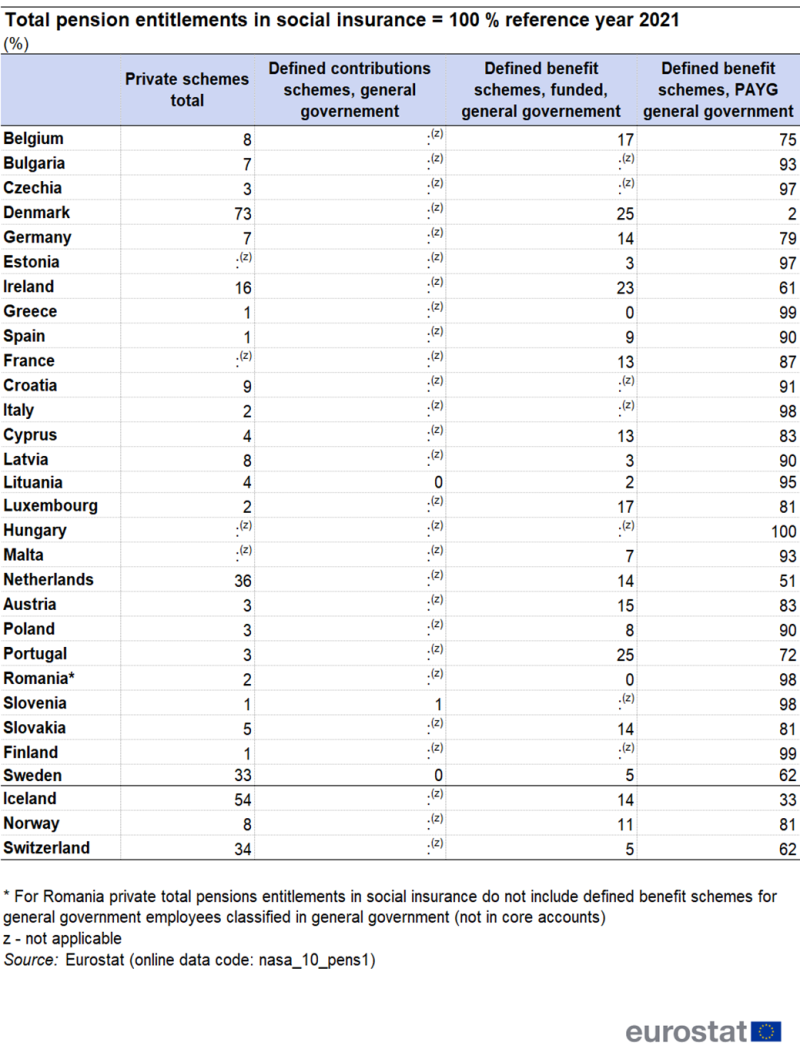
One of the biggest unknowns is how the proposal will be received by the Swiss electorate. The 2017 referendum demonstrated that even modest reforms can be met with strong resistance. If the Federal Council fails to secure broad support, the AVS could continue to operate under financial strain, forcing more drastic measures in the future. Alternatively, if the proposal is well-received, it could set a precedent for other European countries grappling with similar demographic challenges.
For now, the focus remains on the Federal Council’s ability to navigate this politically sensitive terrain. The stakes are high: the AVS is not just a financial system but a symbol of Switzerland’s social contract. Any reform must balance fiscal responsibility with the needs of an aging population—without alienating those who rely on the system the most.
Broader Implications for Switzerland’s Economic Future
The potential lifting of the AVS retirement age cap is more than a pension policy change—it reflects deeper economic and social shifts in Switzerland. With a median age of over 43, Switzerland has one of the oldest populations in the world. The labor force is shrinking, and immigration policies, while effective, cannot fully offset the demographic decline. By encouraging older workers to stay in the workforce, the Federal Council is attempting to mitigate these trends while also ensuring that the AVS remains solvent.
However, the proposal also raises questions about intergenerational equity. Younger workers may bear a disproportionate burden if the reform leads to higher contribution rates or reduced benefits. Meanwhile, older workers in physically demanding jobs may struggle to remain employed beyond traditional retirement ages. The Federal Council’s challenge will be to design a system that is fair, sustainable, and politically viable—a task that has eluded Swiss policymakers for years.
As the debate unfolds, one thing is clear: Switzerland’s pension system is at a crossroads. The outcome of this reform effort could determine whether the AVS remains a model of social security—or whether it becomes a cautionary tale about the challenges of an aging society.
