
Beijing has condemned Taiwanese President lai Ching-te’s support for closer ties with Japan, signaling a further deterioration in cross-strait relations [[1]].The criticism follows a recent uptick in tensions stemming from Japan’s response to the Fukushima wastewater release and commentary suggesting potential Japanese military intervention in a conflict involving Taiwan [[2]], [[3]]. This latest exchange underscores the delicate balance of power in the Indo-Pacific and the potential for regional instability.
Rising Tensions as Taiwan Leader’s Stance on Japan Draws Criticism from Beijing
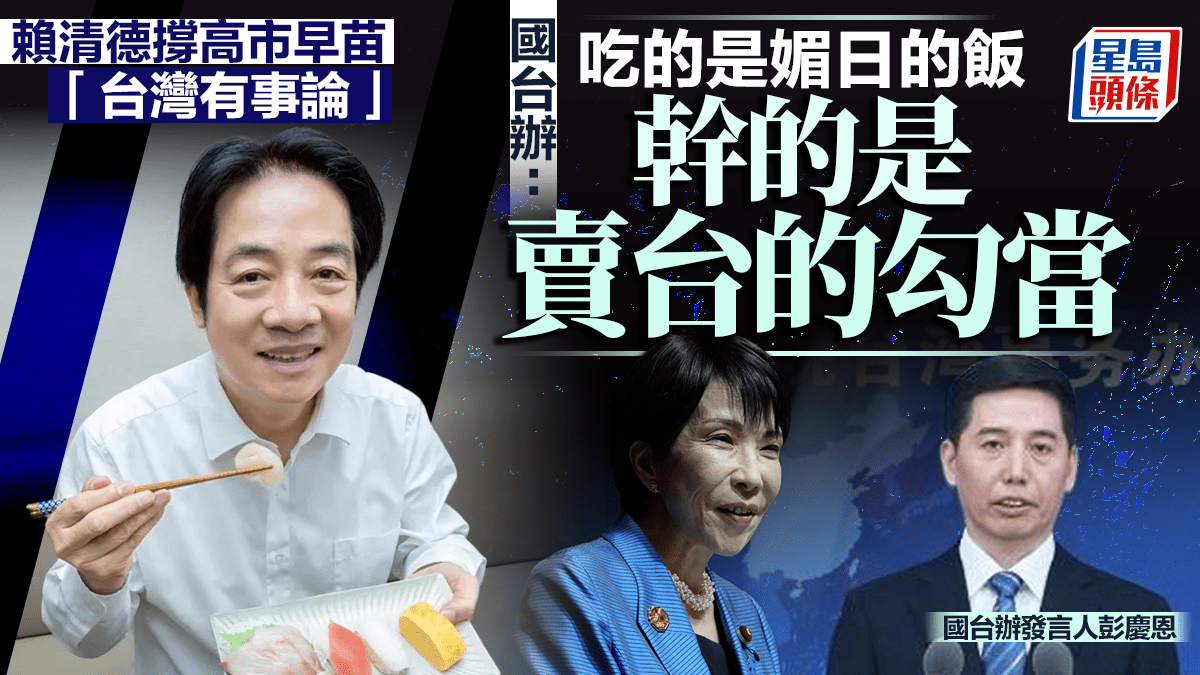
Beijing has sharply criticized Taiwan’s President Lai Ching-te for his support of Taichung City’s position on maintaining peace and stability in the Indo-Pacific region, accusing him of “sucking up to Japan” and “selling out Taiwan.” The escalating rhetoric comes amid already strained cross-strait relations and heightened regional geopolitical concerns.
The Taiwan Affairs Office (TAO) of the Chinese central government issued a statement condemning Lai’s remarks, calling them “ugly and without a bottom line.” The TAO’s criticism centers on Lai’s backing of Taichung’s stance, which Beijing views as a move to align Taiwan more closely with Japan.
The dispute also follows China’s recent decision to suspend imports of all seafood products from Japan in response to the release of treated wastewater from the Fukushima Daiichi Nuclear Power Plant. This move has prompted other nations to seek alternative sources, with India’s seafood industry poised to potentially fill the gap in the market.
According to reports, Japan’s fisheries industry has been proactively preparing for potential disruptions to trade with China, diversifying its markets and reducing its reliance on Chinese demand. This “ahead-of-time deployment” suggests a degree of preparedness for the current situation.
Meanwhile, the suspension of Japanese seafood imports by China has created an opportunity for India to increase its exports. The development underscores growing regional economic competition and the potential for shifts in trade dynamics.
The TAO further criticized the Taiwanese government’s decision to lift restrictions on food imports from Japan, labeling the move as further evidence of its willingness to appease Tokyo. Officials stated that this action “fully exposes its ugly face of pandering to Japan without any bottom line.”
The exchange of criticisms highlights the complex interplay between Taiwan, China, and Japan, and the potential for further escalation in the region. The announcement could influence future diplomatic talks and further complicate cross-strait relations.
