

Precision Oncology: Is Targeted Therapy a True Revolution in Cancer Treatment?
For decades, the primary weapon against cancer was a broad-spectrum approach designed to eliminate rapidly dividing cells. However, a significant shift is occurring in oncology with the rise of targeted therapies, moving the medical community away from a “one-size-fits-all” model and toward the era of personalized medicine. This evolution in treatment underscores the growing importance of genomic medicine in improving patient outcomes.
To understand the impact of targeted therapy, it is first necessary to examine the mechanism of traditional chemotherapy. Chemotherapy operates by attacking cells that divide quickly. Because cancer cells typically divide much faster than most healthy cells, they are the primary targets. However, this process is non-selective; it also destroys healthy cells that naturally divide rapidly, such as those in the bone marrow, digestive tract, and hair follicles. This lack of precision is what leads to the systemic side effects commonly associated with the treatment, including nausea and hair loss.
A More Precise Approach to Treatment
Targeted therapies represent a departure from this systemic approach. Rather than attacking all fast-growing cells, these treatments are engineered to home in on specific proteins or genetic mutations that act as “switches,” allowing cancer cells to grow, divide, and spread. By blocking these specific molecular targets, the therapy aims to halt the progression of the tumor although leaving healthy cells largely untouched.
This precision potentially reduces the severity of side effects and increases the efficacy of the treatment for patients whose tumors possess the specific markers the drug is designed to attack.
The Role of Molecular Profiling
Because targeted therapies are designed for specific genetic signatures, they cannot be prescribed to every patient. The effectiveness of these drugs depends entirely on the biological makeup of the individual tumor. The process begins with molecular profiling—using biopsies and genetic tests to identify the specific mutations driving the cancer.
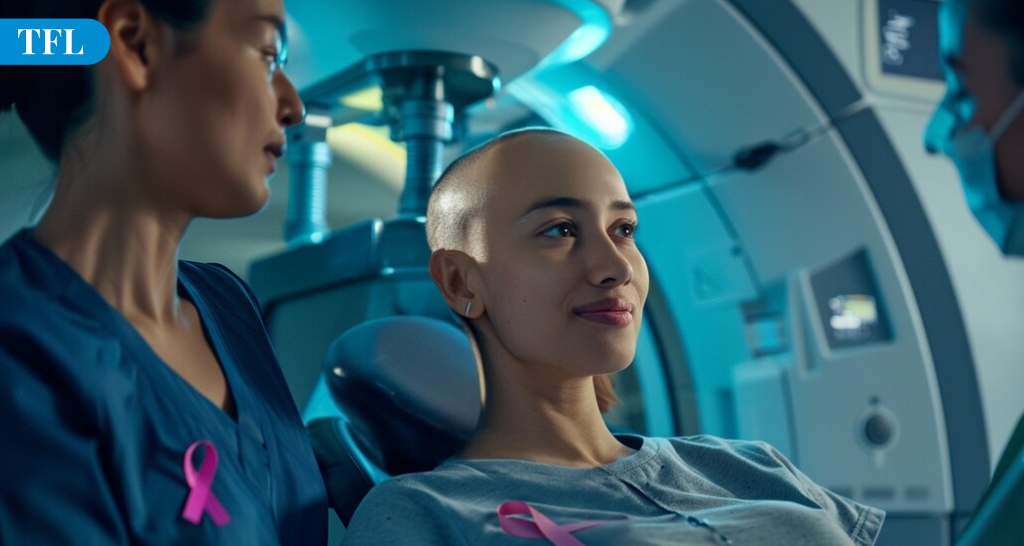
This diagnostic step is critical; it ensures that the therapy is matched to the specific characteristics of the patient’s disease, effectively tailoring the medical intervention to the individual’s unique genetic profile.
Limitations and the Challenge of Resistance
Despite the promise of this technology, experts note that targeted therapy is not a universal miracle cure. Its success is contingent upon the presence of the correct molecular target, meaning it is only an option for a subset of patients.
cancer is a dynamic disease. Over time, tumors can evolve and develop resistance to targeted drugs, finding new biological pathways to continue growing despite the treatment. This ongoing struggle between drug development and cellular adaptation highlights the complexities of treating malignant diseases.
Understanding these distinctions is critical for patients navigating their treatment options with oncology teams. While not a total replacement for traditional methods, the integration of targeted therapies marks a fundamental step toward a more precise and individualized approach to cancer care.
