
Tensions Escalate in the Strait of Hormuz Amid Global Diplomatic Maneuvers
The Strait of Hormuz has become the center of a volatile geopolitical standoff as military interceptions, diplomatic warnings, and strategic vetoes collide, threatening one of the world’s most critical maritime chokepoints. The escalating friction underscores the fragile balance of power in the region and the high stakes of global energy security.
In a significant escalation, U.S. Forces recently intercepted a vessel flying the Iranian flag within the Strait of Hormuz. This military action comes as Iran has issued threats to obstruct navigation in the Red Sea, further complicating the security landscape for international shipping.
The diplomatic battle has extended to the United Nations, where China and Russia exercised their veto power to block a draft resolution aimed at reopening the Strait of Hormuz. This move highlights a deepening divide in how global powers approach the crisis. Despite these tensions, some reports indicate that ships continue to transit the strait, while India has increased its military presence in the area to monitor the volatility.
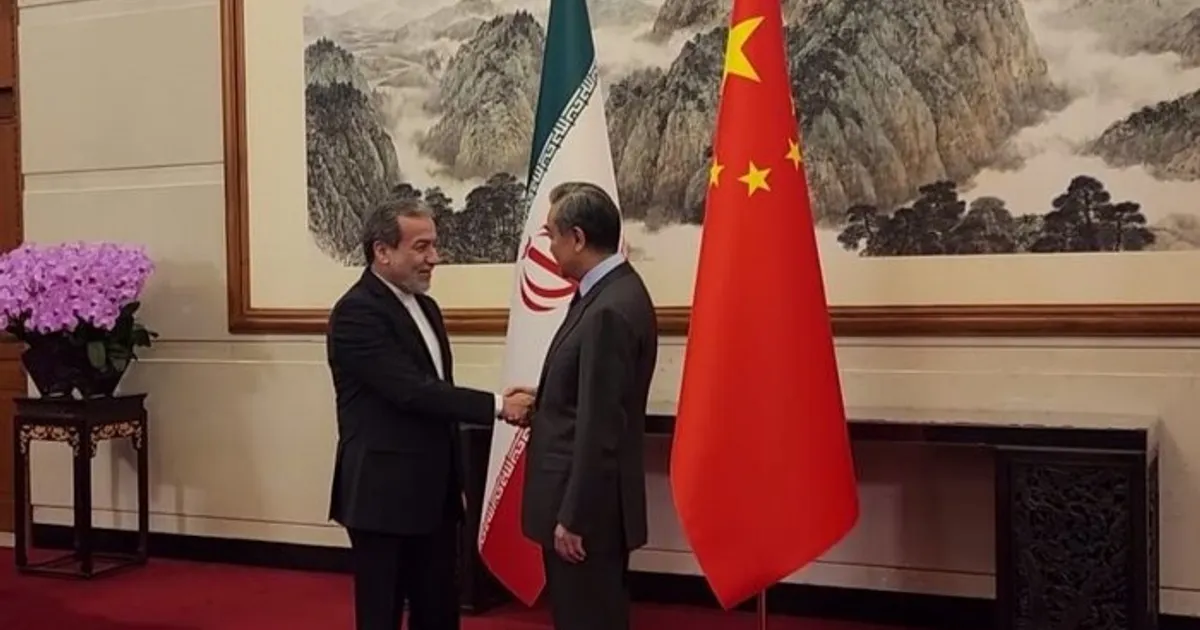
Amidst the friction, China has stepped in to urge Iran to ensure the freedom of navigation in the Strait of Hormuz, suggesting that a “window for peace” has begun to open. This diplomatic outreach coincides with a written message sent by UAE President Mohamed bin Zayed to the Chinese President, seeking a resolution in light of escalating Iranian attacks.
The situation is further complicated by rhetoric from the United States. Donald Trump stated that the Strait of Hormuz is being opened, while adding a stern warning that U.S. Relations will not return to previous levels with any nation that refused to provide assistance.
These developments reflect a complex web of alliances and confrontations, where the intersection of American-Israeli strategies and Iranian regional ambitions continues to place China at the heart of the diplomatic equation. The ongoing instability in these waters could have immediate repercussions for global trade and diplomatic relations across the Middle East.
For more on the current maritime situation, readers can find updates via China’s calls for maritime freedom and the latest on Iranian threats in the Red Sea.
