
Just days before New YearS Eve celebrations, authorities in southern France have suspended the harvesting and sale of popular shellfish from the Thau lagoon following a norovirus outbreak [[2]]. The temporary ban on oysters, mussels, and clams comes amid concerns over several cases of food poisoning linked to the region’s shellfish, with officials pointing to recent historic flooding in the Hérault department as a likely source of contamination.the Thau lagoon, a key Mediterranean aquaculture site supporting approximately 3,000 jobs, produces roughly 10% of France’s oysters [[3]].
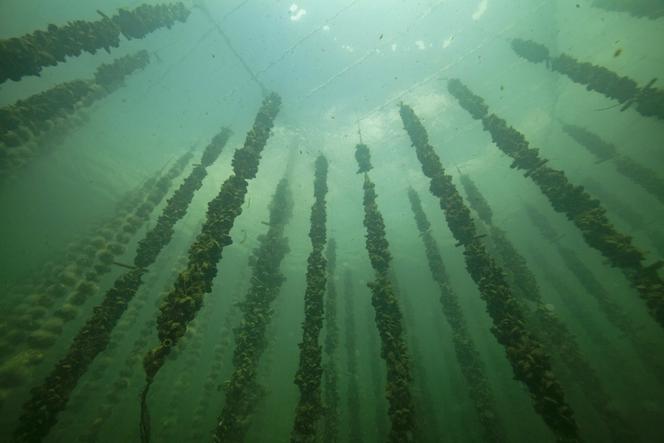
Authorities in southern France have suspended the harvesting and sale of oysters, mussels, and clams from the Thau lagoon, a major shellfish-producing area, just days before New Year’s Eve. The move comes after a surge in foodborne illnesses linked to the region’s shellfish.
The prefecture announced the precautionary measure Tuesday, December 30, following “several cases of collective food poisoning linked to the consumption of oysters from the Thau lagoon, and due to an epidemiological link, due to the presence of norovirus, between these grouped cases and the consumption of shellfish,” according to a statement.
Officials believe recent heavy rainfall in the Hérault department is likely to blame for the contamination. Exceptional flooding occurred in mid-December, potentially introducing the virus into the lagoon’s waters.
The Hérault River at Agde, a town a few miles from the Thau lagoon, reached its highest level since December 1997, peaking at 3.68 meters last Tuesday. This disruption to the local shellfish industry underscores the vulnerability of coastal ecosystems to extreme weather events.
“Shellfish harvested before December 19, 2025, or from other production areas, are not subject to this restriction,” the prefecture clarified. “This temporary measure will be lifted as soon as safety conditions are met for a reopening of the production areas.”
The Thau lagoon, a shallow inland sea spanning approximately 7,000 hectares near Sète and Agde, is a vital ecosystem and the largest shellfish farming area in the Mediterranean, accounting for 10% of France’s national oyster production. The industry supports roughly 3,000 jobs.
