
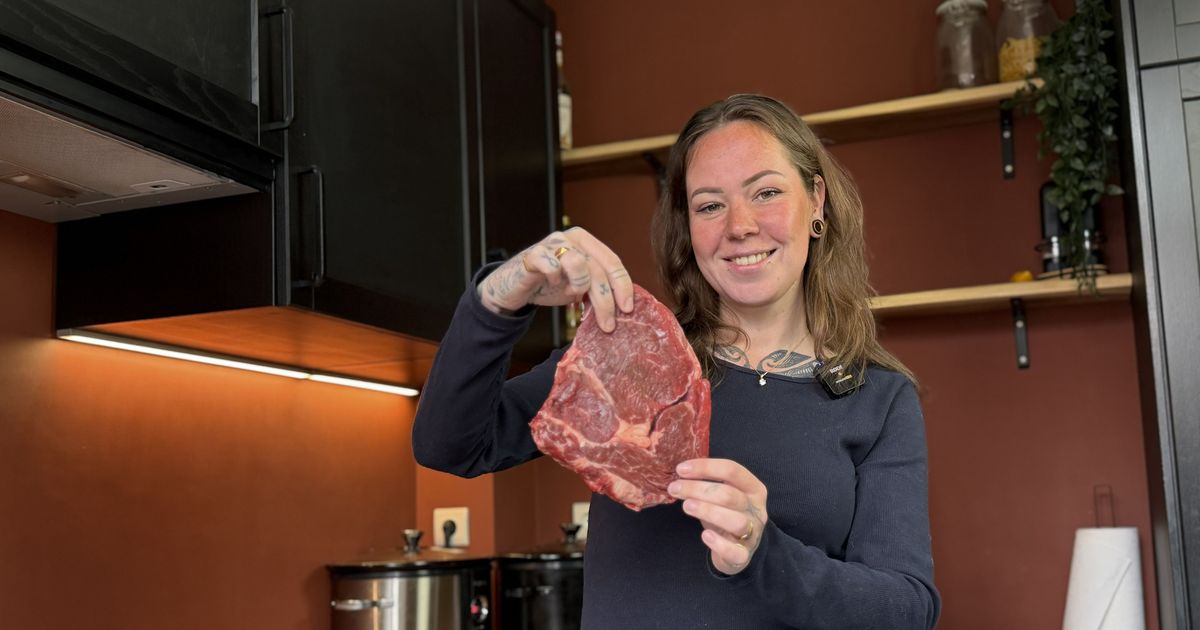
The rise of the carnivore diet—a restrictive eating pattern consisting exclusively of meat and animal products—is sparking significant concern among health professionals due to the substantial risks associated with the regimen.
The Appeal and the Risks of an All-Meat Diet
While some individuals report rapid weight loss and improved well-being, medical experts warn that eliminating all plant-based foods can lead to severe nutritional deficiencies. The diet’s total reliance on meat and dairy means followers miss out on essential fiber, vitamins, and minerals found in vegetables, fruits, and grains, which are critical for long-term metabolic health and digestive function.

For many, the allure of the diet lies in its simplicity and the promise of quick results. For example, one individual named Meriam shared her experience via andc.tv, claiming she lost 37 kilograms and consumes the equivalent of one cow per year. However, such extreme dietary shifts can place a heavy burden on the body’s internal organs.
Health Implications and Expert Warnings
Health analysts and nutritionists emphasize that a diet devoid of plants is not a sustainable or healthy way to live. The potential for increased cholesterol and the long-term impact on cardiovascular health are primary concerns for those following this trend. According to reports from EWmagazine.nl, the question of how healthy one can actually be while eating only meat and dairy remains a critical point of contention.
The trend highlights a growing tension between anecdotal success stories and established nutritional science. As more people adopt these restrictive patterns, the need for balanced, evidence-based dietary guidance becomes increasingly vital for public health.
Further analysis of these risks, as detailed by Rijnmond, underscores that the perceived benefits of the carnivore diet often come with significant, long-term health trade-offs.
