
Colossus Computer’s Success Rooted in Teamwork, Experts Say
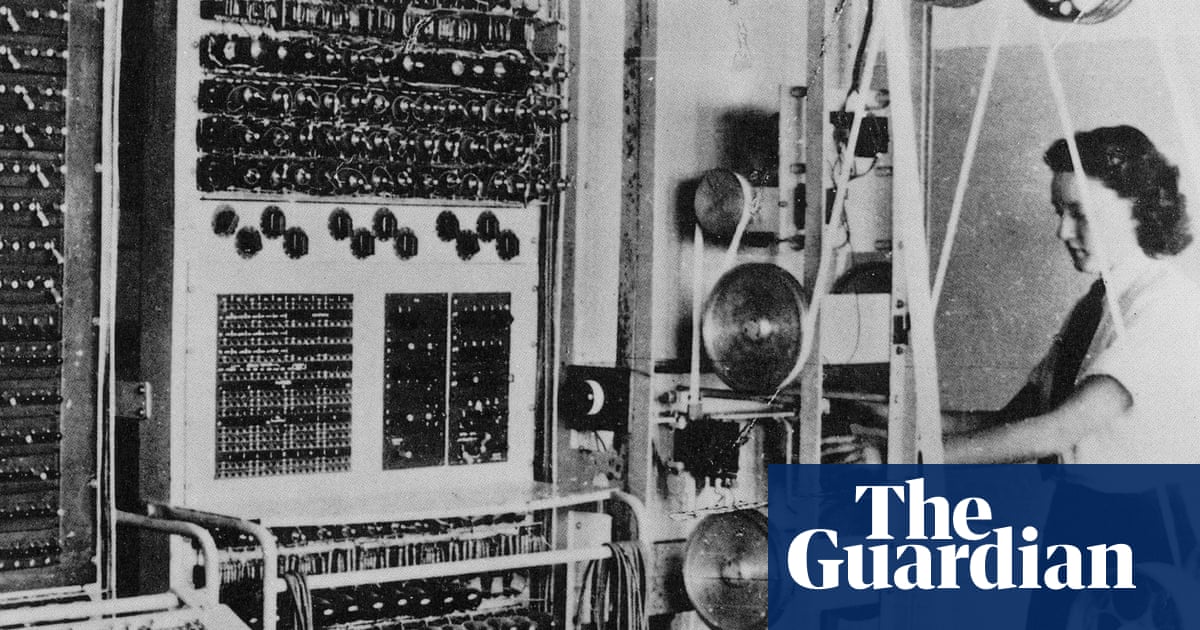
The groundbreaking success of Colossus, the world’s first digital programmable computer built during World War II, was a result of collaborative efforts between engineers and codebreakers, not solely the work of one individual, according to recent analysis.
Delivered to Bletchley Park in 1944, Colossus played a crucial role in deciphering encrypted German messages. While Tommy Flowers is widely recognized for building the machine, experts emphasize the significant contributions of codebreakers Jack Good and Donald Michie, who enhanced the computer’s capabilities and saw their developments incorporated into subsequent models. This collaborative spirit is highlighted by Flowers himself, who stressed, “It’s never just one person in one place” – teamwork and collaboration are key.
The enhancements made by Good and Michie demonstrate that simply introducing new technology does not guarantee a proportional increase in output; the impact depends heavily on the skills and adaptability of those utilizing it. This underscores the importance of broad-based, lifelong learning to prepare individuals for technologies they haven’t been specifically trained for. Understanding the history of computing can provide valuable insights into modern technological advancements; learn more about the Computer History Museum.
This revelation has implications for modern education and workforce development, suggesting a need to move beyond narrowly focused skills training and prioritize cultivating adaptability and a motivation for continuous learning. The ability to work with unfamiliar technologies is becoming increasingly vital in a rapidly evolving technological landscape, as discussed in recent reports on the future of work.
Officials at the University of Oxford have called for a national focus on lifelong learning to ensure a workforce capable of effectively utilizing future technologies.
Andrew Smith is right to applaud the work of Tommy Flowers for building Colossus, the world’s first digital programmable computer, delivered to Bletchley Park in 1944 (Move over, Alan Turing: meet the working-class hero of Bletchley Park you didn’t see in the movies, 12 October). The piece concludes with Flowers stressing: “It’s never just one person in one place” – teamwork and collaboration are key. This is even truer than the article might imply, when it says “subsequent models” of Colossus “included many new features and innovations”, as if these had been the result of Flowers working alone, just upgrading his design. Quite the contrary.
It is well documented (for example, in the 2006 book Colossus by B Jack Copeland and others) that the Bletchley Park codebreakers Jack Good and Donald Michie not only utilised Colossus to help break the codes, they enhanced the computer; it was these developments that were so successfully incorporated by Flowers in subsequent machines.
This was teamwork between Flowers the engineer and the codebreakers, who came from a range of disciplines, from mathematics to the humanities. Hence the need to teach a whole range of subject areas, rather than what might appear the most useful.
But this goes far beyond the importance of teamwork. It’s a dramatic demonstration that it’s quite wrong to think that a new machine X will increase output by Y. The actual impact will depend on those working on the new machine. Hence the need to go beyond just training for today’s skills. We need people with the capabilities to work with new technologies they have not come across, let alone been “skilled” for, and the motivation to put those capabilities to good effect. For this, we need broad-based, lifelong learning as a permanent national necessity.
Prof Jonathan Michie
University of Oxford
