
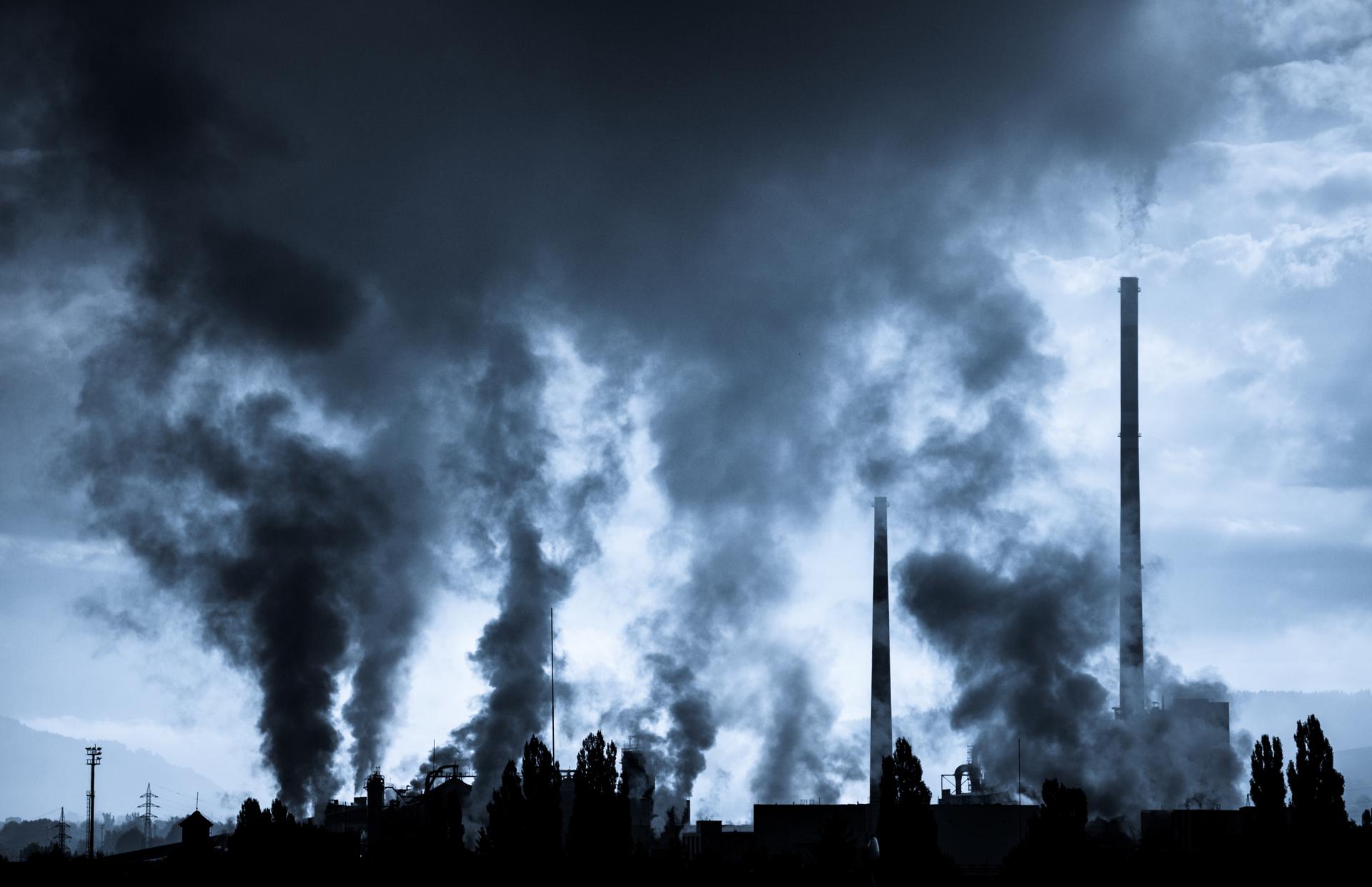
Carbon dioxide levels in Earth’s atmosphere have reached a concentration not seen in approximately three million years, according to recent climate research.
The global average of carbon dioxide has climbed to 412 parts per million, a level last observed during the Pliocene epoch. At that time, temperatures were significantly higher and sea levels were substantially elevated compared to today.
Scientists from the Potsdam Institute for Climate Impact Research in Germany conducted the study using a recent climate model that analyzed marine sediments and ice core samples. Their findings indicate that current CO₂ concentrations exceed 400 ppm for the first time since the mid-Pliocene.
Unlike localized pollutants, carbon dioxide mixes globally in the atmosphere, making its reduction a complex challenge requiring coordinated international action. Researchers emphasize that without large-scale removal of CO₂ from the atmosphere, significant climate impacts are inevitable.
The study, published in the journal Science, highlights that human activities are the primary driver of the current rise in atmospheric carbon dioxide, reversing a natural decline that had persisted for millennia.
As CO₂ levels continue to rise, scientists warn that the planet is entering uncharted territory with potential long-term consequences for global climate systems, ecosystems, and sea levels.
