
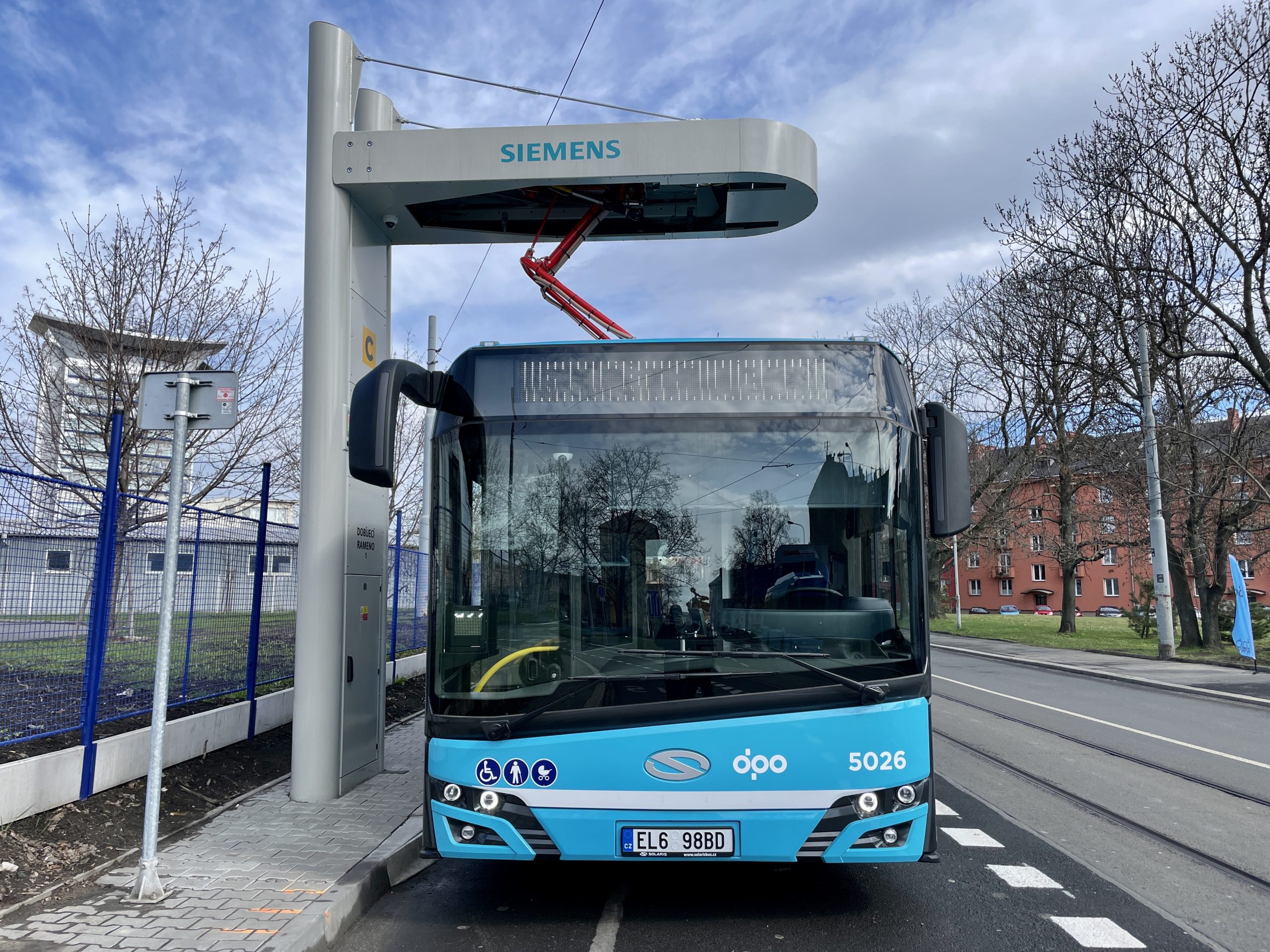
Public transit buses are evolving into sophisticated technological systems, prompting a major transformation for transportation operators.
According to reports from Zdopravy.cz, the shift reflects broader trends in urban mobility, where vehicles are no longer just modes of transport but integrated platforms equipped with advanced sensors, connectivity features, and data-processing capabilities.
Transportation companies now face the challenge of upgrading fleets and infrastructure to support these complex systems, which include real-time monitoring, predictive maintenance tools, and passenger information networks.
The change requires significant investment in both hardware and software, as well as new training programs for maintenance and operations staff to handle the increased technical demands.
Industry observers note that this evolution aligns with global efforts to modernize public transit through digital innovation, aiming to improve efficiency, reliability, and user experience.
As buses become more like mobile data hubs, transit agencies must adapt their operational models to manage the growing volume of information generated onboard and ensure seamless integration with city-wide smart transportation networks.
The transformation underscores how traditional infrastructure sectors are undergoing deep technological change, driven by the need for smarter, more responsive urban services.
