
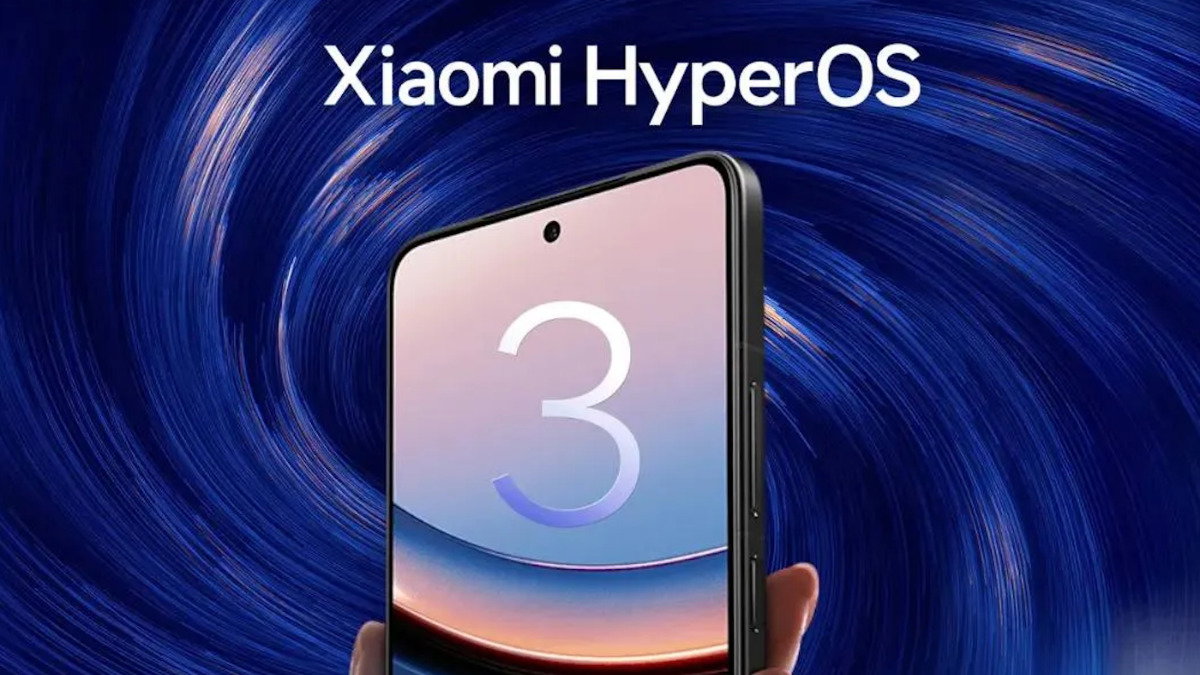
Xiaomi faces growing criticism from users over display changes in HyperOS 3, with reports indicating the update has introduced screen-related issues that are causing concern among device owners. The rollout of the latest version of Xiaomi’s custom Android skin has drawn attention not only for its new features but also for unintended side effects affecting usability. According to early reports, the changes to the display rendering in HyperOS 3 have led to complaints about color accuracy, brightness inconsistencies, and unexpected screen behavior on certain models. Users have taken to forums and social media to highlight these problems, particularly noting that the visual experience no longer matches expectations set by previous versions of the software. While Xiaomi has acknowledged shortcomings in HyperOS, the company has not yet provided a timeline for fixes on affected devices. In a recent statement, the manufacturer admitted to existing flaws in the operating system but confirmed that solutions are still in development for specific smartphone models. This lack of immediate resolution has heightened frustration among users who rely on consistent performance for daily tasks. The issues come amid broader updates to Xiaomi’s software roadmap. HyperOS 3 is currently being rolled out to compatible devices in select markets, including Brazil, where the company has published a detailed timeline for supported handsets. Meanwhile, development continues on HyperOS 4, which is expected to bring a redesigned interface and potential integration of Leica-branded photography themes — a move that could signal Xiaomi’s ongoing efforts to differentiate its user experience through premium imaging partnerships. In parallel, Xiaomi has announced that its next-generation interface, based on Android 16, will incorporate artificial intelligence across approximately 70 smartphone models. This update aims to enhance system responsiveness, contextual awareness, and on-device processing capabilities, aligning with industry trends toward deeper AI integration in mobile operating systems. Despite these forward-looking developments, the current focus remains on addressing user concerns surrounding HyperOS 3. Until patches are released, owners of affected devices are advised to monitor official channels for updates and consider temporary workarounds where available. The situation underscores the challenges manufacturers face when balancing innovation with stability in complex software ecosystems.
Xiaomi HyperOS Updates: New Features, Known Issues, and Android 16 AI
11
