

The three men convicted of murdering child killer Kyle Bevan at HMP Wakefield were each handed whole-life prison sentences on Friday, June 19, 2026, ensuring they will never be released. Mark Fellows, Lee Newell, and David Taylor—already serving life terms for other crimes—were found guilty of stabbing Bevan to death in his cell last November, with prosecutors describing a brutal attack that mimicked a previous murder committed by Newell.
Who Killed Kyle Bevan and Why Their Sentences Are Unprecedented
Kyle Bevan, 33, was serving a life sentence for the 2020 murder of his partner’s two-year-old daughter, Lola James, in Pembrokeshire. His death at HMP Wakefield last November—where he was stabbed and left to bleed out in his bed—sparked outrage. The attack bore a “chilling similarity” to Newell’s 2013 murder of another prisoner, who had also been left in bed after strangulation, according to court testimony reported by the BBC. Fellows, dubbed “the Wakefield Dexter” by authorities, had already been serving a whole-life term for two gangland killings, while Taylor was on remand for the murder of a vulnerable woman, Alisha Apostoloff-Boyarin, whose body was never found.
The judge, Mrs Justice McGowan, imposed “new and separate” whole-life orders on Newell and Fellows for Bevan’s murder—stacking additional life sentences onto their existing ones. Taylor received a whole-life term specifically for Bevan’s death, on top of a 20-year minimum for Apostoloff-Boyarin’s murder and a 30-year sentence for attempting to stab a police officer in an interview room. “I’ve never had to sentence someone for a third murder, and in two of these defendants’ cases that’s what just happened,” McGowan said, underscoring the gravity of the crime as ITVX reported.
The Brutal Attack: How CCTV and Prison Records Reconstructed the Crime
CCTV footage from HMP Wakefield captured Fellows, Newell, and Taylor together shortly before Bevan’s death, raising questions about whether the attack was premeditated. Taylor, who had boasted about crafting makeshift weapons “out of all sorts,” was later found with improvised tools hidden in a bottle of chilli sauce in his cell—though none could be linked directly to the murder. Prison authorities had also raised alarms about Taylor potentially concealing a weapon in his body, though searches turned up nothing according to ITVX.
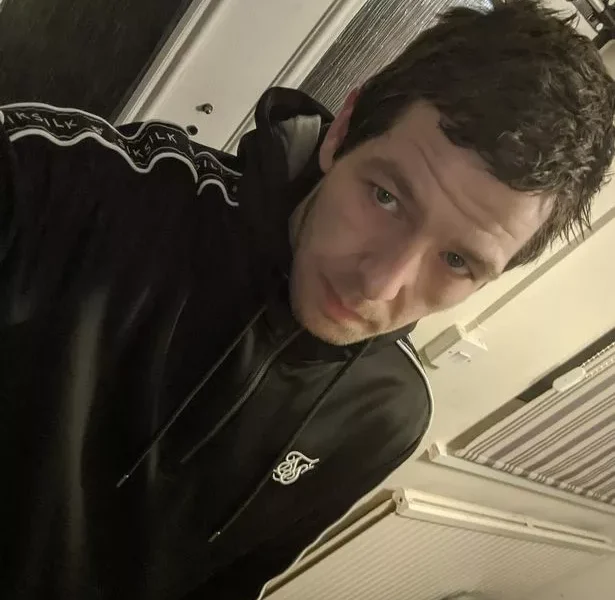
Newell’s criminal history dates back to 1989, when he was jailed for strangling a 50-year-old neighbor who refused to give him money. He later received a whole-life order in 2013 after strangling another prisoner—a child killer—and leaving him in bed, mirroring Bevan’s fate. Newell lost an eye in a 2014 prison yard attack and was awarded £85,000 in damages, though his violent record continued unabated. Fellows, meanwhile, had formally requested a transfer from Wakefield just months before Bevan’s murder, citing dissatisfaction with prison conditions—a move that may have contributed to the attack’s planning.
Why This Case Stands Out: The “Wakefield Dexter” and a Pattern of Prison Violence
Fellows’ nickname, “the Wakefield Dexter,” reflects his reputation as a methodical killer. His two previous murders—a 2015 shooting of crime figure Paul Massey and a 2018 killing of mob “fixer” John Kinsella—earned him a whole-life sentence in 2019. The fact that he, Newell, and Taylor were all serving life terms before Bevan’s murder makes their conviction for another killing particularly striking. “A chilling similarity to… the circumstances of Kyle Bevan’s death” was how the court described Newell’s 2013 crime, suggesting a deliberate replication of tactics as the BBC reported.
The case also highlights the dangers of high-security prisons, where violent inmates with long sentences often share cells. Bevan’s murder occurred in a facility housing some of the UK’s most dangerous offenders, raising questions about oversight and whether prison staff failed to detect signs of the attack. Taylor’s attempted stabbing of a police officer during an interview—where he “narrowly missed his heart”—further underscores the extreme risks posed by these men, who had already proven capable of extreme violence.
What Happens Next: Appeals, Public Outrage, and the Future of Prison Sentencing
The defendants have no prospect of release, but their convictions could face legal challenges. Newell and Fellows, already serving whole-life terms, now face additional life sentences for Bevan’s murder—a rare instance of a judge stacking multiple whole-life orders. Taylor’s case is particularly complex: his whole-life term for Bevan’s death sits alongside his 20-year minimum for Apostoloff-Boyarin’s murder and 30-year sentence for the officer’s attempted murder. Legal experts will watch to see if courts uphold the “new and separate” sentencing approach, which could set a precedent for future cases.
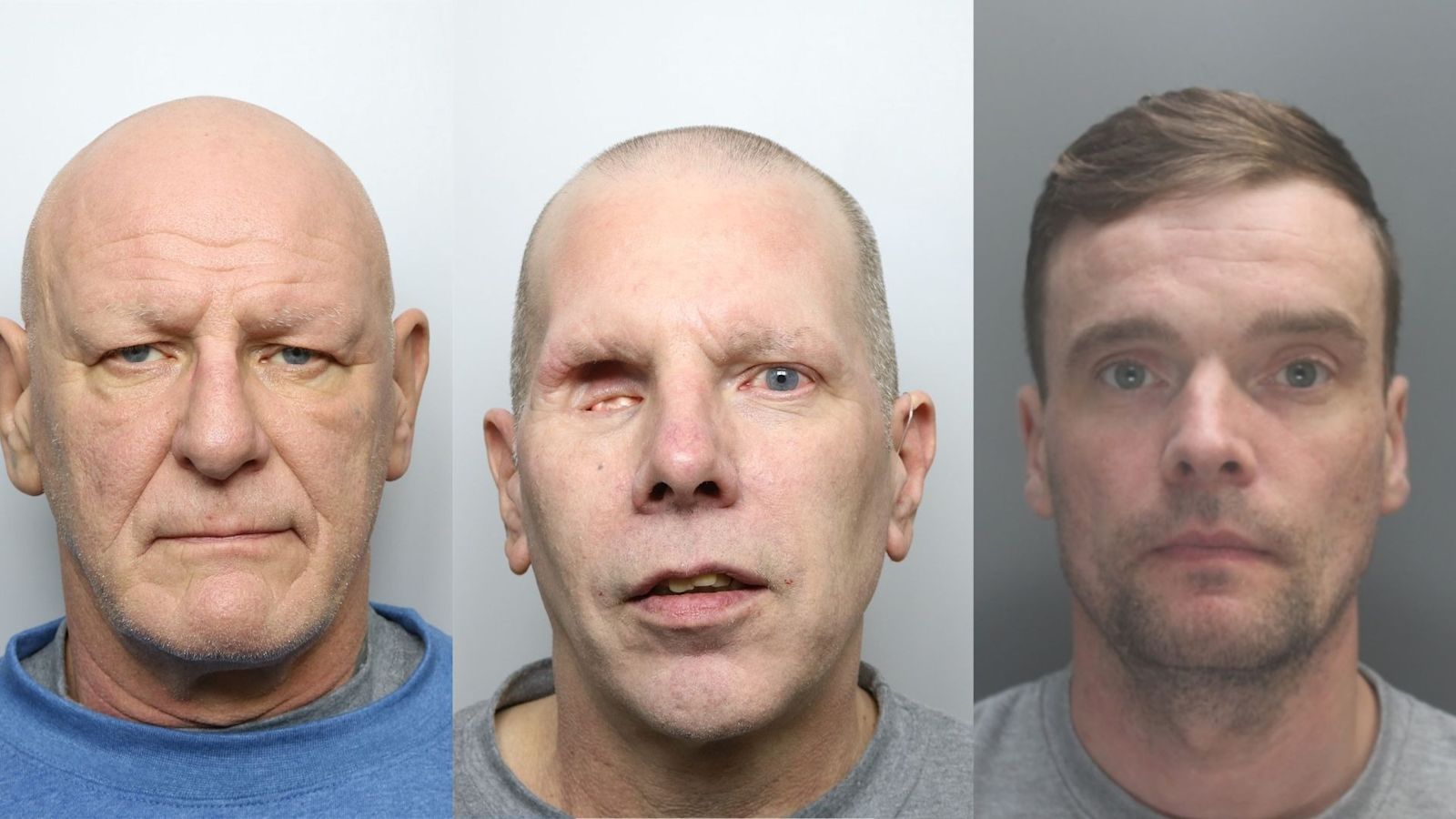
Public reaction has been swift. Bevan’s family, already devastated by his daughter’s murder, now faces the loss of another loved one to prison violence. The case has reignited debates about whole-life sentences, prison conditions, and whether such extreme punishments actually deter crime—or simply create a cycle of violence behind bars. With no end in sight for these men, the focus now shifts to whether the justice system can prevent similar tragedies in the future.
One question looms large: If men already serving life sentences can be convicted of additional murders, how much longer will the UK’s prison system be forced to house them? The answer may lie in the courts—and in whether society is willing to accept that some criminals, once convicted, can never be trusted again.
A Timeline: From Bevan’s Murder to the Sentencing Hearing
- November 2025: Kyle Bevan, 33, is stabbed to death in his cell at HMP Wakefield. He is left in bed to bleed out.
- December 2025: Police launch an investigation into the murder, focusing on three inmates: Mark Fellows, Lee Newell, and David Taylor.
- January 2026: CCTV footage and prison records link the three to Bevan’s death. Taylor is also charged with the murder of Alisha Apostoloff-Boyarin and the attempted murder of a police officer.
- March 2026: Taylor’s trial begins, with prosecutors revealing details of the prison attack and his boasts about crafting weapons.
- June 19, 2026: All three men are sentenced to whole-life orders for Bevan’s murder, with additional terms for Taylor’s other crimes.
The case remains open for appeals, but with no possibility of parole, the men’s sentences are effectively life without the chance of release—a rare and severe punishment even in the UK’s justice system.
Find more reporting in our News section.
