
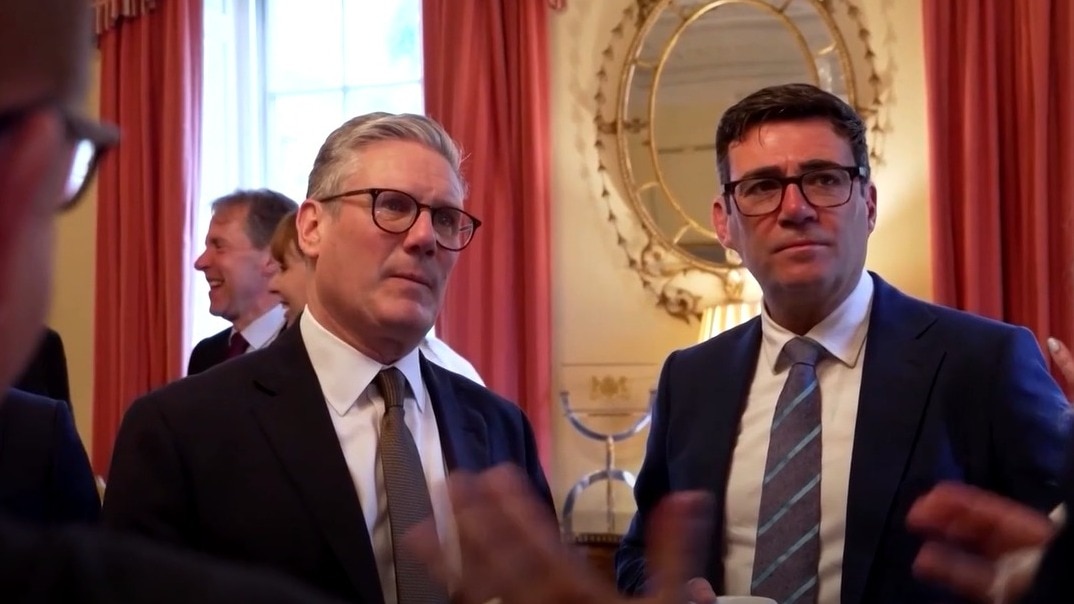
Greater Manchester Mayor Andy Burnham Wins Makerfield By-Election
Greater Manchester Mayor Andy Burnham won the Makerfield parliamentary by-election on Friday, June 19, 2026, capturing 54.8% of the vote. The victory, which secures Burnham a seat in the House of Commons, has triggered immediate speculation regarding the leadership of Prime Minister Keir Starmer amid declining poll numbers and internal party pressure.
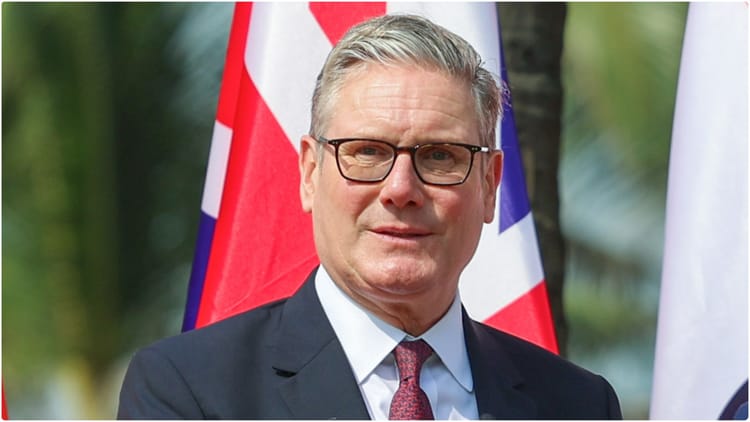
The Makerfield Election Results and Parliamentary Path
Andy Burnham’s return to the national stage follows a decisive victory in the Makerfield by-election. According to Aaj Tak, Burnham secured 54.8% of the vote, defeating the Reform UK candidate, who garnered 34.5%. The by-election was prompted by the resignation of Labour MP Josh Simons, a move explicitly intended to provide Burnham with the parliamentary seat necessary to challenge for the party leadership, as reported by Amar Ujala.
This political maneuver places Burnham—a former cabinet minister under Tony Blair and Gordon Brown—directly into the House of Commons. As noted by Jagran, the election was viewed by political observers not as a routine contest, but as a strategic step in a broader effort to contest the premiership. British parliamentary rules allow governing parties to change leaders mid-term without a general election, provided a challenger can secure the support of one-fifth of the parliamentary party, or 81 MPs.
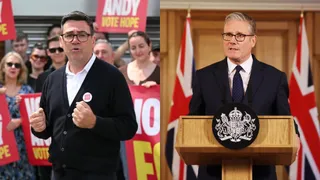
The institutional process for such a challenge is dictated by the Labour Party’s internal constitutional rules regarding leadership contests. Under these established protocols, if a sitting Prime Minister faces a formal challenge to their leadership, a nomination threshold must be met by the challenger. Once the required number of signatures from fellow Members of Parliament is verified, a ballot of the party membership or parliamentary group is initiated to determine the party’s direction. This mechanism is designed to allow the party to pivot when electoral performance or public support wanes significantly, though it inherently risks internal factionalism.
Challenges to Prime Minister Keir Starmer’s Leadership
Prime Minister Keir Starmer faces significant political headwinds as his administration struggles with economic growth and public service delivery. Vietnam.vn reports that the Labour Party has lost over 1,200 local council seats and control of the Welsh Parliament in recent cycles. These setbacks have fueled dissent, with approximately one-quarter of Labour MPs reportedly calling for Starmer’s resignation following poor results in local elections last month.
The broader significance of these losses cannot be understated in the context of the UK’s centralized political system. Local council results are frequently treated as a barometer for the national government’s popularity. When a governing party suffers systemic losses across regional councils and devolved legislatures, it often signals a disconnect between the national policy agenda and the immediate priorities of the electorate, such as local infrastructure, social care, and regional funding disparities.
Specific policy decisions have further complicated Starmer’s standing. Critics point to the appointment of Peter Mandelson as ambassador to the United States as a point of contention, citing Mandelson’s past association with Jeffrey Epstein. Internal frustration reached a notable peak in May when Health Secretary Wes Streeting resigned, publicly stating that the government suffered from a lack of vision, according to Amar Ujala. Streeting’s departure was particularly impactful given his role in overseeing the National Health Service (NHS), which remains the primary focus of public concern regarding government performance and service delivery standards.
Burnham’s Vision and the Political Landscape
Following his win, Burnham framed the result as a “turning point” for British politics. He argued that voters are seeking an alternative to the current polarization, advocating for a shift toward unity and increased power for northern regions that feel neglected by London. This focus on “devolution”—the transfer of power from the central government in Westminster to local authorities—has been a cornerstone of Burnham’s career as the Mayor of Greater Manchester. His supporters argue that this platform resonates with voters who feel that the traditional London-centric political establishment has failed to address regional inequalities.
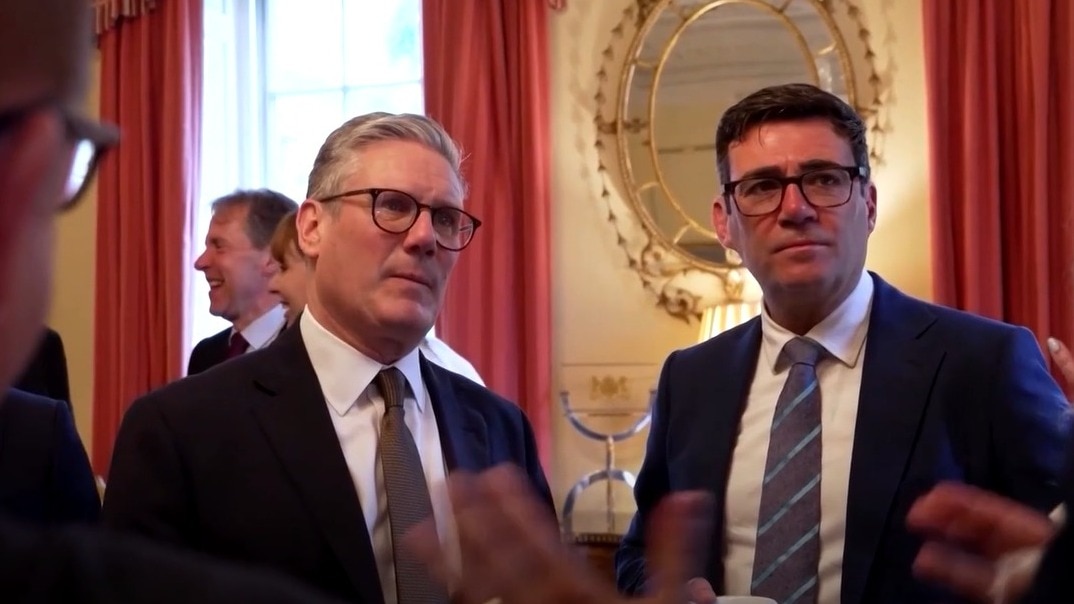
“This is a turning point. We must save the country from a politics that divides society.”
Andy Burnham, Greater Manchester Mayor, via Aaj Tak
While Burnham has confirmed his willingness to stand for the party leadership, his allies caution that the transition must be managed to avoid institutional chaos. Some reports suggest that efforts are underway to convince government ministers not to resign prematurely, allowing for a more orderly succession plan. The political stakes remain high; the Labour Party now faces a difficult contest to retain the Greater Manchester mayoral seat in an upcoming election scheduled for July 30, 2026. This secondary election serves as a crucial test for the party’s strength in its traditional heartlands, as the loss of such a prominent regional seat could further destabilize the party’s national standing and influence the ongoing leadership debate.
Find more reporting in our News section.
