
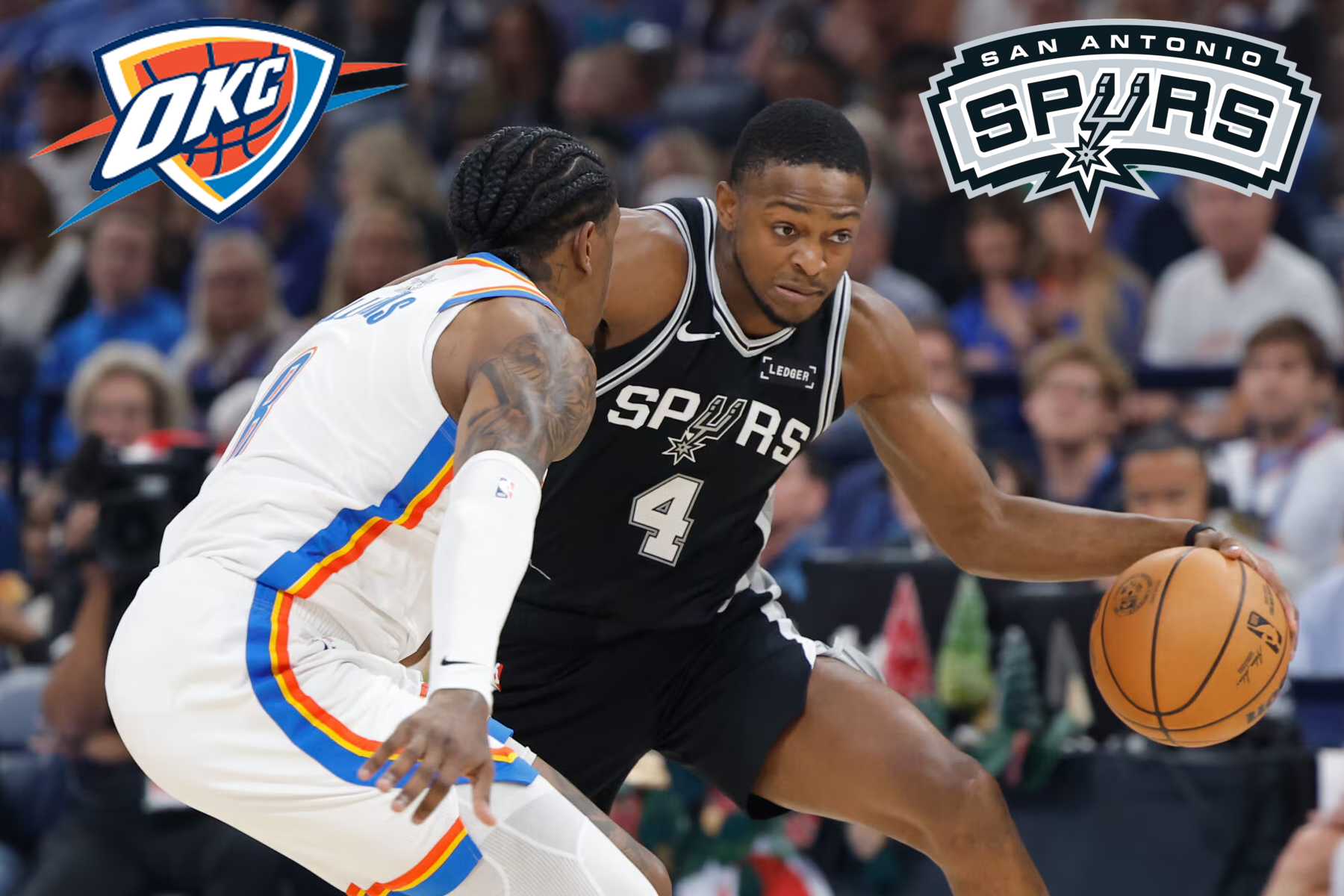
The Oklahoma City Thunder and San Antonio Spurs face off Monday night in Game 1 of the 2026 Western Conference Finals, marking the first NBA playoff series since 1998 where two teams with 62+ regular-season wins collide. The Spurs, led by Victor Wembanyama, enter with a 21.1-point average margin of victory in their last eight games, while the Thunder—undefeated in the postseason—boast a record 64-18 and depth that has carried them past two sweeps.
A Rivalry Renewed: Thunder vs. Spurs in the West’s Toughest Test
The 2026 NBA playoffs have delivered a Western Conference Finals matchup that hasn’t been seen in nearly three decades: two teams with elite regular-season records, dominant postseason runs, and a history of physical, high-scoring basketball. The Oklahoma City Thunder, seeded first in the West with a 64-18 record, will square off against the second-seeded San Antonio Spurs (62-20), who have already silenced critics about Victor Wembanyama’s impact. The Spurs’ 8-3 postseason record—including a 21.1-point average margin in their eight wins—contrasts with the Thunder’s flawless 8-0 start, but the Spurs’ late-season momentum and Wembanyama’s rapid development have reshaped the series’ narrative.
This is the first time since the 1998 Chicago Bulls-Jazz NBA Finals that two teams with 62+ wins have met in the playoffs, a stat underscored by the Spurs’ 4-1 regular-season series advantage over the Thunder. The Spurs’ ability to control tempo and limit second-chance opportunities—key to their 2026 resurgence—will clash with the Thunder’s relentless offensive firepower, led by back-to-back MVP Shai Gilgee (SGA), who has elevated his game to elite levels.
The Thunder’s Depth vs. the Spurs’ System
The Thunder’s most pressing question isn’t whether they can win—it’s whether their roster can stay sharp after a week-long break following their sweep of the Phoenix Suns. While the Thunder have thrived without Jalen Williams (sidelined since the second round with a calf injury), the return of the second-year guard—who averaged 18.3 points per game before his injury—could be the difference-maker. Williams’ ability to stretch the floor and defend multiple positions has been critical in past matchups with the Spurs, who have struggled to contain the Thunder’s three-point shooting (38.9% in the regular season).
Conversely, the Spurs’ success hinges on Wembanyama’s two-way dominance and the ability of head coach Gregg Popovich to adjust defenses in real time. The Spurs’ 2026 campaign has been defined by their ability to exploit mismatches, with Wembanyama averaging 28.7 points and 12.1 rebounds in the postseason. But the Thunder’s size—led by center Chet Holmgren (24.1 PPG, 10.3 RPG in the playoffs)—could force the Spurs into unfamiliar defensive schemes.
Key Factors That Will Decide the Series
1. The Thunder’s Post-Break Adjustment
The Thunder’s 8-0 postseason start included a week-long hiatus after their sweep of the Suns, a break that could either sharpen their focus or lead to rust. Their first two playoff series were against teams with sub-.500 records, but the Spurs—who have averaged 113.4 points per game in their last eight wins—present a far stiffer test. The Thunder’s bench, which has been a bright spot (led by Ajay Mitchell’s breakout play), will need to maintain its productivity against a Spurs defense that ranks among the league’s best at limiting second-chance points.
2. Wembanyama’s Versatility Under Pressure
Wembanyama’s growth this season has been nothing short of meteoric, but the Western Conference Finals will be his biggest test yet. His ability to guard multiple positions—including Holmgren—will be critical, as will his offensive efficiency against a Thunder team that thrives on switchable defenses. The Spurs’ success in the playoffs has often hinged on their ability to neutralize elite big men, but Wembanyama’s combination of size, mobility, and shooting (42.3% from three in 2026) makes him a unique challenge.
3. The Impact of Jalen Williams’ Return
Williams’ absence has forced the Thunder to lean on Mitchell and other role players, but his return could swing the momentum. In the regular season, Williams averaged 19.8 points and 5.2 assists against the Spurs, including a 30-point, 10-rebound performance in a key win. His defensive versatility and ability to create space for Gilgee and Holmgren could be the missing piece the Thunder need to close out the series.
4. Spurs’ Late-Season Momentum
The Spurs’ three losses in the postseason came against the Minnesota Timberwolves, but their last eight wins—including a 59-point blowout in Game 6 against the Wolves—have been dominant. Their ability to maintain this level of play while adjusting to the Thunder’s pace and athleticism will be crucial. The Spurs’ defensive intensity, particularly in transition, has been a hallmark of Popovich’s system, but the Thunder’s speed could exploit any lapses.
5. The MVP’s Two-Way Dominance
Gilgee’s back-to-back MVP season has been built on his ability to carry the Thunder’s offense while also contributing defensively. His 26.8 points, 7.2 rebounds, and 5.1 assists per game in the postseason have been elite, but the Spurs’ defense—ranked third in the league—will test his versatility. If Gilgee can replicate his playoff numbers while also limiting the Spurs’ transition attacks, the Thunder will have a significant edge.
What’s at Stake: A Series That Could Define the West
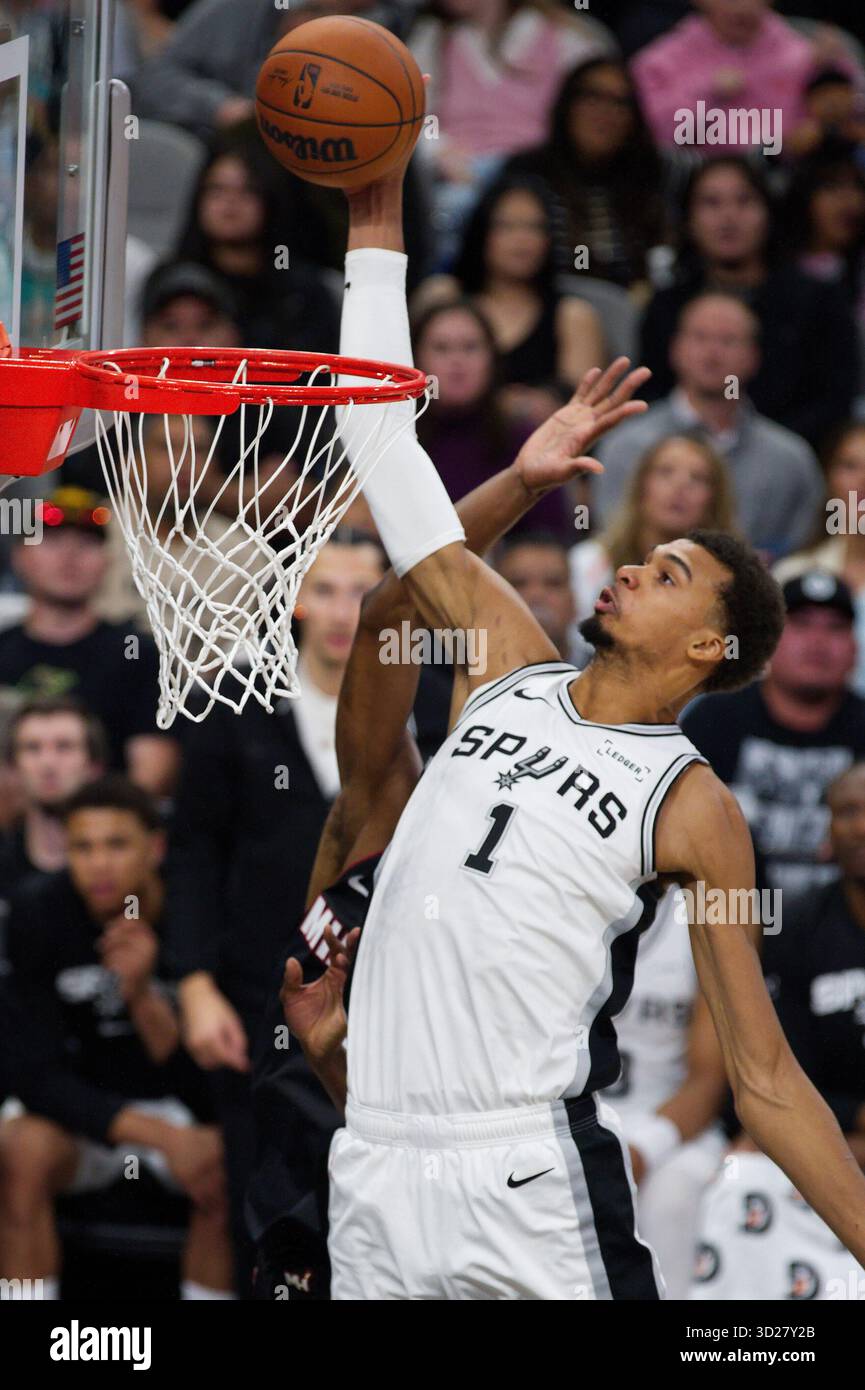
The Thunder and Spurs represent two different paths to NBA dominance: the Thunder’s youthful, high-octane attack versus the Spurs’ experience and system. The Thunder’s depth and Gilgee’s MVP-caliber play give them the home-court advantage, but the Spurs’ recent form and Wembanyama’s emergence make this a true coin flip.
Game 1 tips off Monday at 8:30 p.m. ET on NBC/Peacock, setting the stage for what could be the most physically and tactically engaging series of the 2026 playoffs. The winner will face the East’s best in the NBA Finals, but for now, the focus is on the West’s crown—and which team’s philosophy will prevail.
