
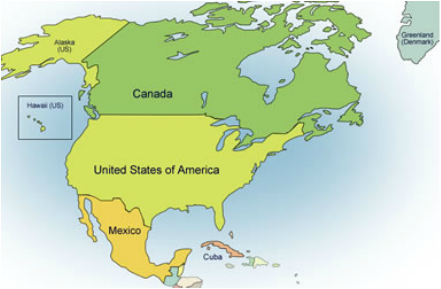
A Canadian passenger from the hantavirus-stricken cruise ship MV Hondius has tested positive for the virus, bringing Canada’s confirmed cases to 11—while three deaths linked to the outbreak have been reported. The individual, one of four Canadians isolating in British Columbia, developed mild symptoms after returning from Tenerife on May 10.
Canada’s First Confirmed Hantavirus Case Among Cruise Ship Returnees
The MV Hondius, a cruise ship that departed Argentina on April 1, became the epicenter of an Andes hantavirus outbreak after docking in Tenerife, Spain, on May 7. Of the 11 confirmed infections among passengers and crew, three have died, including a Dutch couple believed to be the first exposed to the virus during a pre-cruise visit to South America. The Canadian case—confirmed by the Public Health Agency of Canada on May 17—marks the first positive test among the four Canadians who returned to British Columbia for isolation.
The infected individual, a resident of Yukon, is in their 70s and part of a couple who arrived in Victoria, British Columbia, on May 10. Both are hospitalized, though the second partner tested negative. The other two Canadians isolating in British Columbia—a person in their 50s from Vancouver Island and another from Ontario—remain symptom-free. All four have had no public contact since their arrival.
Outbreak Timeline and Public Health Response
The outbreak’s origins trace to the ship’s April 1 departure from Argentina, where hantaviruses—transmitted through rodent urine, saliva, or feces—are endemic. Health officials suspect exposure occurred during a stopover in South America before the cruise resumed. The ship’s passengers were evacuated to Tenerife on May 7, where they disembarked for medical monitoring and isolation.
British Columbia’s senior health officer, Dr. Bonnie Henry, emphasized the virus’s limited transmission risk compared to respiratory pathogens like COVID-19 or influenza.
Hantavirus is a very different virus than the other respiratory viruses that we’ve been dealing with—like Covid, like influenza, like measles—and it remains one that we do not consider to have pandemic potential.Dr. Bonnie Henry, Senior Health Officer, British Columbia
The Public Health Agency of Canada (PHAC) confirmed the positive test on May 17, noting the overall risk to the general population remains low
. All confirmed cases are linked to the MV Hondius, with no evidence of community spread. PHAC has shared findings with the World Health Organization (WHO) to support global outbreak investigations.
Symptoms, Severity, and Treatment
Hantavirus causes a spectrum of illness, from mild flu-like symptoms to severe respiratory distress. The Canadian patient exhibited mild symptoms, a pattern consistent with earlier cases on the ship. Severe cases, such as those resulting in death, involve hantavirus pulmonary syndrome (HPS), characterized by rapid lung failure. Treatment focuses on supportive care, including ventilatory support for critical patients.
Dr. Henry’s statement underscored the virus’s low transmissibility:
Clearly, this is not what we hoped for, but it is what we planned for.Dr. Bonnie Henry, Senior Health Officer, British Columbia
This reflects British Columbia’s proactive isolation measures, which include mandatory quarantine for all returnees. The province’s health authority has not reported secondary transmission among contacts.
Global Context: Hantavirus Outbreaks and Cruise Ship Risks
Hantavirus outbreaks are rare on cruise ships, but the MV Hondius incident highlights vulnerabilities in international travel. The virus’s primary reservoir—rodents—poses risks during port stops in endemic regions, particularly South America. The Dutch couple’s deaths, confirmed as hantavirus-related, underscore the virus’s lethality when exposure occurs.

Cruise lines and port authorities have not issued public advisories, but health agencies are monitoring the situation. The WHO has not declared a global health emergency, citing contained transmission. However, the outbreak serves as a reminder of the challenges in managing infectious diseases aboard ships, where close quarters and rapid international movement can amplify risks.
What Comes Next
Canada’s national and provincial health agencies will continue tracking the four isolated Canadians, with further testing pending for the remaining three. The MV Hondius remains under investigation, though no new cases have been reported among crew or passengers since their evacuation. Public health officials stress that hantavirus does not spread easily between people, reducing the need for widespread interventions.
For travelers, the outbreak serves as a cautionary note about pre-cruise activities in high-risk regions. Health authorities recommend avoiding contact with rodents and their excreta during travel. Meanwhile, Canada’s response—rapid isolation, transparent reporting, and coordination with global partners—sets a model for containing emerging infectious threats.
Note to readers: Hantavirus is not contagious through casual contact. If you have traveled to regions with known hantavirus risk and develop flu-like symptoms, consult a healthcare provider immediately. Symptom onset typically occurs within 1–8 weeks of exposure.
