
Study Questions Benefits of Tramadol for Chronic Pain, Cites Potential Risks
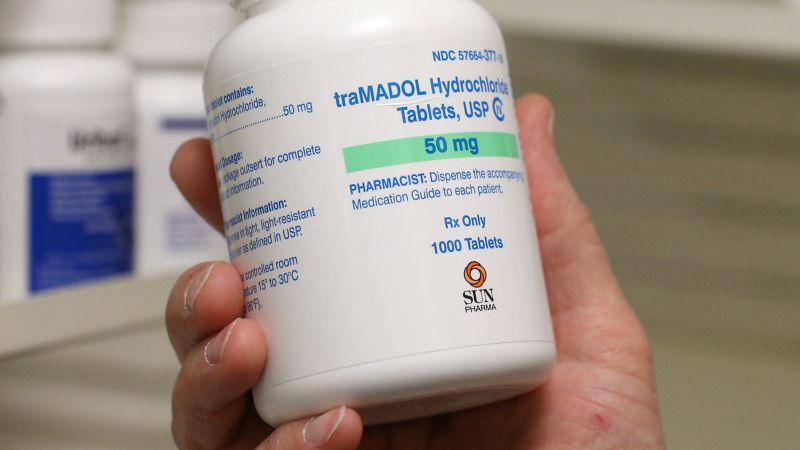
A new study published today suggests the risks associated with tramadol, a widely prescribed synthetic opioid, may outweigh its limited benefits for managing chronic pain, prompting calls for minimized use and exploration of alternative treatments.
The research, appearing in the journal BMJ Evidence-Based Medicine, analyzed 19 clinical trials involving over 6,500 participants aged 47 to 69 and found only a “slight effect” on chronic pain reduction, with low certainty of evidence. Lead author Dr. Janus Jakobsen, a clinical professor at the University of Southern Denmark in Copenhagen, stated in an email, “The findings indicate that the benefits of tramadol are questionable or, at the very least, uncertain. Furthermore, evidence suggests the presence of potentially harmful effects.” The study identified increased risks of adverse events, including cardiac problems and abnormal cell growth, raising concerns about the drug’s safety profile.
Researchers discovered tramadol increased the risk of both non-serious and serious adverse events, including nausea, dizziness, and constipation. They also noted the beneficial effect of tramadol on chronic pain was below a “minimal important difference” of one point on a 10-point pain scale, suggesting the relief experienced by patients may not be clinically significant. This finding is particularly relevant as chronic pain affects an estimated 20% of adults in the United States, significantly impacting quality of life. Dr. Michael Hooten, an anesthesiologist and pain specialist at Mayo Clinic, who was not involved in the study, commented that the review “basically confirms many of the clinical factors that I already intuitively know” regarding the limitations of opioids for long-term pain management.
While tramadol is often considered a safer alternative to other opioids – with nearly 12 million daily doses consumed worldwide between 1990 and 2009, according to manufacturer records – the study authors emphasize the need for careful consideration of alternative treatments and individualized patient care. Experts suggest exploring options like non-pharmacological approaches, including physical therapy and mindfulness techniques, before resorting to tramadol. Officials advise patients to consult with their physicians to determine the most appropriate treatment plan for their specific condition.
