
Rise in DIY Hormone Therapy for Transgender Australians Sparks Health Concerns
A growing number of transgender and gender-diverse Australians are turning to self-administered hormone replacement therapy (HRT), driven by lengthy wait times for medical care, affordability issues, and experiences of discrimination within the healthcare system, raising concerns among medical professionals.
Evidence suggests gender-affirming hormone therapy – using oestrogen or testosterone to align physical characteristics with gender identity – can significantly improve mental health and wellbeing, with a 2023 systematic review published in Nature Human Behaviour finding improvements in quality of life. However, the therapy also carries risks, including increased rates of stroke, heart attack, or blood clots, particularly for trans women, and doctors emphasize the importance of medical supervision. Olivia Donaghy, clinical director of Gender Health Australia, expressed concern that the recent ban on hormone therapy for those under 18 in Queensland could exacerbate the trend. “I think the rest of Australia is right to be concerned – if they are doing it there, it could happen here. People are desperate for healthcare. They are not going to not get it,” she said.
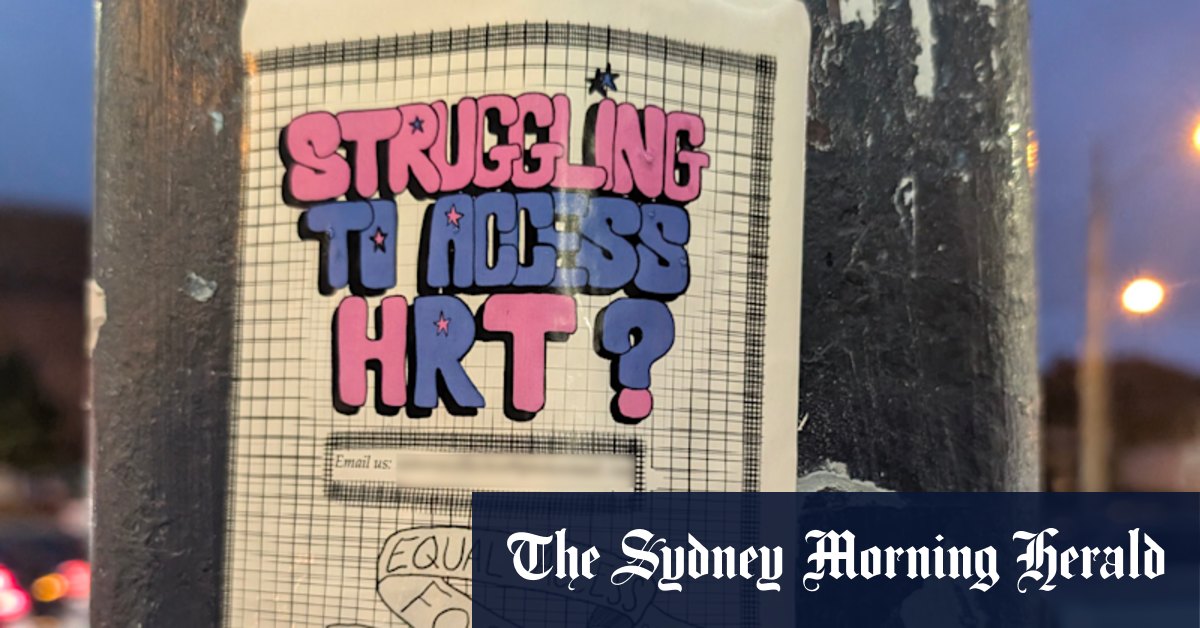
The practice of DIY HRT has historically been present within the trans community, but appears to be gaining traction. Some individuals report positive experiences, with a spokesperson for Seahorse Collective stating that “all DIY HRT experiences in our collective have been positive,” particularly when compared to challenges accessing care through traditional medical channels. However, Dr. Stuart Aitken, a co-founder of Gender Health Australia, has treated patients injured by DIY HRT, including one who suffered a stroke from unmonitored hormone doses. Waiting lists for public gender clinics in Victoria currently extend to two years, and while private options exist, they can be costly. This accessibility gap is fueling the rise in self-treatment, even though the drugs needed are readily available online, sometimes for less than the cost of a doctor’s visit.
Authorities are responding to the growing trend. The federal government has initiated a review of treatment guidelines for trans young people led by the National Health and Medical Research Council, prompted by the situation in Queensland. Eloise Brook, chief executive of the Australian Professional Association for Trans Health (AusPATH), stressed the dangers of unsupervised treatment, stating, “We don’t want anyone to be taking a DIY approach. Any kind of medication that is not being properly monitored by a health professional always runs a risk.” The Victorian government recently allocated $2.1 million to expand regional access to gender-affirming care, as detailed on the Victorian Government website, but advocates say more systemic changes are needed to address the root causes driving individuals to seek alternative solutions.
Health officials say they will continue to monitor the situation and work to disrupt the unlawful importation of unregulated therapeutic goods, while emphasizing the importance of safe, medically supervised care.
