Ancient human relative cannibalized both adults and children in a cave in Spain 850,000 years ago, fossils reveal
Newly analyzed fossils from the Gran Dolina site in Spain reveal that Homo antecessor cannibalism was not restricted to the young, but included adults.
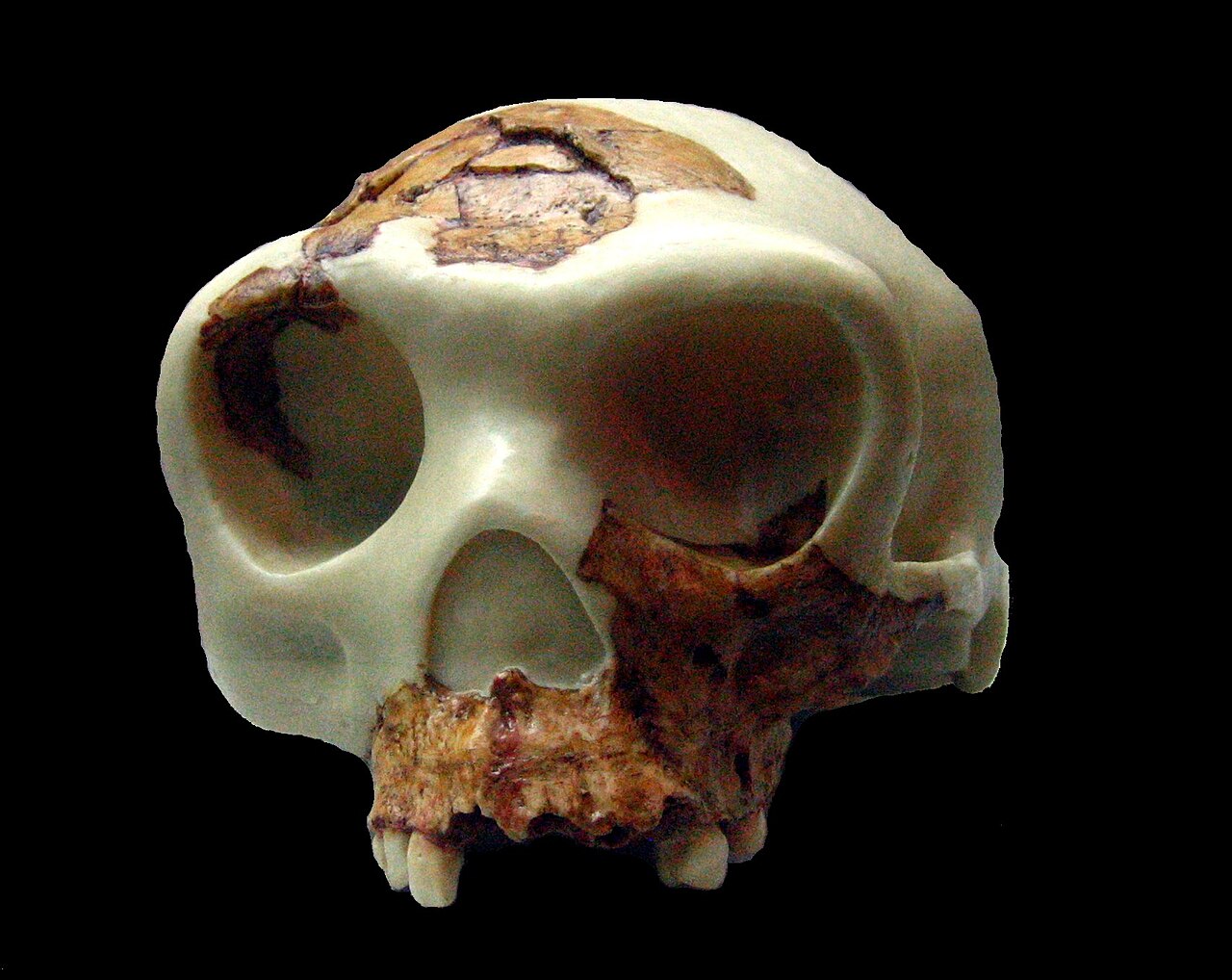
Where it stands
Current understanding of prehistoric survival behaviors is shifting as researchers confirm that Homo antecessor consumed both adults and children 850,000 years ago. This discovery challenges previous archaeological assumptions that suggested a dietary focus limited to adolescents. The findings suggest that these early human relatives maintained these practices across all age groups within their community.
Evidence for this behavior stems from cut marks identified on adult bones unearthed at the Aurora layer in Gran Dolina. According to ScienceBlog.com, the discovery of 24 additional fossils has raised the estimated minimum number of individuals at the site to between 13 and 15. Live Science and Gizmodo highlight that this broader scope of cannibalism fundamentally alters the established narrative regarding the group's social and dietary patterns in ancient Spain.
Archaeologists are now examining whether these findings reflect consistent nutritional habits or specific environmental pressures unique to that period. Coverage from UA.NEWS and Archaeology News Online Magazine does not yet specify the precise motivations behind these events, leaving the specific circumstances of the consumption open for future analysis.
Synthesized by headlinez.news from the headlines below under a strict no-invention contract. ✓ fact-checked: all claims supported by sources Updated 49d ago.
Answered
Where were the fossils discovered?
The fossils were found at the Gran Dolina site, specifically within the Aurora layer in Spain.
How old are the fossils?
The remains date back 850,000 years.
What is the new estimated number of individuals at the site?
The minimum number of Homo antecessor individuals in the Aurora layer is now estimated to be between 13 and 15.
Sources (5)
- Bones of adults and children of a human ancestor, showing signs of cannibalism UA.NEWS · 50d ago
- New Homo antecessor fossils show adults were also victims of cannibalism in ancient Spain Archaeology News Online Magazine · 50d ago
- Cut marks on adult bone show the cannibalism at Gran Dolina 850,000 years ago was not limited to children and adolescents, and 24 new Homo antecessor fossils raise the minimum number of individuals in the Aurora layer to between 13 and 15 ScienceBlog.com · 50d ago
- Archaeologists Thought These Early Cannibals Mostly Ate Children. They Were Wrong Gizmodo · 50d ago
- Ancient human relative cannibalized both adults and children in a cave in Spain 850,000 years ago, fossils reveal Live Science · 50d ago
How fast it spread
How fast coverage is spreading — measured hourly from article rate × source diversity. How this works →
Related visual coverage
Automatically selected only when the subject entities match this story. Embeds remain hosted by their original platforms.
Ancient DNA Reveals How Ancient Spain Changed
YouTube · Ancient Trace
Topics
From around our network
- Spain's Octopus Farm Died Before It Ever Opened daybreakwire.com
Related trends
Spain ignores EU and prepares transfer of 500 migrant girls from Ceuta
Spain is challenging Brussels by preparing urgent mainland transfers for 500 vulnerable migrant girls stranded in Ceuta.
Roman shipwreck discovered off the coast of Sicily, Italy laden with ancient jars believed to be more than 2,000 years old
A pristine 2,000-year-old Roman merchant vessel laden with hundreds of jars has been discovered off Sicily.
Breaking news. Italy suspends Schengen with Spain over Ceuta migrant crisis, closes air and sea borders
Italy suspends its Schengen agreement with Spain and closes air and sea borders as a massive migrant surge hits the enclave of Ceuta.
Priscilla Presley, 81, is ageless in head-to-toe red for rare event appearance
Priscilla Presley drew widespread public attention during a rare appearance in Mallorca, Spain, wearing a head-to-toe red outfit.
Ancient DNA Reveals Woolly Mammoth With A Sex Chromosome Combination Never Before Seen In An Extinct Species
Ancient DNA analysis suggests Ice Age humans disproportionately targeted female woolly mammoths, while revealing a unique genetic chromosomal mutation.
Europe Gets a Taste of the Wildfire Blame Game ? Climate & Energy for July 30
Scientific consensus links human-caused climate change to the intensification of wildfires currently burning across France and Spain.