Ancient DNA Reveals Woolly Mammoth With A Sex Chromosome Combination Never Before Seen In An Extinct Species
Ancient DNA analysis suggests Ice Age humans disproportionately targeted female woolly mammoths, while revealing a unique genetic chromosomal mutation.
📍 The outcome
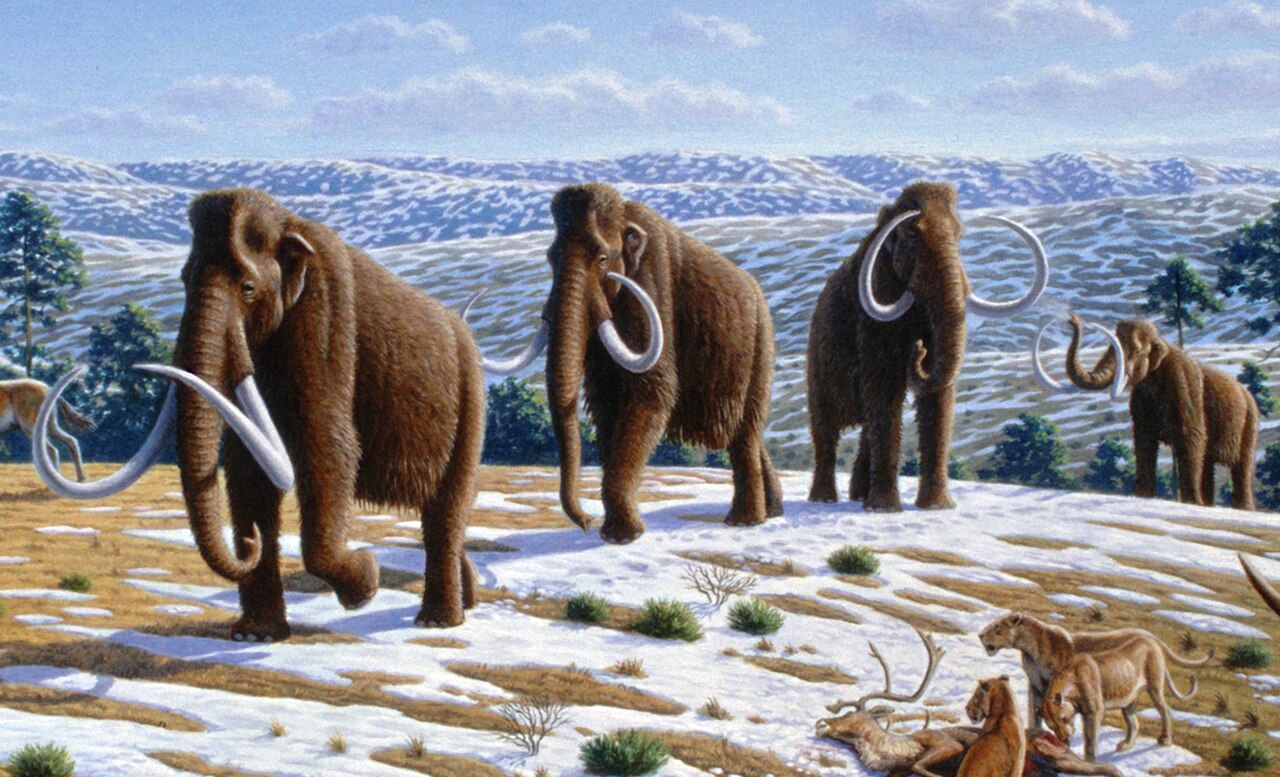
A study revealed that Ice Age humans mostly targeted female woolly mammoths for hunting, as suggested by ancient DNA. The discovery was supported by multiple findings that showed prehistoric people were selective about the mammoths they killed and ate, with a preference for females. The story quieted without further updates on the implications of this discovery or the rare sex chromosome combination found in one of the woolly mammoths.
Epilogue added 44d ago, after coverage quieted.
Answered
What do the genetic findings suggest about mammoth hunting?
Evidence suggests that humans hunted female mammoths more frequently than males.
What is unique about the discovered mammoth DNA?
The specimen displays a sex chromosome combination that has not been previously observed in an extinct species.
Which outlets are reporting on these findings?
Nautilus, Popular Science, Phys.org, New Scientist, and IFLScience have published details regarding these discoveries.
Where it stands
Recent genetic analysis indicates that Ice Age humans preferentially hunted female woolly mammoths. Nautilus, Popular Science, Phys.org, and New Scientist report that butchered remains predominantly belong to females, suggesting a distinct hunting bias among ancient populations. Additional research from IFLScience identifies a woolly mammoth specimen possessing a sex chromosome combination previously undocumented in any extinct species.
This finding adds a layer of biological complexity to the existing understanding of mammoth populations during the period. While coverage across all five outlets aligns on the conclusion regarding hunting patterns, the reports vary in their focus. Some outlets concentrate on the behavioral implications for human hunters, whereas others emphasize the significance of the chromosomal discovery.
No contradictions exist between the sources, though they provide differing levels of detail regarding the genetic findings versus the archaeological evidence.
Synthesized by headlinez.news from the headlines below under a strict no-invention contract. ✓ fact-checked: all claims supported by sources Updated 47d ago.
Who reported it (10)
- A study has shown that Ice Age hunters carefully selected their mammoths UA.NEWS · 47d ago
- Ice Age Humans Mostly Killed Female Woolly Mammoths, Suggests Ancient DNA Smithsonian Magazine · 47d ago
- Study shows prehistoric people targeted female mammoths Reuters · 47d ago
- Bone study shows Ice Age hunters were picky about what mammoths they killed and ate The Independent · 47d ago
- Study shows prehistoric people targeted female mammoths Yahoo · 47d ago
- Did Ancient Humans Prefer Hunting Female Mammoths? Nautilus | Science · 47d ago
- Ice Age humans preferred hunting female woolly mammoths Popular Science · 47d ago
- Ancient DNA reveals Ice Age humans targeted female woolly mammoths Phys.org · 47d ago
- Woolly mammoths butchered by humans were mostly female New Scientist · 47d ago
- Ancient DNA Reveals Woolly Mammoth With A Sex Chromosome Combination Never Before Seen In An Extinct Species IFLScience · 47d ago
Momentum
How fast coverage is spreading — measured hourly from article rate × source diversity. How this works →
Related visual coverage
Automatically selected only when the subject entities match this story. Embeds remain hosted by their original platforms.
Everything We Knew About Woolly Mammoth Is Wrong - Ancient DNA Finally Revealed The Truth
YouTube · EXTINCTIA
Topics
From around our network
- Why Some Federal Agencies Never Close During a Shutdown daybreakwire.com
Related trends
New technique pinpoints human DNA inherited from 'ghost' ancestors
A new genetic analysis technique has identified traces of previously unknown 'ghost' ancestors in the DNA of modern humans.
‘This Is Very Strange’: Ancient Smallpox May Have Been Less Deadly
Genetic analysis of 500-year-old Inca mummies indicates the smallpox virus introduced by European colonizers may have been less lethal than previously assumed.
Prehistoric 'murder scene' reveals 'unbelievable' triple-predator scenario
A rare prehistoric fossil discovered in Outback Queensland reveals a multi-tiered predatory sequence involving three ancient species.
Scientists expected one Alzheimer’s advantage in SuperAgers. They were wrong
New research challenges the long-held belief that genetics provide the primary shield against cognitive decline in SuperAgers.
New genetic risk factors linked to chronic pain disorder in major study
A landmark study involving 2.5 million individuals has established a clear biological basis for fibromyalgia by identifying specific genetic risk factors.
Ancient human relative cannibalized both adults and children in a cave in Spain 850,000 years ago, fossils reveal
Newly analyzed fossils from the Gran Dolina site in Spain reveal that Homo antecessor cannibalism was not restricted to the young, but included adults.