‘This Is Very Strange’: Ancient Smallpox May Have Been Less Deadly
Genetic analysis of 500-year-old Inca mummies indicates the smallpox virus introduced by European colonizers may have been less lethal than previously assumed.
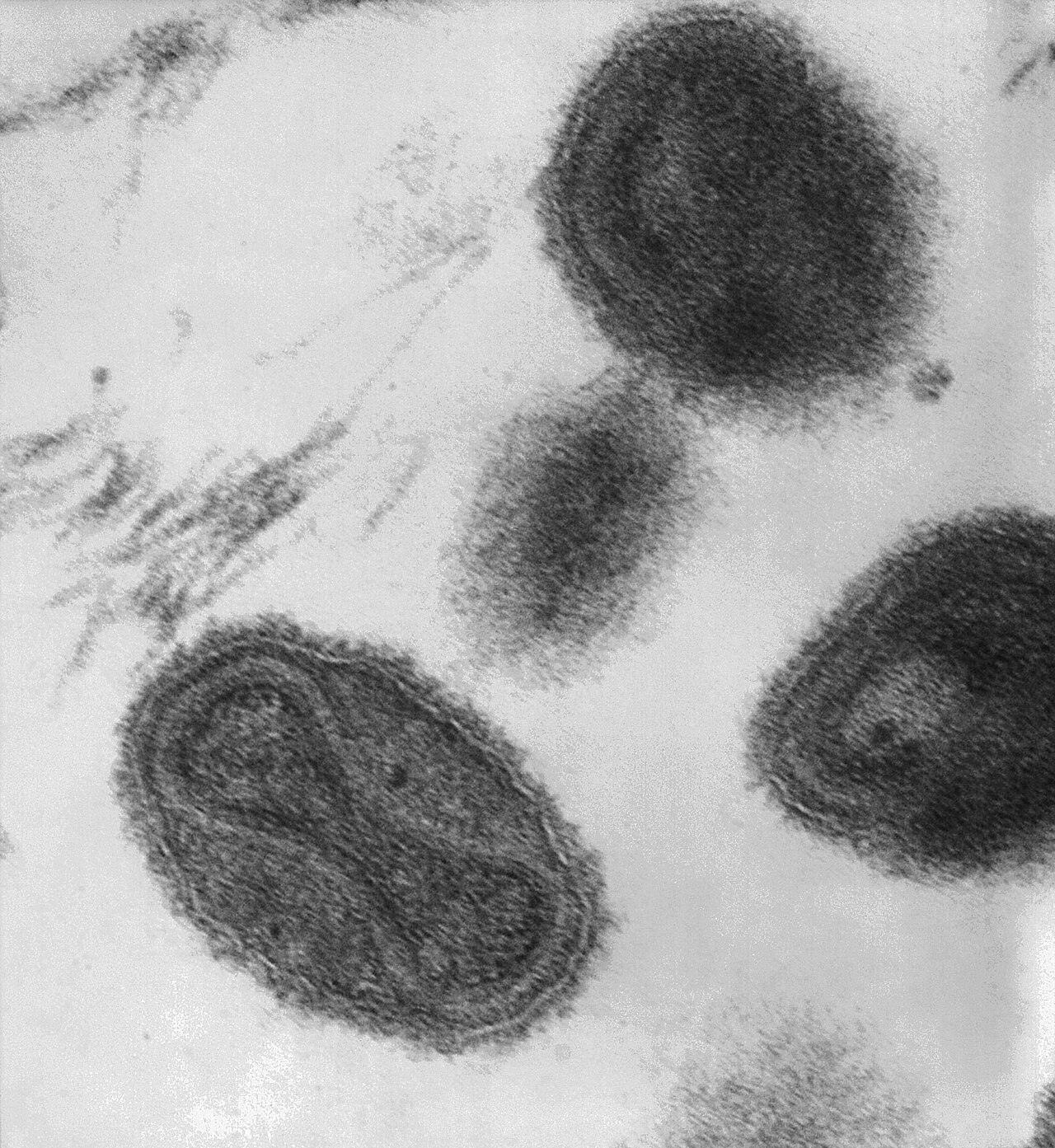
📍 The outcome
{ "epilogue": "Ancient smallpox DNA was recovered from Spanish conquest-era Chilean mummies and 500-year-old Inca mummies. Scientific evidence from these genomes showed that European colonization brought the devastating disease to the Americas. Concurrently, coverage indicated that ancient smallpox may have been less deadly." }
Epilogue added 45d ago, after coverage quieted.
The obvious questions
What do the 500-year-old mummies reveal?
The mummies provide DNA evidence confirming that smallpox was introduced to the Americas by European colonists.
Why is the finding considered strange?
Genetic analysis suggests the ancient strain of the virus may have been less deadly than the smallpox known in later centuries.
Where was the DNA found?
Researchers recovered smallpox DNA from mummies located in Chile and the broader Andes region dating to the era of Spanish conquest.
The story so far
DNA recovered from Spanish conquest-era mummies in Chile and the Andes suggests that the smallpox virus originated in Europe and was brought to the Americas during colonization. By sequencing this ancient viral material, researchers have established a direct link between European contact and the presence of the pathogen in the region.
While the evidence confirms the introduction of the virus, the findings have prompted debate regarding the nature of the disease at that time. Outlets including The New York Times note that the genetic markers found in these specimens suggest the virus may have possessed different characteristics than later, more virulent strains, leading researchers to observe that the disease might have been less deadly than historical accounts imply.
Future analysis of these genomes is required to determine the specific evolutionary variations of the virus. Coverage does not yet specify how these findings reconcile with historical records of mass mortality among indigenous populations or what specific biological factors moderated the virus's virulence in the 16th century.
Synthesized by headlinez.news from the headlines below under a strict no-invention contract. ✓ fact-checked: all claims supported by sources Updated 47d ago.
Who reported it (6)
- 500-year-old Inca mummies prove that European colonists brought devastating smallpox to the Americas Live Science · 47d ago
- Ancient smallpox genomes reveal how European colonization brought the disease to the Americas Phys.org · 47d ago
- Smallpox DNA in ancient Inca mummies shows virus came from Europe New Scientist · 47d ago
- Ancient mummy DNA provides scientific evidence that colonization brought smallpox to the Americas AP News · 47d ago
- Smallpox DNA is recovered from Spanish conquest-era Chilean mummies Reuters · 47d ago
- ‘This Is Very Strange’: Ancient Smallpox May Have Been Less Deadly The New York Times · 47d ago
Momentum
How fast coverage is spreading — measured hourly from article rate × source diversity. How this works →
Related visual coverage
Automatically selected only when the subject entities match this story. Embeds remain hosted by their original platforms.
Digging a Dry Pond EXPOSES very strange finds
YouTube · Si-finds Thames Mudlark
Topics
From around our network
- The Deadly Toll Of Germany’s Cocaine Trade world-today-news.com
Related trends
Roman shipwreck discovered off the coast of Sicily, Italy laden with ancient jars believed to be more than 2,000 years old
A pristine 2,000-year-old Roman merchant vessel laden with hundreds of jars has been discovered off Sicily.
Ancient DNA Reveals Woolly Mammoth With A Sex Chromosome Combination Never Before Seen In An Extinct Species
Ancient DNA analysis suggests Ice Age humans disproportionately targeted female woolly mammoths, while revealing a unique genetic chromosomal mutation.
Rabid bat found near playground at Renton’s Gene Coulon Park, health officials say
Public health officials confirm a rabid bat was discovered near a playground at Renton’s Gene Coulon Park, prompting local awareness alerts.
New technique pinpoints human DNA inherited from 'ghost' ancestors
A new genetic analysis technique has identified traces of previously unknown 'ghost' ancestors in the DNA of modern humans.
More cases reported in cyclospora outbreak not linked to lettuce: FDA data
Cyclospora infections are rising across the U.S., with recent data indicating new outbreak clusters that fall outside the traditional link to lettuce products.
'Kind of the first time we've had an estimate like this': first CDC study on mold finds it's much deadlier than we thought
A new CDC study indicates that invasive mold infections are more prevalent and carry higher mortality rates than previously understood.