
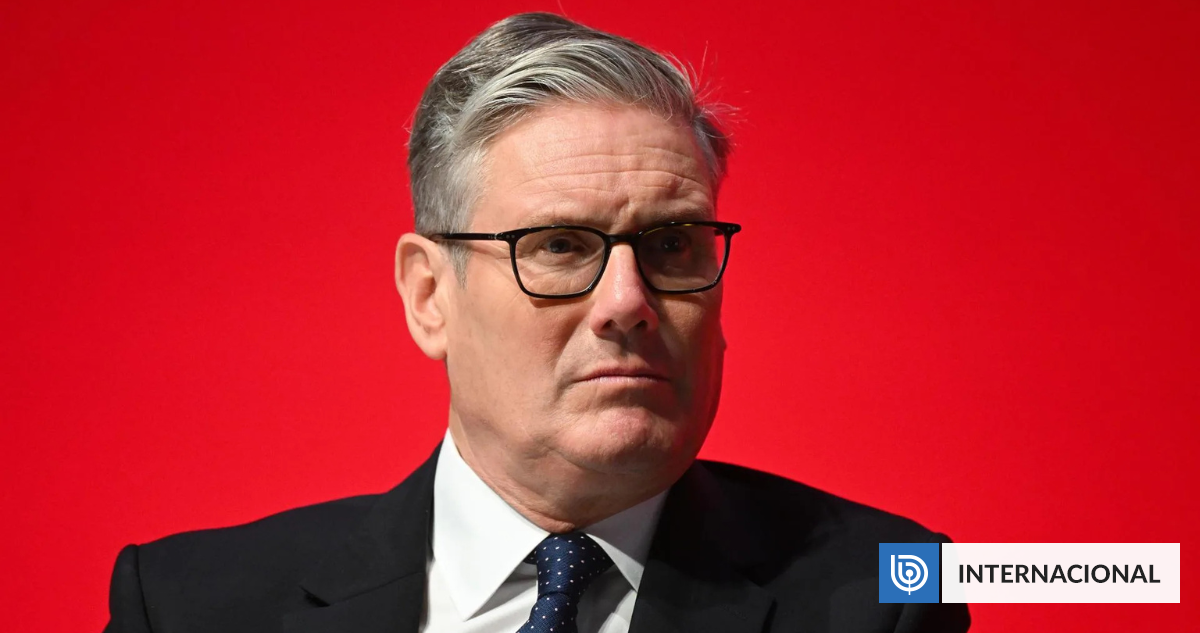
British Prime Minister Keir Starmer is facing a mounting leadership crisis on May 12, 2026, as three state secretaries resigned from the government. The wave of departures follows a significant electoral defeat in local elections held on May 8, 2026, intensifying internal pressure for Starmer to step down.
Miatta Fahnbulleh, the Secretary of State for Decentralization, Faith and Communities, was the first to resign. In a letter to the Prime Minister, Fahnbulleh urged Starmer to “do the right thing for the country and the Party” by establishing a “timetable for an orderly transition.”
Fahnbulleh’s resignation highlighted deep frustrations within the administration, stating that while some progress was made, the government failed to act with the “vision, the speed and ambition” required by its mandate. She specifically pointed to “errors” such as cuts to social services and asserted that Starmer has “lost the confidence and the credibility of the public.”
The crisis within the Labour Party has created a stark divide among its members. While some call for a change in leadership, more than 100 Labour MPs have signed a letter opposing an immediate leadership contest, arguing that now is not the appropriate time for such a struggle. Starmer has continued to refuse calls for his resignation.
This political instability comes at a time of historic regional shifts. For the first time, independence-leaning governments are set to rule Scotland, Wales and Northern Ireland simultaneously.
Despite the internal turmoil and regional pressures, Starmer has maintained his policy goals, pledging to bring the United Kingdom back into the “heart of Europe.”
The simultaneous resignations and the rise of nationalist governments in the devolved nations underscore a period of significant volatility for the current administration.
