
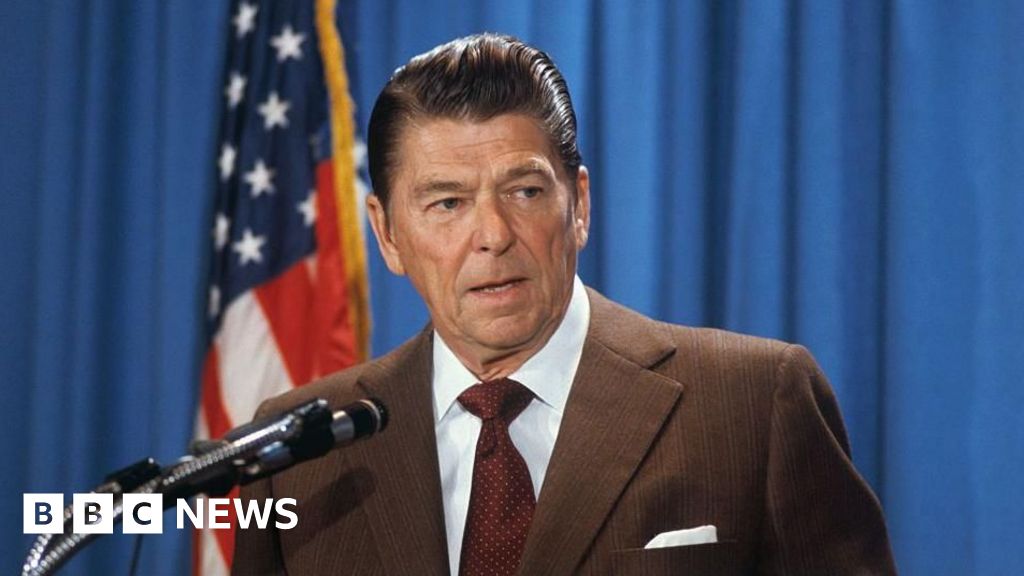
Trump Announces New Tariffs on Canadian Goods After Reagan Ad Dispute
U.S. President Donald Trump announced today he is increasing tariffs on goods imported from Canada by 10%, escalating a trade dispute sparked by an advertisement featuring former President Ronald Reagan criticizing tariffs.
The move follows the airing of an advertisement in Ontario, Canada, featuring excerpts from a 1987 radio address by Reagan arguing that tariffs “hurt every American.” Trump called the advert a “fraud” in a social media post yesterday and demanded its removal, particularly ahead of the World Series baseball championship. While Ontario Premier Doug Ford agreed to pause the ad campaign to allow trade talks to resume, he stated it would still run in the U.S. over the weekend. This escalation in trade tensions could further impact North American economic stability.
Trump stated while traveling to Asia that he was “increasing the Tariff on Canada by 10% over and above what they are paying now.” Canada is currently subject to a 35% levy on all goods, with exemptions under an existing free trade agreement, as well as sector-specific tariffs including 50% on metals and 25% on automobiles. Canadian Trade Minister Dominic LeBlanc responded, stating, “We stand ready to build on the progress made in constructive discussions with American counterparts…progress is best achieved through direct engagement with the US administration.” You can find more information about current US-Canada trade relations at the Council on Foreign Relations.
The Ronald Reagan Foundation had previously criticized the advertisement for using “selective” audio and video and misrepresenting Reagan’s address. Despite this, Ford had pledged to run the ad in Republican-led districts in the U.S. Both Trump and Canadian Prime Minister Mark Carney are attending the Association of Southeast Asian Nations summit in Malaysia, but Trump indicated he has no plans to meet with Carney during the trip. The Canadian Chamber of Commerce expressed hope that the situation “can be resolved through diplomatic channels and further negotiation,” noting that tariffs ultimately act as a tax on American competitiveness.
Officials say they will continue to monitor the situation and seek a resolution through ongoing discussions.
