

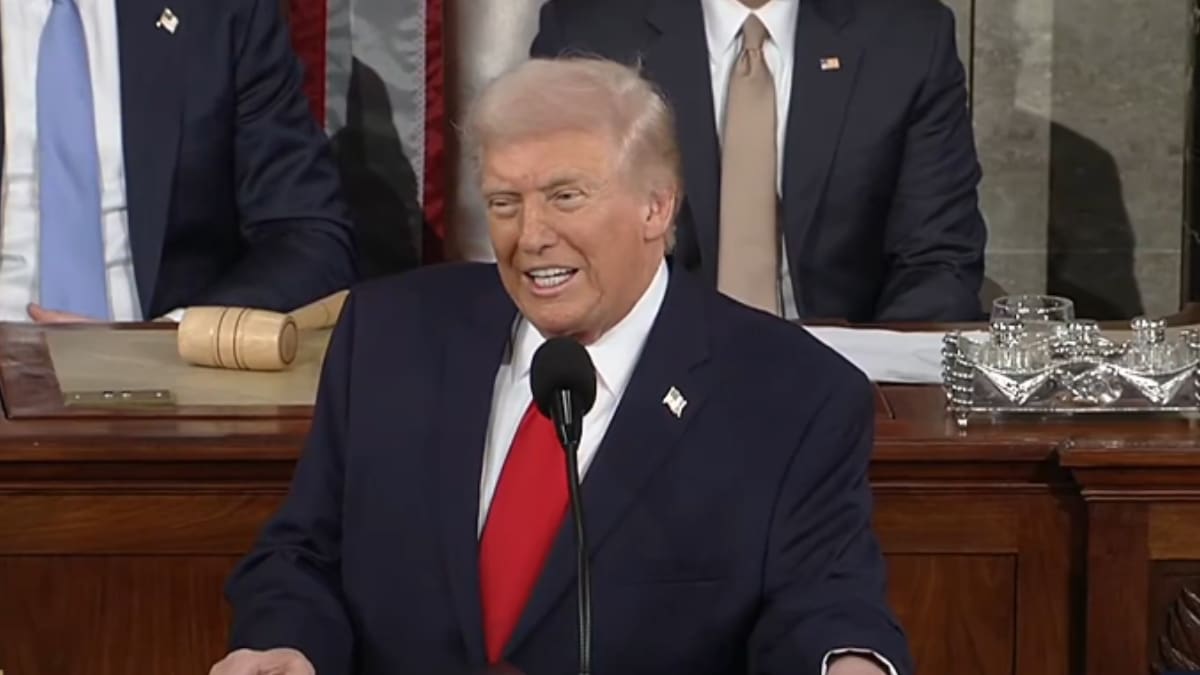
President Donald Trump issued a clock ticking
threat to Iran on Monday, May 18, 2026, as geopolitical tensions escalate. Simultaneously, officials in Tehran announced the preparation of a professional mechanism to manage maritime traffic through the Strait of Hormuz, following the closure of the vital waterway and ongoing regional military strikes.
Escalating Rhetoric and the Strait of Hormuz
The standoff between the United States and Iran has intensified this week, marked by a public warning from President Donald Trump. The administration’s stance, characterized by the clock ticking
ultimatum, comes as global energy markets face instability due to the continued closure of the Strait of Hormuz. The White House has framed the current period as a definitive window for the Iranian government to alter its regional security posture, specifically regarding the freedom of navigation in the Persian Gulf.
Tehran has responded to the pressure by signaling a shift in its maritime strategy. Iranian authorities are reportedly developing a professional mechanism intended to regulate traffic in the strait. This development follows a period of heightened volatility, including reports of military strikes in Lebanon that have persisted despite existing ceasefire agreements. The strategic waterway, a critical artery for global oil transit, remains a central point of friction, with Iran attempting to maintain a framework for navigation amid the broader confrontation. Regional analysts note that the creation of this mechanism serves as a direct challenge to the U.S. naval presence in the area, which has traditionally operated under the assumption of international transit rights.
Diplomatic Responses and Regional Conflict
Diplomatic efforts to de-escalate the situation remain strained. Reports from last week indicate that Iran released a response focused on ending hostilities across multiple fronts, specifically highlighting the situation in Lebanon. Despite these overtures, the rhetoric from Washington suggests that the U.S. remains focused on the timeline of Tehran’s compliance with international demands. State Department officials have indicated that they view the Iranian proposal for a traffic management system as a potential attempt to formalize the blockade rather than a genuine effort to restore commercial maritime flow.
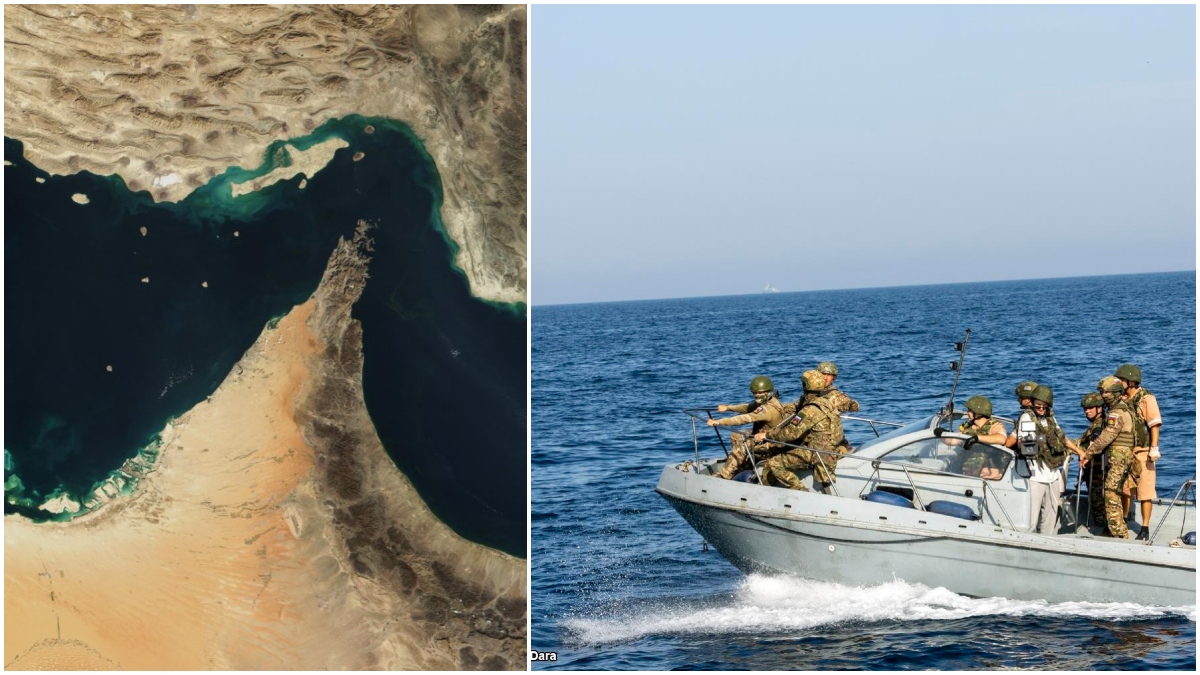
The intersection of military activity in the Levant and the blockade of the Strait of Hormuz has created a complex security environment. With the ceasefire clock reportedly ticking, international observers are monitoring whether the proposed Iranian framework for Hormuz traffic will serve as a genuine de-escalation measure or if it is a tactical maneuver designed to consolidate control over the passage during the ongoing crisis. The lack of a unified international consensus on how to engage with Tehran’s proposed maritime regulations has left a vacuum that is currently being filled by unilateral military posturing from both the United States and regional Iranian-aligned factions.
Current Status of the Confrontation
As of May 18, 2026, the situation remains fluid. The closure of the Strait of Hormuz continues to place pressure on global markets, forcing nations to assess the potential for prolonged supply chain disruptions. While Tehran claims to be organizing a professional mechanism for traffic, the U.S. administration’s public warnings underscore a lack of confidence in current diplomatic channels. Intelligence reports circulating among allied nations suggest that the Iranian military has increased its readiness levels, preparing for the possibility of a direct confrontation should the U.S. attempt to force the strait open.
The persistence of strikes in Lebanon, even in the face of stated ceasefires, further complicates the possibility of a swift resolution. Both the United States and Iran are currently maneuvering within a high-stakes environment where the failure of these emerging mechanisms could lead to further regional instability. The international community awaits further clarity on whether the clock ticking
warning from President Trump will be met with concrete policy changes or continued defiance from Tehran. Meanwhile, European intermediaries have expressed concern that the lack of direct communication channels between Washington and Tehran is increasing the risk of a miscalculation that could escalate the conflict beyond the current maritime and regional theaters.
Institutional Perspectives and Strategic Implications
The U.S. Department of Defense has maintained a heightened alert status for its naval assets stationed in the vicinity of the Strait of Hormuz. Pentagon officials have repeatedly emphasized that the freedom of navigation is a non-negotiable aspect of international law, rejecting any Iranian efforts to impose a permit-based or regulatory system on commercial shipping. This position is supported by a coalition of regional partners who fear that a successful Iranian assertion of control over the waterway would fundamentally shift the balance of power in the Middle East.
Conversely, the Iranian Ministry of Foreign Affairs has argued that its proposed management mechanism is a necessary response to what it describes as foreign interference and the illegal presence of external military forces. By framing the blockade as a matter of national security and regional sovereignty, Tehran continues to challenge the international status quo. The duration of the current stalemate now depends on whether the U.S. administration moves toward direct kinetic intervention or continues to rely on economic and diplomatic pressure to compel a reversal of the blockade. With military assets from multiple nations currently operating in close proximity, the potential for an accidental encounter remains the primary concern for regional security experts monitoring the situation.
