
Beyond the Screen: Adult Beyblade Revival Promotes Social Wellness and Active Play
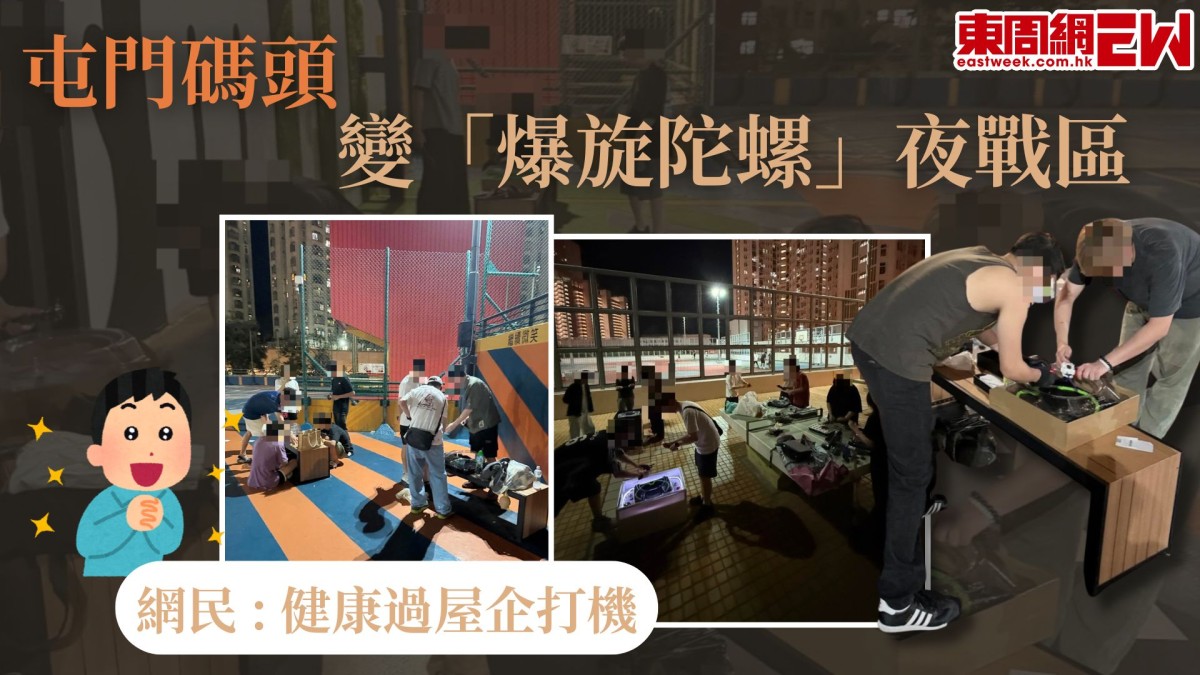
A nostalgic return to physical toys is offering a healthy alternative to sedentary screen time for adults in Hong Kong. Recently, the Tuen Mun Pier has seen a surge in late-night activity as young adults gather not for digital entertainment, but for the high-energy competition of Beyblade battles.

At the Chiu Hei rooftop sports ground, a community-led event dubbed “Tuen Ma Beyblade Night” has attracted groups of more than ten participants. These enthusiasts, many of whom are in their 20s and 30s, gather to test their customized tops in intense multiplayer competitions. The event organizer expressed pride in revitalizing the space, noting that “adults playing toys should be this serious.”
From a public health perspective, this trend highlights a shift toward active, social engagement over isolated indoor habits. Online observers have praised the movement, with some noting that such activities are “healthier than playing games at home every day.” This transition from digital gaming to outdoor, social interaction can be vital for mental well-being and reducing the physical risks associated with prolonged sedentary behavior.
The resurgence of Beyblade—a toy that first gained popularity in the late 1990s—is driven by the “90s generation” and millennials who now possess the purchasing power to pursue the hobby with professional precision. Rather than simple play, these adults focus on intricate modifications and competitive strategy. This evolution is supported by the latest BEYBLADE X line, which introduces “gear rail” designs that allow tops to accelerate instantly, creating a faster and more stimulating pace of play.
The hobby has as well moved into educational and organized spheres. The official branding of the activity as a “GEAR SPORT” has helped redefine it as a legitimate competitive pursuit. This was recently evidenced by the “Beyblade X STEM Inter-school G1 and G2 Competition” held at Tuen Mun Town Plaza, which integrated scientific principles with the game’s competitive nature.
The trend appears to be spreading across different neighborhoods, with similar Beyblade gatherings reported at Tin Yan Estate. Some community members are now calling for the expansion of these activities, suggesting the creation of district-level and territory-wide tournaments to further promote the hobby.
By transforming public spaces into hubs for active play, these gatherings underscore the importance of maintaining social connections and physical activity throughout adulthood to support long-term wellness.
