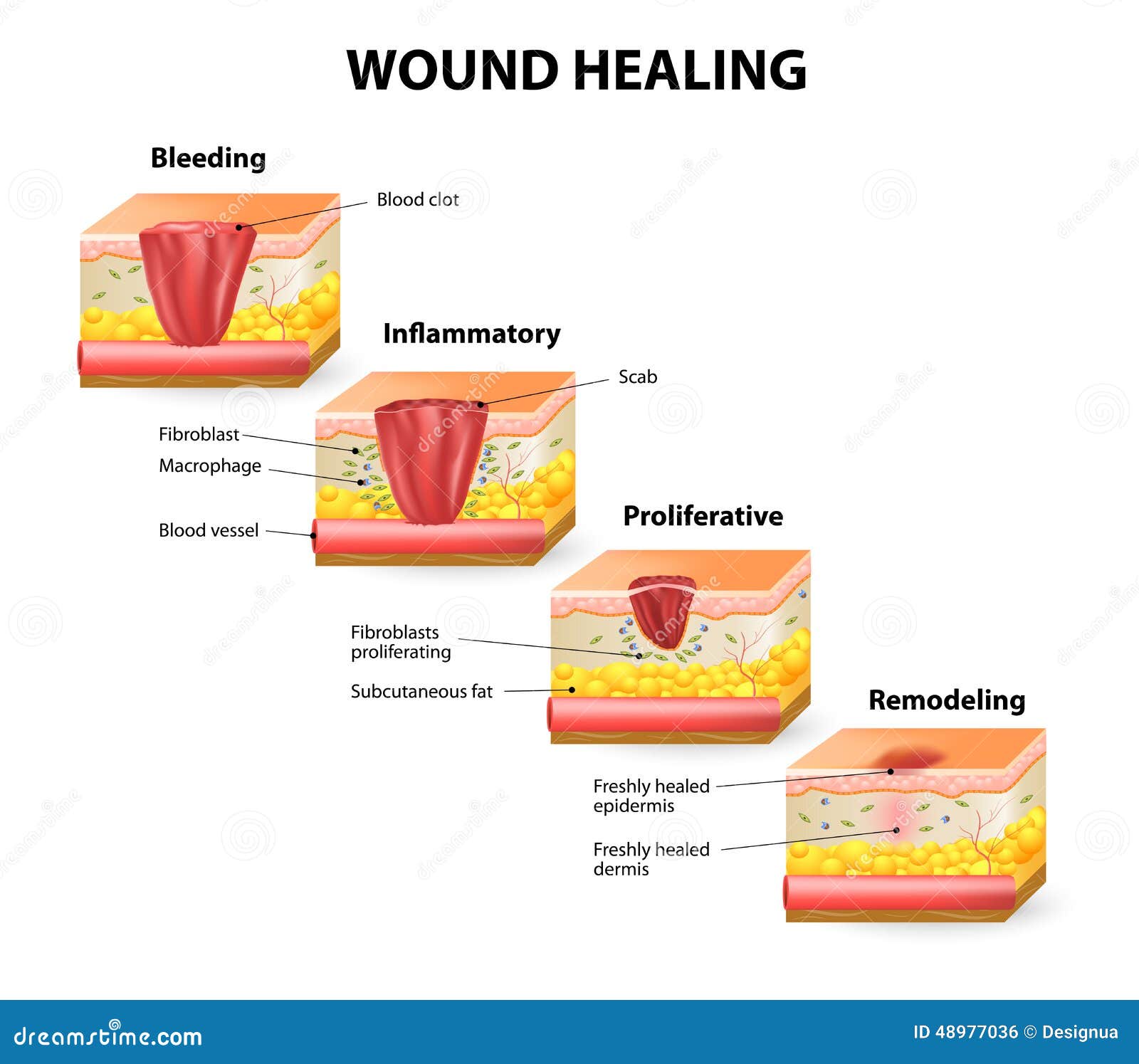
Turmeric, a spice with roots in ancient Indian medicine dating back over 5,000 years, is increasingly recognized for its role in wound healing and inflammation management. Research indicates that curcumin, the plant-based compound found within the spice, possesses significant antibacterial and anti-inflammatory properties that may accelerate recovery and tissue regeneration.
The Science of Curcumin and Wound Healing
Wound Healing Properties
The therapeutic potential of turmeric centers on curcumin, a compound studied for its ability to influence the body’s healing processes. According to reporting from Sky News Arabia, laboratory studies have demonstrated that curcumin assists in blood clotting, helping to seal wounds efficiently. By reducing inflammation in the early stages of an injury, curcumin helps regulate the immune response and minimize swelling, which in turn facilitates faster tissue repair.
Beyond its anti-inflammatory effects, curcumin acts as an antioxidant. It neutralizes harmful free radicals that contribute to oxidative stress—a condition that can otherwise hinder the regeneration of skin and underlying tissues. Furthermore, its antibacterial properties serve as a protective barrier, as wounds typically require more time to heal when infection is present. Curcumin also plays a role in supporting the production of collagen, the essential protein responsible for the structure and integrity of human skin.
Clinical Data and Application Limitations
cluster (priority): 3schools.com
While the biochemical promise of curcumin is well-documented, the form in which it is applied is critical to its efficacy. Researchers reviewing data from 19 clinical trials found that curcumin improved healing times and reduced symptoms in 89 percent of cases. However, it is essential to note that these positive outcomes were primarily observed in standardized preparations, such as clinical-grade creams, rather than raw turmeric powder.
The scientific community remains cautious regarding the use of raw spice in a household setting. The effectiveness of raw turmeric powder in halting active bleeding remains unverified. Current evidence suggests that curcumin is significantly more active and effective when it has been professionally extracted or processed for topical use. Relying on culinary ingredients for medical treatment can be unpredictable, and patients should always consult a healthcare provider before applying non-clinical substances to open wounds.
Technical Standards for Quotation Marks in Digital Documentation
Turmeric's POWERFUL Anti-Cancer Properties REVEALED? #signlanguage #sgsfsl #food
In the digital realm, the way we handle symbols—including those used in medicinal research citations—requires technical precision. When developers or writers manage content, they must distinguish between standard ASCII characters and special entities. As HTML Dog outlines, characters like quotation marks are vital for typography but can cause conflicts in code if not properly managed.
For instance, using an ASCII quotation mark (“) directly is common, but it can create issues when embedded within an attribute value that is already enclosed by the same mark. To resolve this, developers use HTML entities. According to technical documentation from Stack Overflow, there is generally no functional difference between these methods in modern browsers, though the use of specific entities like " remains standard practice for ensuring code validity in XML and HTML5 environments.
The distinction between “smart” quotes—the curved marks often generated by word processors—and straight ASCII quotes is a frequent point of confusion. As noted by Merriam-Webster, defining these terms accurately is essential for clear communication. Developers often find that while smart quotes are aesthetically pleasing, they are not interchangeable with the straight quotes required for functional computer code.
Maintaining Accuracy in Research and Development
cluster (priority): stackoverflow.com
As of May 2026, the intersection of traditional botanical knowledge and modern digital documentation underscores a need for rigorous standards. Whether evaluating the efficacy of a natural compound like curcumin or ensuring the integrity of a website’s source code, precision is the primary requirement. Resources provided by organizations such as W3Schools serve as a reminder that while tutorials and references are optimized for learning, they must be constantly reviewed to ensure the accuracy of the information provided to the public.
For those exploring the medicinal benefits of turmeric, the path forward involves focusing on processed, clinical-grade applications rather than raw kitchen ingredients, while maintaining a clear dialogue with medical professionals to ensure safety.