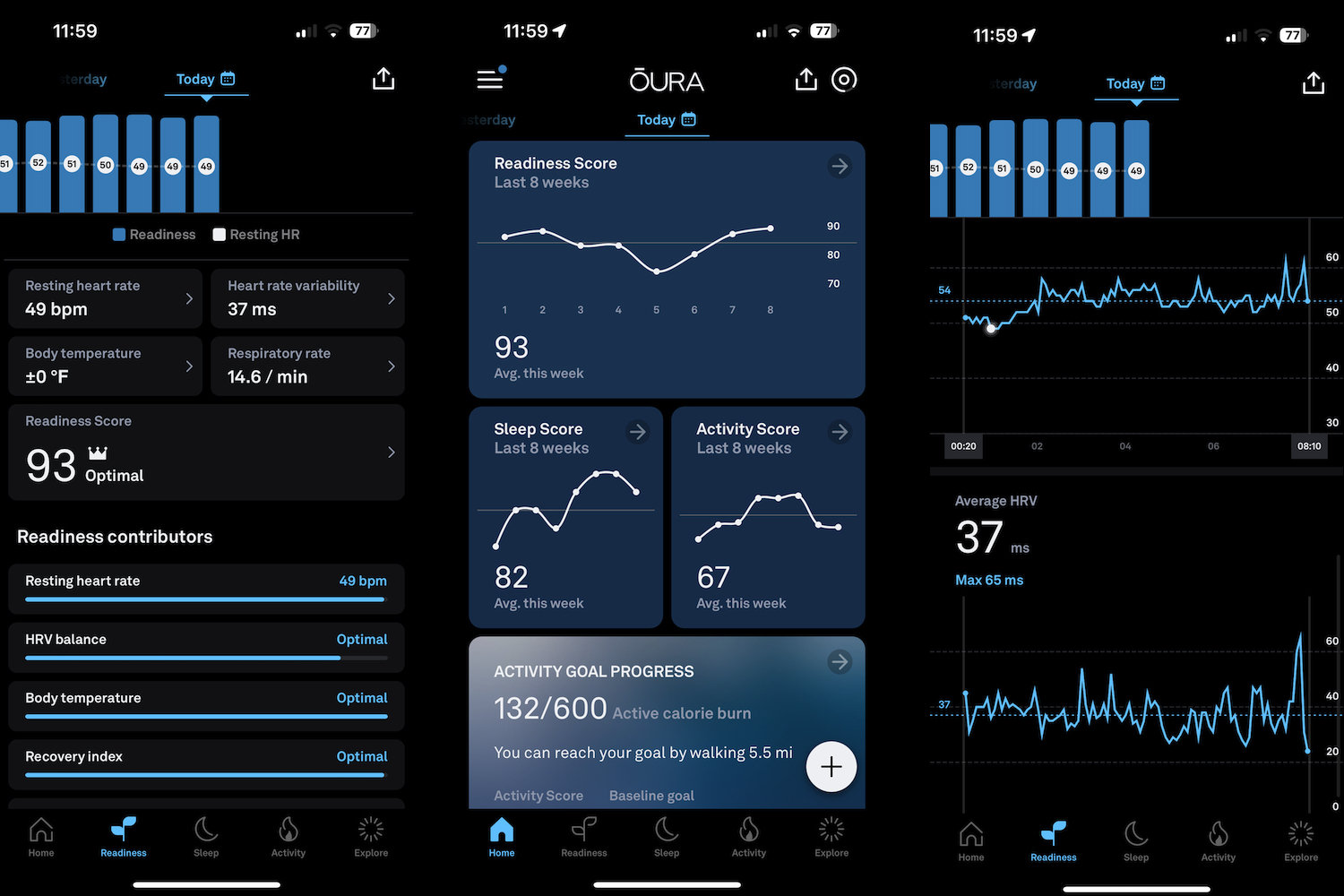
Smart ring users are increasingly trading internal bodily intuition for algorithmic data, a shift that carries significant psychological and behavioral risks. As of April 2026, the market for sleep-tracking wearables has reached approximately $1.7 billion, with Oura emerging as a dominant force in a sector where data-driven anxiety often replaces personal well-being.
The Quantified Self and the Cost of Constant Monitoring
The Quantified Self
The allure of continuous health tracking often begins with simple metrics—counting steps or setting a daily activity goal. However, this initial engagement quickly evolves into a complex digital feedback loop. Users now monitor resting heart rate, heart rate variability (HRV), body temperature, and respiratory patterns to determine their daily “readiness.” According to reporting by Bizportal, this transition turns health metrics into a personal identity, making it difficult for users to disconnect from their screens.
The technology promises to alert users to health shifts before they are consciously felt. In one documented instance, a user received a critical red alert for “significant signs” of bodily stress, which later manifested as influenza A. While such capabilities provide a veneer of medical utility, they also create a dependency where the algorithm dictates the user’s daily behavior.
“It can also produce a whole day of canceling plans, avoiding exertion, and changing mood—just because of an alert whose basis is not always clear. The model behind the alerts relies on machine learning that weighs personal data over time: temperature, respiratory rate, HRV, and resting heart rate. Even within the company, they admit that not every alert has a sharp explanation, and there is not always certainty about what the user is ‘about to catch’—if anything at all.”Bizportal
The psychological toll of this constant surveillance is becoming a focal point for researchers. When measurement occurs at night on the body, it leaves no room for the user to set the data aside. Unlike a smartphone that can be left on a table, a ring remains on the finger, turning health tracking into a persistent presence that can drive obsessive behaviors and anxiety.
Market Dynamics of Wearable Health
Algorithmic Data Oura Ring
Consumer spending in this sector is substantial. Oura rings are priced around $499, contributing to a sleep-tracking market valued at roughly $1.7 billion. Within this segment, wearable rings account for approximately 13.7% of the total value. The reliance on these devices creates a feedback loop where the data itself—even when ambiguous—can trigger an avoidance of physical effort or the cancellation of social plans, fundamentally altering a user’s quality of life based on digital signals.
Shifting Landscapes in Digital Subscription Services
While health tech firms navigate the psychological implications of their data models, major digital service providers are simultaneously restructuring their offerings. As of April 10, 2026, Amazon has implemented a new pricing tier for its streaming services in the United States, moving 4K/UHD and Dolby Atmos capabilities behind a more expensive, ad-free option titled Prime Video Ultra. According to Computerbase, standard Prime subscribers no longer have access to these high-definition features as of that date.
This change reflects a broader trend among major corporations to segment consumer access based on willingness to pay. While standard users will receive minor updates—such as increased download capacities and the addition of Dolby Vision (HDR)—these adjustments are unlikely to appease users who have invested in high-end UHD television hardware. Amazon has indicated that this price restructuring is currently limited to the U.S. market, though industry analysts expect similar adjustments in other regions.
Global Access and the Future of Subscription Management
cluster (priority): computerbase.de
As digital services become more fragmented, consumers are increasingly seeking out regional pricing strategies to maintain access to content. International platforms like Prime Video, which offer varying benefits depending on the region—such as the inclusion of gaming or music memberships in specific markets like Turkey or India—have become targets for savvy users looking to optimize subscription costs. According to tutorials published on Zhihu, users often leverage regional accounts to access content at a fraction of standard costs.
However, this digital maneuvering highlights the growing complexity of the modern subscription economy. Whether it is the high-stakes world of health data monitoring or the changing tiers of streaming content, the consumer is increasingly tasked with managing a dense web of algorithms and corporate policies. In the health sphere specifically, the challenge remains: as devices become more capable of measuring the body, users must decide whether the data provides genuine clarity or simply adds another layer of stress to their daily routines.