
UAE’s Exit from OPEC Signals Strategic Shift in Global Energy Markets and Regional Power
The United Arab Emirates has officially withdrawn from the Organization of the Petroleum Exporting Countries (OPEC), a decision that has sent shockwaves through international energy markets and signaled a significant realignment of geopolitical power in the Middle East. The move underscores a growing tension between national production ambitions and the collective constraints of the cartel.
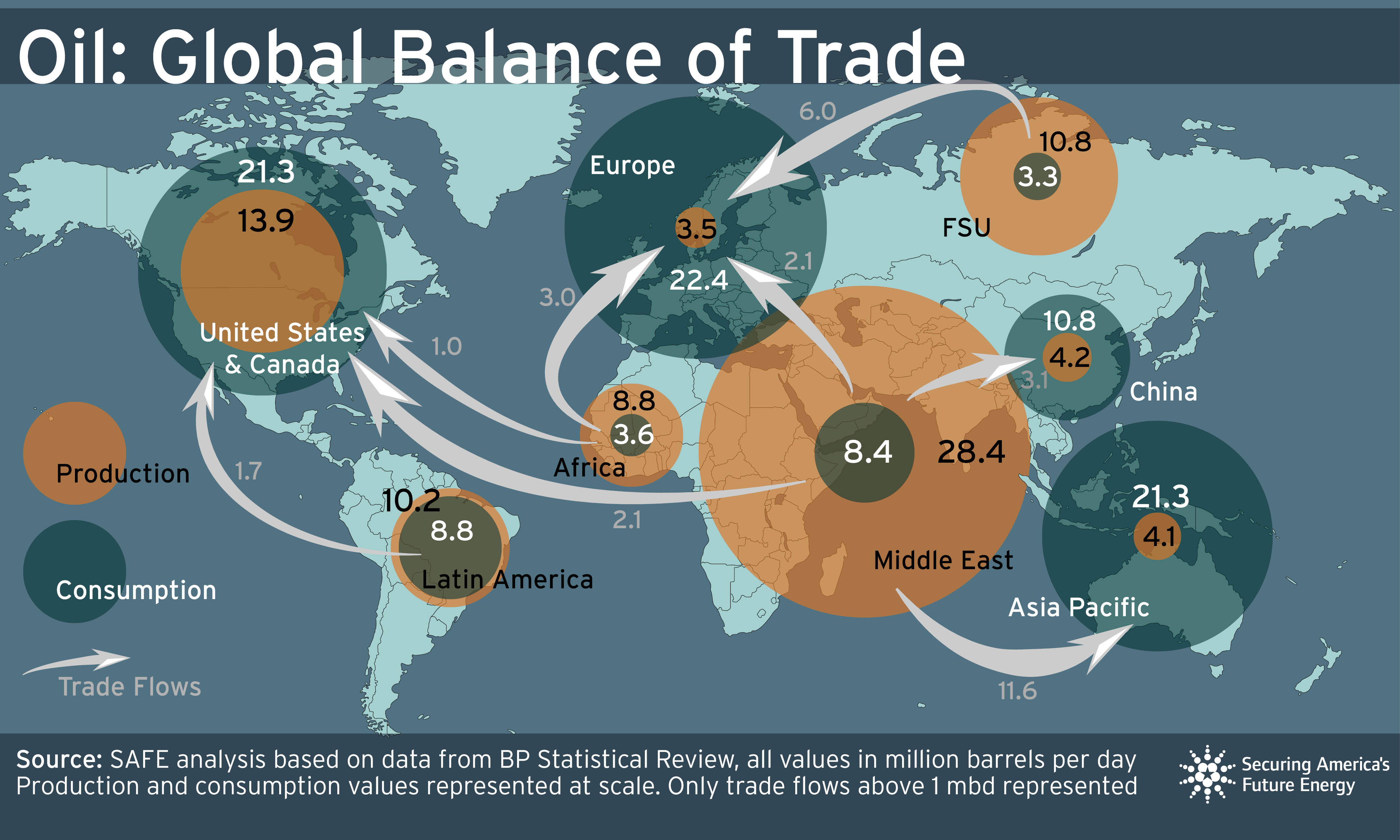
At the heart of the decision are the considerations behind the UAE’s exit, which center on the nation’s desire for greater autonomy over its oil production. For years, the UAE has sought more flexibility to leverage its investment in production capacity, often finding itself at odds with the strict quota systems imposed by OPEC to stabilize global prices.
This departure is not merely an economic calculation but a calculated geopolitical maneuver. Some scholars argue that the UAE’s exit is specifically designed to challenge the influence of Saudi Arabia, while simultaneously serving to undermine the positions of both Saudi Arabia and Iran within the region. By breaking away from the group, the UAE positions itself as an independent actor capable of pursuing its own strategic interests without the need for consensus from its neighbors.
The ripple effects of this move are expected to be profound. Analysts suggest the exit will shock the international energy market and fundamentally alter the existing regional power dynamics. The loss of a key member threatens the cohesion of the alliance and raises questions about the long-term viability of coordinated production cuts in an era of diversifying energy strategies.
As the industry digests this development, an international observation of the “group exit” suggests a period of uncertainty regarding how remaining members will compensate for the UAE’s independence. The decision highlights the fragility of energy alliances when national economic goals diverge from collective policy.
Despite the volatility caused by the UAE’s departure, the broader OPEC+ framework continues to plan for market adjustments. Reports indicate that OPEC+ representatives expect a symbolic increase in production to likely occur in June 2026. This planned move may be an attempt to signal stability to the markets and maintain a semblance of control over global supply amid the internal fracturing of the organization.
The UAE’s strategic pivot reflects a broader trend of sovereign wealth and energy giants seeking to decouple from rigid multilateral agreements in favor of agile, market-driven policies. As the global energy transition accelerates, the ability to independently manage production levels has become a primary competitive advantage.
