
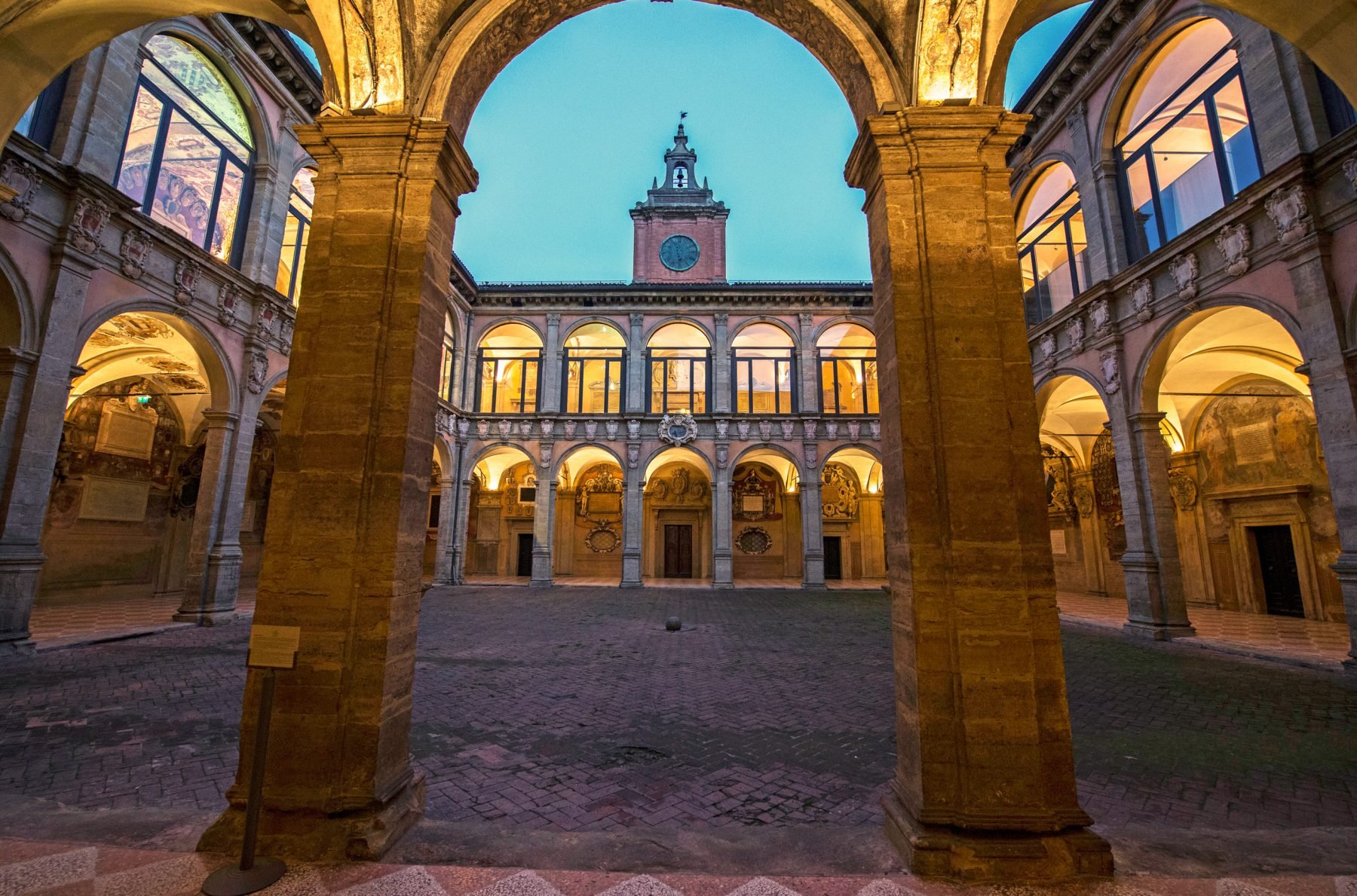
A 2025 study by the University of Bologna found that ancient oak groves in central Italy are serving as critical habitats for species linked to medieval ecosystems, according to a report published in Ecological Archives.
The Role of Ancient Oaks in Biodiversity
The research, led by Dr. Marco Ferrante, focused on 12th-century oak forests in the Apennine Mountains, where conservationists have documented the return of species like the Iberian lynx and black stork. "These trees act as living archives," Ferrante said. "Their root systems and canopy structures support microhabitats that mirror conditions from centuries ago." The study identified 47 plant and animal species previously thought to have vanished from the region, including the rare Lycoperdon perlatum mushroom.
Recent Studies and Findings
The University of Bologna’s team used radiocarbon dating and DNA analysis of soil samples to trace the continuity of these ecosystems. They found that oaks older than 500 years host unique fungal networks, which may have facilitated nutrient cycles similar to those described in medieval agricultural texts. "The data suggests these forests have maintained ecological functions despite centuries of human activity," said Dr. Anna Ricci, a co-author. The findings align with a 2024 EU report on rewilding strategies, which highlighted Italy’s oak forests as "key to restoring pre-industrial biodiversity corridors."
Challenges and Future Steps
Conservationists face hurdles in protecting these sites from urban expansion and climate change. In 2025, the Italian Ministry of Ecological Transition proposed stricter regulations for logging in areas surrounding the ancient oaks, but the policy remains under review. Local groups, including the Alpine Biodiversity Initiative, argue that "without immediate legal safeguards, these ecosystems risk fragmentation within a decade," according to a statement released in March 2026.

Why It Matters
The study underscores the interplay between historical land use and modern conservation. Medieval monastic records, which detailed forest management practices, are now being cross-referenced with satellite imagery to map ecological continuity. "This isn’t just about preserving trees," said Dr. Ferrante. "It’s about understanding how human and natural systems co-evolved." The research could influence EU rewilding policies, as outlined in a May 2026 draft document outlining priorities for "cultural-ecological heritage The study's findings could inform more effective conservation strategies that balance human and natural systems, potentially leading to the protection of valuable ecological heritage sites across Europe.
Find more reporting in our Tech section.
