
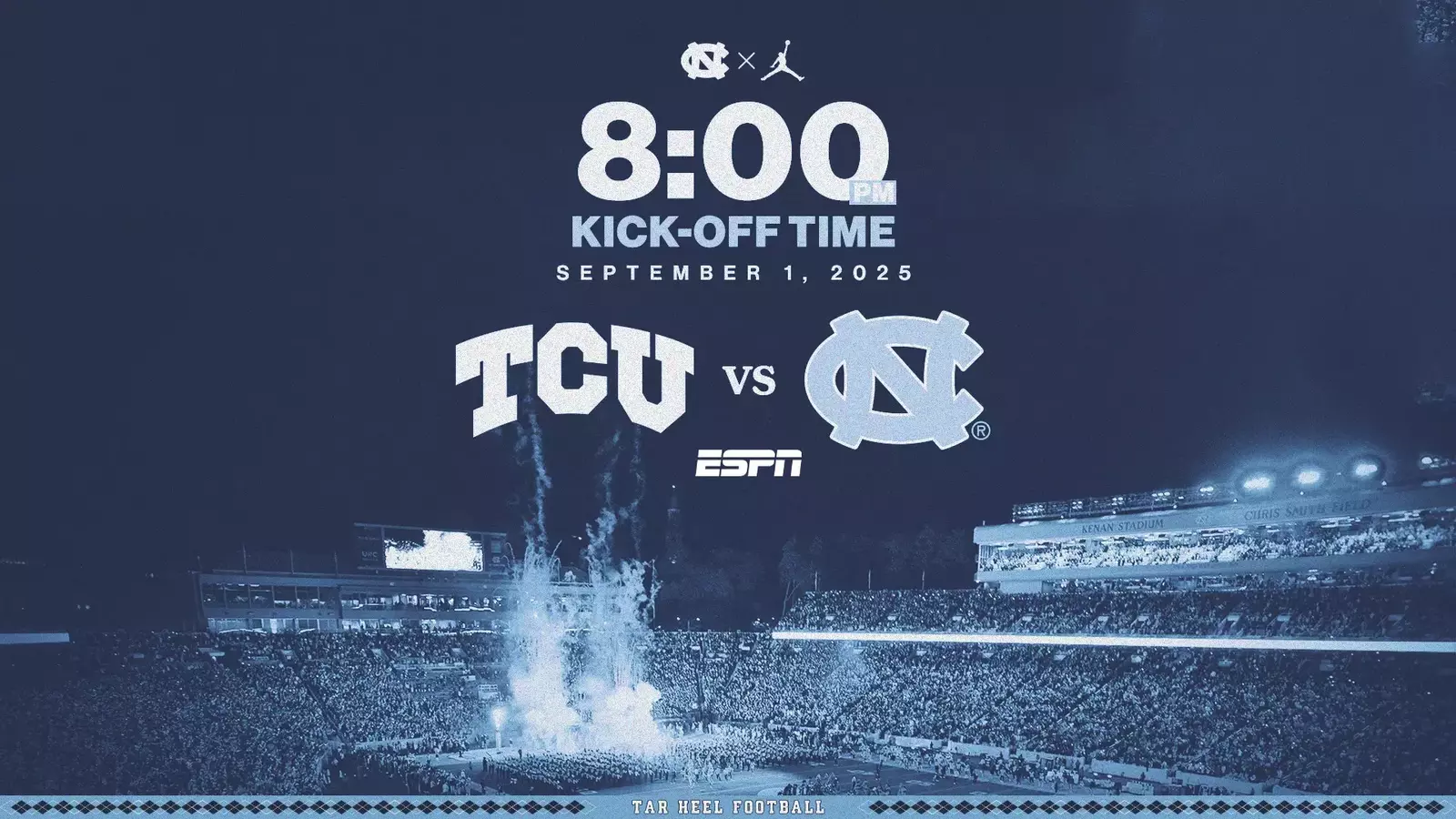
College football on Monday nights? It’s not just a thought anymore, but a burgeoning reality as exemplified by the North Carolina Tar Heels hosting TCU. This article explores the drivers behind this shift in college football’s scheduling landscape, examining the impact of television revenue and strategic marketing on the game we love. Discover how “Monday Night College Football” could reshape the fan experience and the future of the sport.
Monday Night Lights: College Football’s Shifting Landscape
Table of Contents
Teh declaration of the North Carolina Tar Heels hosting TCU on a Monday night signals a subtle yet significant shift in the college football landscape. While the sport has long been synonymous with Saturday afternoons, the scheduling of games on weekdays, particularly mondays, is a trend worth watching. This move, driven by television contracts and strategic marketing, could reshape how fans experience the game.
Why monday Night Football? The Drivers Behind the Change
The primary catalyst for Monday night games is television revenue. Networks are constantly seeking prime-time slots to maximize viewership and advertising dollars. monday nights, traditionally dominated by professional football, offer a new possibility to showcase college teams and attract a broader audience. This is especially true for games featuring high-profile teams or intriguing matchups.
Consider the impact of ESPN, the network broadcasting the North Carolina vs. TCU game. Securing a Monday night slot allows them to diversify their programming and possibly capture viewers who might not otherwise tune in on a Saturday.this strategy is not new; the NFL has successfully leveraged Monday nights for decades, and college football is now following suit.
Did you know? The first monday night college football game was not the North Carolina vs. TCU game. Other teams have experimented with weekday games in the past, but this is a growing trend.
The Impact on Players and Fans
Shifting games to weekdays presents both challenges and opportunities.For players,it can disrupt their weekly routines,impacting practise schedules and recovery time. However, it also provides a unique experience and exposure that can benefit their careers.
For fans, Monday night games offer a different viewing experience. They might require adjustments to travel plans and game-day rituals. However, the novelty of a weekday game can also generate excitement and create a memorable atmosphere. The success of thes games will depend on how well the teams and the networks cater to the needs of both players and fans.
Pro Tip: If you’re planning to attend a Monday night game, book your travel and accommodation well in advance. Consider the potential for traffic and adjust your schedule accordingly.
Past Context: A look Back at Weekday Games
While Monday night games are relatively new in college football, weekday games are not. The provided article mentions North Carolina’s history with weekday openers, dating back to the early 20th century. These instances, though rare, highlight the versatility of scheduling and the willingness to experiment with different game times.
The 2011 Independence Bowl, also mentioned in the article, provides a recent exmaple of a Monday game. These historical precedents offer valuable insights into how teams and fans have adapted to non-Saturday games in the past.
The Future of College football Scheduling
The trend of scheduling games on weekdays is likely to continue. As television contracts evolve and the demand for content increases, we can expect to see more games on Mondays, Thursdays, and even other weekdays. This shift will require careful consideration of player welfare, fan experience, and the overall health of the sport.
The success of these games will depend on several factors, including the quality of the matchups, the marketing efforts of the networks, and the willingness of fans to embrace a new game-day experience. the North Carolina vs. TCU game will serve as an early test case,providing valuable data and insights for the future.
Frequently Asked Questions
- Why are more college football games being played on Mondays? Primarily for increased television revenue and to diversify programming.
- How does this affect players? It can disrupt their routines but also provide unique exposure.
- What about fans? It requires adjustments to game-day plans but can create a memorable experience.
- Will this trend continue? Yes, it’s likely to grow as television contracts evolve.
What are your thoughts on Monday night college football? Share your opinions and predictions in the comments below! Let’s discuss the future of the game!
