
US and Iran Agree to Two-Week Ceasefire as Strait of Hormuz Reopens
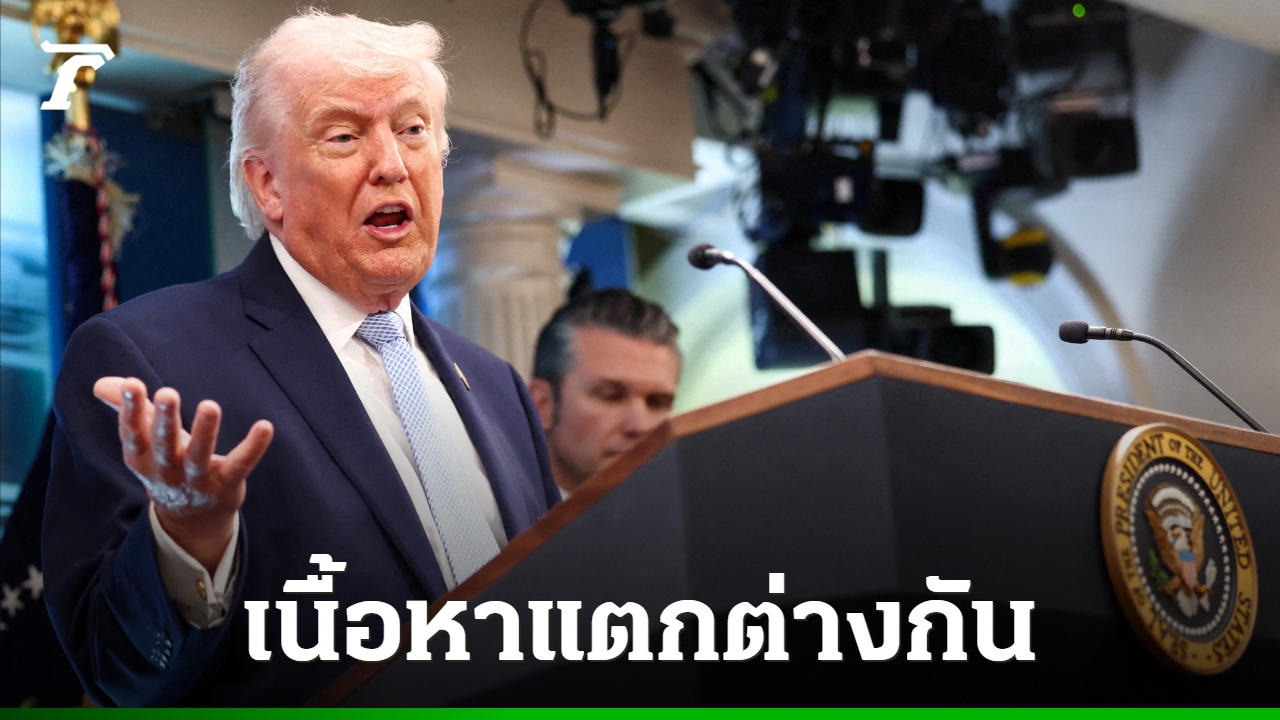
A critical global maritime artery has been reopened following a last-minute agreement between the United States and Iran to halt hostilities for two weeks. The deal, announced by U.S. President Donald Trump, comes as a fragile reprieve in a conflict that has threatened to destabilize global energy markets.

The ceasefire was reached just one hour before a strict deadline set by President Trump for 8:00 p.m. On April 7, 2026, Washington time. Prior to the agreement, the U.S. President had threatened to launch devastating strikes against Iranian bridges and energy infrastructure, warning that the Iranian regime could face collapse and the nation’s civilization could be endangered if a satisfactory deal was not reached.
As a primary condition of the truce, Iran has agreed to reopen the Strait of Hormuz. Iranian Foreign Minister Seyed Abbas Araghchi confirmed that Iranian forces will coordinate efforts to ensure the safe passage of vessels through the waterway during the 14-day window. The development underscores the extreme volatility of the region, as the Strait of Hormuz is the world’s most vital oil transit point, handling approximately one-fifth of the global supply of crude oil.
The diplomatic breakthrough was facilitated by Pakistani Prime Minister Shehbaz Sharif, who acted as a mediator. Following the announcement, Sharif expressed his appreciation for the “wise” decision and invited representatives from both the United States and Iran to visit Pakistan for further negotiations in Islamabad, aiming to establish a permanent end to the conflict.
Despite the ceasefire, significant diplomatic friction remains. U.S. Officials have indicated that the peace plan publicly announced by Iran differs from the version received by President Trump. The United Arab Emirates has requested formal clarification regarding the specific terms of the ceasefire agreement.
On the international stage, China has moved to expand its role as a global mediator, calling for a definitive and total end to the war in Iran. Meanwhile, the White House has revealed it is preparing to hold discussions regarding revenue generation related to the Strait of Hormuz.
This tension follows a period of severe escalation. On March 2, 2026, Ibrahim Jabari, an advisor to the commander of the Islamic Revolutionary Guard Corps (IRGC), warned via state television that Iran would “set fire to anyone” attempting to pass through the strait, stating that those entering the region would face a “severe response.”
The current ceasefire represents a critical window for diplomacy, though the discrepancy in peace plans and the demands for clarification from regional neighbors suggest that a permanent resolution remains uncertain.
