

US-Iran Maritime Tension Mounts as Lebanon and Israel Agree to Direct Talks
Preliminary discussions between Israel and Lebanon concluded in Washington on Tuesday, April 14, 2026, with both parties agreeing to engage in direct talks. The diplomatic progress comes amid a volatile regional climate characterized by ongoing military clashes and a high-stakes naval confrontation between the United States and Iran.
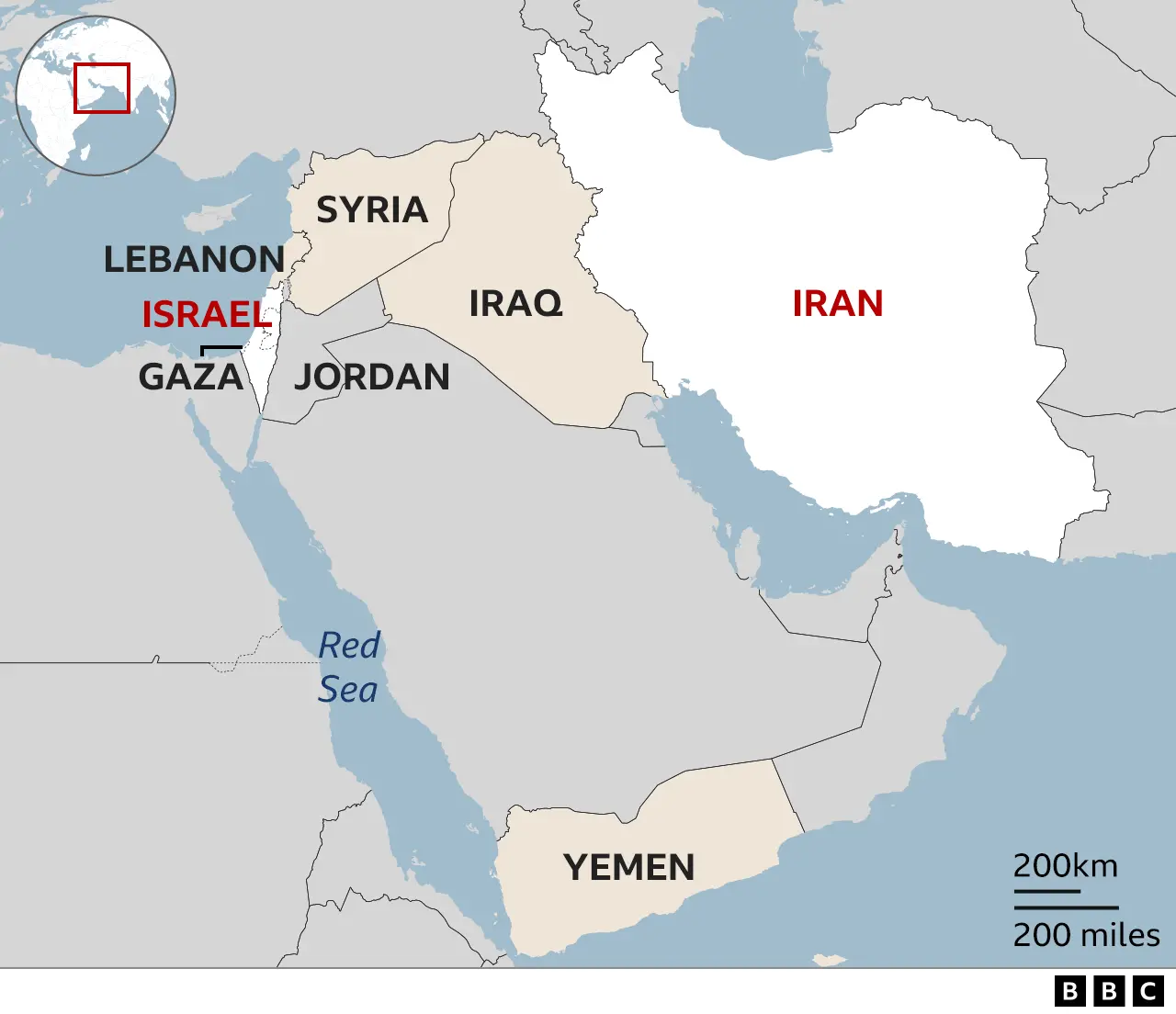
The agreement to move toward direct negotiations underscores a critical diplomatic effort to stabilize the border, though violence continues to flare on the ground. According to the Lebanese News Agency, an Israeli raid on the town of Al-Abbasiya in southern Lebanon resulted in two deaths. Simultaneously, Israeli Channel 14 reported that an armored brigade commander sustained serious injuries in southern Lebanon, an incident the Israeli military confirmed is currently under investigation.
While diplomatic channels are opening in Washington, tensions in the Persian Gulf have escalated following the implementation of a comprehensive U.S. Naval blockade of Iranian ports. The blockade entered full effect on Monday, April 13, 2026, at 10:00 AM Eastern Standard Time (14:00 GMT).
The U.S. Central Command (CENTCOM) maintains that the operation has been successful, asserting that no vessels managed to break the blockade within the first 24 hours. Military officials stated that the operation is supported by more than 10,000 personnel, along with dozens of warships and aircraft.
Still, the effectiveness of the maritime restriction is being questioned. Shipping data analyzed by the BBC suggests a different reality, indicating that several vessels successfully navigated the Strait of Hormuz after the blockade began. Reports show that at least four ships—including two that had visited Iranian ports—crossed the strait on Tuesday, April 14, 2026. An additional three vessels with no ties to Iran were also observed crossing the strait after the Monday deadline.
Security analysts, including BBC security correspondent Frank Gardner, suggest that a lack of readiness and interference with transceivers may have contributed to the discrepancies between official military reports and actual shipping movements. This development underscores the growing regional tensions as the international community monitors whether diplomatic breakthroughs in Lebanon can coexist with escalating military pressure on Iran.
