
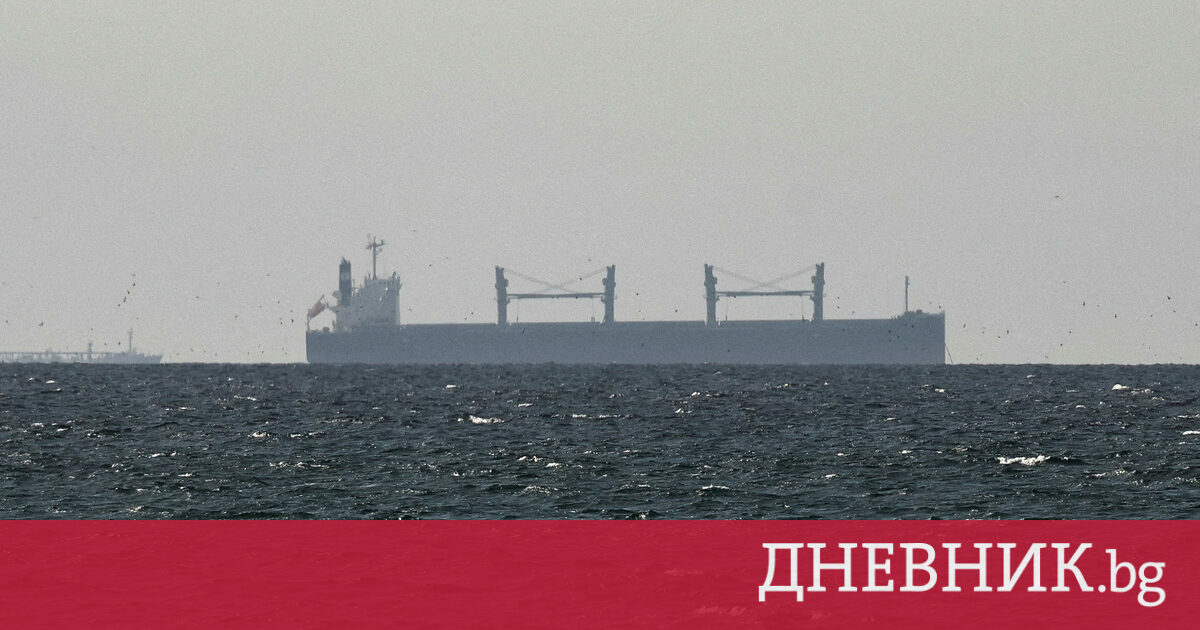
France and the United Kingdom are coordinating an international effort to secure the Strait of Hormuz, proposing a multinational mission to restore freedom of navigation independent of U.S. Military operations.
French President Emmanuel Macron announced on April 13, 2026, that France and the UK will convene a security meeting in the coming days to organize a joint response to the crisis. The conference, which will be co-chaired by Macron and British Prime Minister Keir Starmer in Paris, aims to assemble nations ready to contribute to a multinational peace mission designed to reopen the strategic waterway.
According to Macron, the proposed initiative is “strictly defensive” and will remain separate from the warring parties involved in the regional conflict. The mission is intended to be deployed as soon as circumstances permit. This move suggests that Europe is developing a post-war framework to ensure the freedom of the strait without direct integration into U.S. Efforts.
The diplomatic push comes as tensions escalate following U.S. President Donald Trump’s announcement of a naval blockade of the Strait of Hormuz, which was scheduled to take effect on April 13, 2026, after negotiations between the U.S. And Iran failed. Even as the U.S. Has taken a hardline stance, reports indicate that the United Kingdom will not participate in the blockade.
The instability in the Persian Gulf is mirrored by other global flashpoints. President Trump has further threatened China with 50% tariffs if Beijing provides military assistance to Iran. Simultaneously, the international community is monitoring the expiration of the Easter truce between Russia and Ukraine, which officially ended on April 13, 2026.
The move by France and the UK underscores a growing effort to maintain global trade arteries through diplomatic and defensive means, highlighting the critical importance of the Strait of Hormuz to international energy security. The outcome of the upcoming Paris conference could significantly influence the trajectory of diplomatic talks in the Middle East.
