
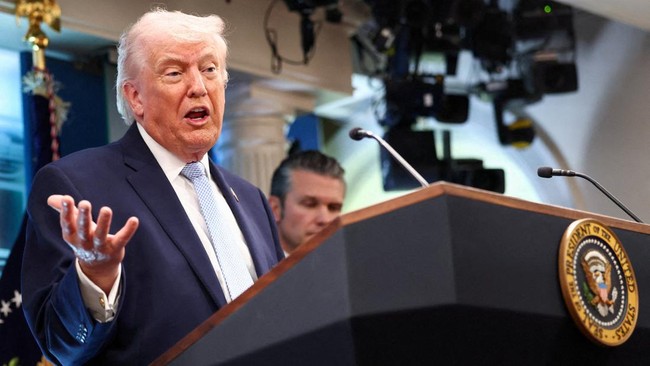
Tensions between the United States and Iran have reached a critical juncture as a U.S. Blockade of the Strait of Hormuz continues to disrupt global energy markets and strain diplomatic alliances. Although U.S. President Donald Trump has expressed optimism that the American economy can withstand the fallout from the conflict, the geopolitical and economic ripples are being felt worldwide.
According to reports from AP News, President Trump indicated on April 14, 2026, that diplomatic talks between the U.S. And Iran could resume within two days. These potential negotiations come as diplomats attempt to organize a second round of talks during the first full day of the American blockade. This development underscores the volatility of the region, where the prospect of dialogue exists alongside active military and economic pressure.
The blockade has had an immediate impact on global commerce. Oil prices and distribution costs continue to climb, prompting the International Energy Agency (IEA) to signal its readiness to release additional oil from its strategic reserves if necessary to stabilize the market. The situation in the Strait of Hormuz is particularly precarious, as the waterway remains a vital artery for global energy supplies.
Domestically, the conflict is weighing heavily on the American public. Data indicates that nearly 70 percent of U.S. Citizens are concerned about the escalating conflict with Iran. Despite this widespread anxiety, the Trump administration maintains that the U.S. Economy is resilient enough to weather the impact of the war.
The geopolitical landscape is shifting as Iran continues to challenge U.S. Influence. Observers note that the U.S. Is facing increasing pressure as some of its allies begin to distance themselves, potentially weakening the American position in the region. This shift in alliances could significantly influence the outcome of any future diplomatic agreements.
In a related diplomatic effort, Lebanon and Israel are conducting their first direct talks in decades in Washington. Still, the stability of such agreements remains uncertain, as a Hezbollah official has stated that the group will not abide by any deals resulting from the Lebanon-Israel negotiations.
