
US-Iran Naval Standoff Escalates as Tehran Claims Blockade Breach
Tensions in the Persian Gulf and Arabian Sea have reached a critical point as the United States intensifies a naval blockade against Iran, resulting in a clash of narratives over the effectiveness of the maritime operation.
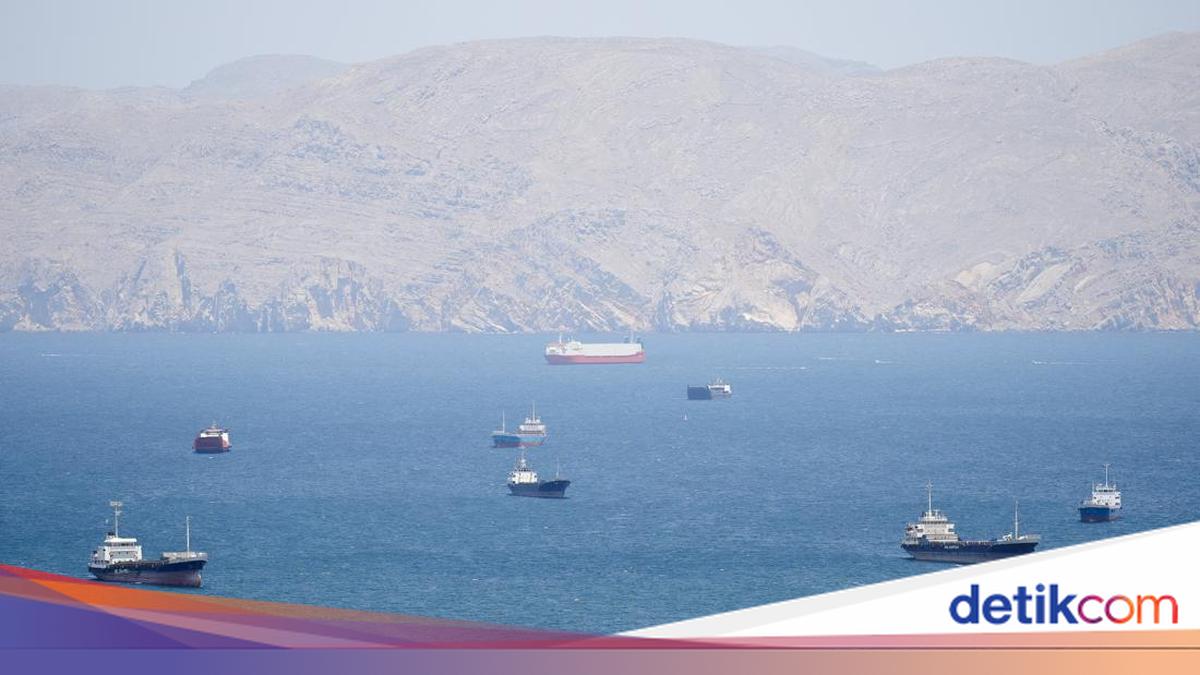
The U.S. Military has significantly ramped up its presence, intercepting merchant vessels in the Arabian Sea and maintaining a strict blockade in the Strait of Hormuz. According to reports, U.S. Warships have forced Iranian oil tankers to turn back and have redirected at least 42 vessels in an effort to seal off the waterway.
Though, Tehran has challenged the effectiveness of these measures. Iranian officials claim that 52 of its ships successfully broke through the U.S. Blockade within a 72-hour window, suggesting that the naval siege is not absolute.
To circumvent international pressure, Iran has reportedly adopted unconventional maritime strategies. The nation has utilized “floating gas stations” to deceive U.S. Sanctions, allowing the country to continue generating revenue through ship-to-ship transfers in open waters.
This ongoing maritime confrontation underscores the volatility of global energy transit routes and the escalating struggle between U.S. Enforcement and Iranian evasion tactics. The development could further influence regional stability and the flow of international trade through one of the world’s most critical chokepoints.
