
As the conflict in Ukraine enters its fourth year,the United States and Russia are reportedly engaged in behind-the-scenes negotiations to forge a potential peace agreement. Reports emerging Wednesday indicate a U.S.-led proposal involving meaningful concessions from Kyiv,including territorial cession and demilitarization,raising concerns among European allies about a path to resolution that doesn’t fully account for Ukrainian sovereignty [[1]]. The initiative follows a history of failed peace talks, with previous sticking points including Ukraine’s aspirations to join NATO [[2]], and comes amid ongoing U.S. military consultations with Ukrainian officials [[3]].
Washington and Moscow are reportedly engaged in secret negotiations to find a resolution to the ongoing conflict in Ukraine, according to a report revealed Wednesday, November 19, 2025, by the U.S. news outlet Axios. The discussions come as the war enters its fourth year, with no immediate end in sight.
The proposed plan, as outlined in reports, would require Ukraine to cede territory to Russia and significantly reduce the size of its armed forces – halving its military personnel. It also calls for Ukraine to relinquish its long-range weaponry, according to details emerging from the negotiations.
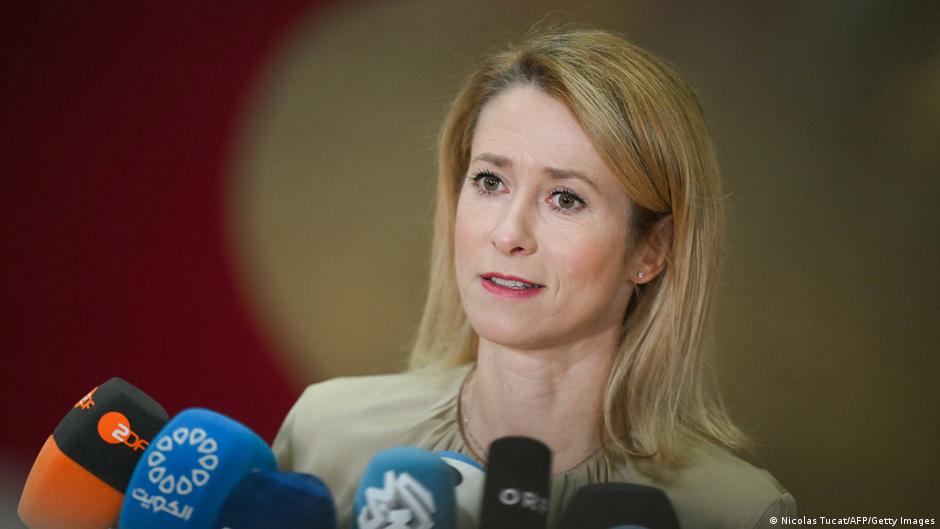
European officials have reacted cautiously to the reported plan, emphasizing the need for Ukraine and European nations to be fully involved in any potential agreement. “For a plan to work, the involvement of Ukrainians and Europeans is absolutely necessary,” stated European Union High Representative for Foreign Affairs and Security Policy Kaja Kallas to reporters in Brussels.
Kallas underscored the fundamental dynamic of the conflict, stating, “We have to understand that in this war, there is an aggressor and a victim. Russia could end the war immediately if it stops bombing and killing, but we have not seen any concessions… We haven’t heard of any concessions from the Russian side.”
A Potential Capitulation?
The U.S.-led proposal appears to align with longstanding demands from Russia, which Ukraine has consistently rejected as a demand for surrender. Kallas indicated that, to her knowledge, neither Ukraine nor its European allies had contributed to the development of the plan.
“Peace cannot be capitulation,” added French Foreign Minister Jean-Noël Barrot upon arriving in Brussels for a meeting with his EU counterparts. “The Ukrainians will always reject any form of capitulation,” he insisted, reiterating that European nations support the principle of a “just” and “lasting” peace. The development underscores the deep divisions within the international community regarding a path forward in Ukraine.
German Concerns
German officials have also expressed unease regarding the reported peace plan. Thorsten Frei, Chief of Staff to the German Chancellor, voiced concerns that the plan could allow Russian President Vladimir Putin to achieve his objectives through negotiation rather than military force.
“It gives the impression that Putin could achieve his objectives in the war that he cannot achieve on the battlefield. And that, certainly, would be an unacceptable outcome,” Frei said in an interview with German television network ‘ntv’. He described the reports as “disturbing,” adding that the initiative lacks “credibility” given the current situation on the ground.
ms (afp/reuters)
