
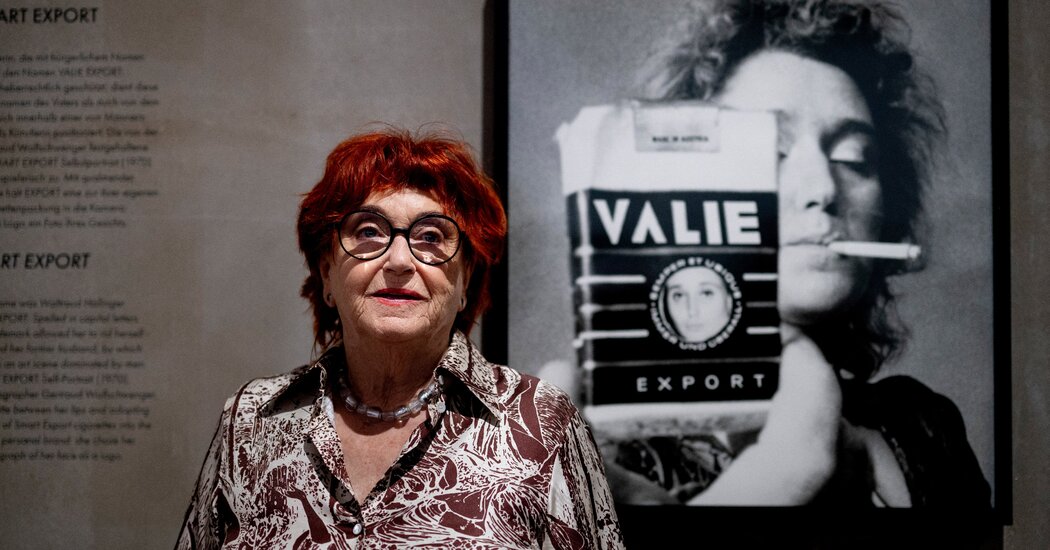
Valie Export, the Austrian performance artist and filmmaker whose provocative body-based works challenged patriarchal norms and redefined feminist art, died on May 14 in Vienna at age 85, three days before her 86th birthday. The New York Times reported her death on May 15, while The Guardian noted it occurred on May 14, citing her foundation’s announcement. Her longtime gallerist, Thaddaeus Ropac, stated she died from complications following a fall at her home in the Austrian capital.
Defining Moments: “Action Pants: Genital Panic” and “Tap and Touch Cinema”
Export’s most iconic works emerged in the late 1960s, dismantling societal taboos around female autonomy and sexual objectification. In 1968, she staged “Action Pants: Genital Panic,” walking into a Munich cinema wearing crotchless pants and declaring, “Now you will see in reality what you normally see on the screen.” The Guardian highlighted the piece’s radical intent: to “challenge the voyeurism of cinema.” A photo from the year later depicted her in an all-black outfit paired with a machine gun, underscoring the work’s unflinching confrontation of power dynamics.
Her 1968 performance “Tap and Touch Cinema” further cemented her legacy. Strapping a cardboard “cinema” to her chest, she invited passersby in Vienna’s city center to touch her bare breasts through a curtain. The Guardian described the collaboration with artist Peter Weibel, who rallied crowds via megaphone and timed each “action” with a stopwatch. “This was not just art—it was a direct, visceral challenge to the male gaze,” said Thaddaeus Ropac, her gallerist, in a statement cited by The Guardian.
Name as a Statement: From Waltraud Lehner to Valie Export
Export’s decision to adopt the name “Valie Export” in 1967 was itself a political act. Born Waltraud Lehner in 1940 in Linz, she rejected her father’s and ex-husband’s names, explaining, “I did not want to have the name of my father [Lehner] any longer, nor that of my former husband Hollinger.” The Guardian noted the surname’s origin as a nod to a cigarette brand, while the name “Valie” derived from her childhood nickname. This renaming symbolized her break from patriarchal structures, a theme that permeated her art.
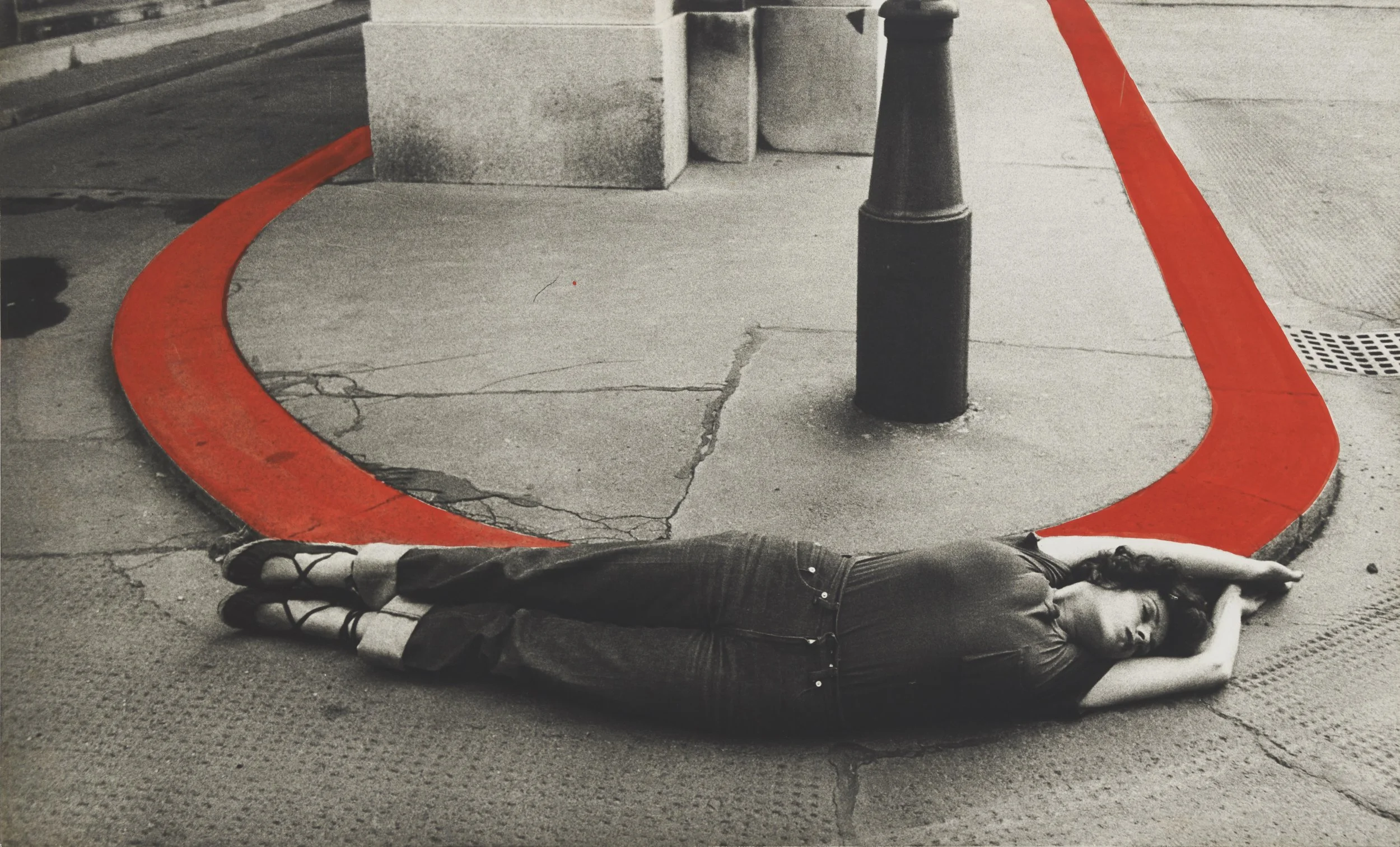
Her early life, as detailed by The Guardian, included a convent education and a brief marriage that ended when she left her daughter in temporary care to pursue art in Vienna. “I thought: this is not my life, being married and a mother,” she told The Guardian in 2019, reflecting on the sacrifices that enabled her radical career.
Legacy and Influence: From Vienna to the Venice Biennale
Export’s impact extended beyond performance art. She co-founded the Austrian Filmmakers Cooperative in 1968 and became a fixture in global exhibitions, including documenta 6 (1977) and 12 (2007). In 1980, she and Maria Lassnig made history as the first women to represent Austria at the Venice Biennale. Her 1980 piece “Geburtenbett (Birth Bed)”—a neon-lit, oversized female abdomen with a TV broadcasting a Catholic mass—exposed the contradictions of female fertility and religious control.
The Guardian emphasized her role as a “visionary feminist artist,” with Ropac stating, “Her pioneering work continues to be of such great urgency.” Her influence is evident in contemporary artists who grapple with gender, identity, and institutional power, as noted in retrospectives at venues like the Centre Pompidou and the Belvedere Museum.
Death and Lasting Impact
Export’s death has sparked tributes from the art world, with The Guardian quoting Ropac’s assertion that she “influenced artists across generations.” Her work remains a touchstone for discussions on body politics, with institutions like the MAK Center for Art and Architecture and C/O Berlin Foundation continuing to showcase her pieces. As The New York Times noted, her art “confronted the misogyny of mass media and society at large with the undeniable truth of her own body.”
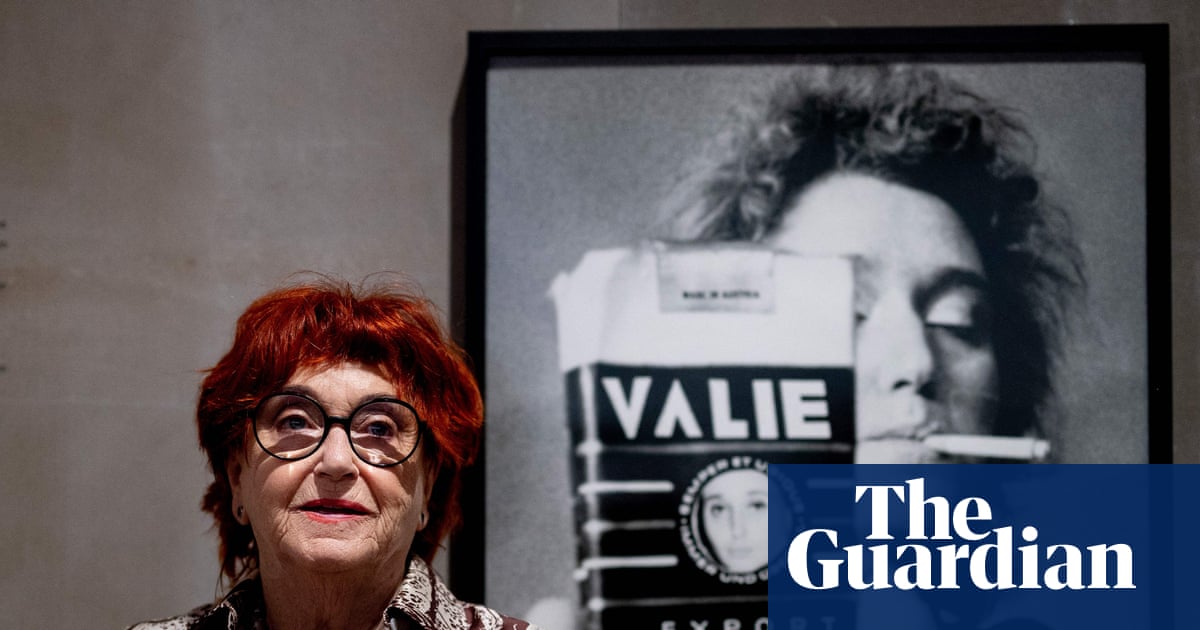
For those who knew her, Export’s legacy is one of unyielding defiance. “Valie was one of the most visionary feminist artists to emerge in Europe in the second half of the 20th century,” Ropac said, a sentiment echoed by critics and peers alike. Her passing marks the loss of a singular voice, but her work ensures her presence endures.
