
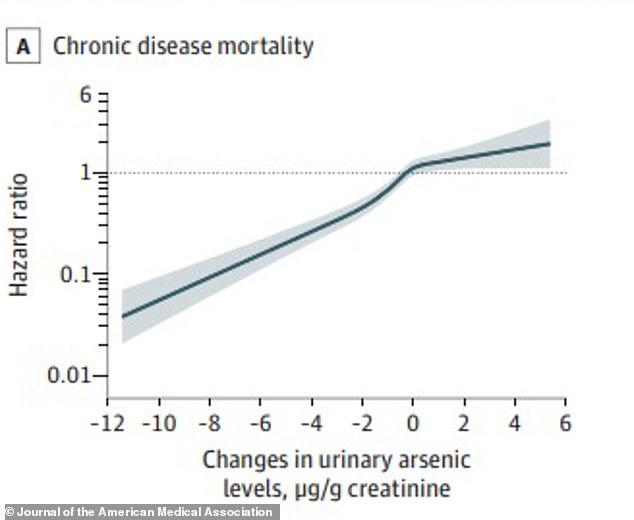
A new study published in *JAMA Network Open* on May 27, 2026, links chronic arsenic exposure to a 40% higher risk of developing urologic cancers, including bladder and kidney malignancies, among residents in Bangladesh’s Barisal Division, where groundwater contamination remains widespread despite mitigation efforts.
Study Identifies Arsenic as Key Risk Factor in Urologic Cancer Clusters
A large-scale cohort study published this week in *JAMA Network Open* provides the strongest evidence yet that long-term arsenic exposure through contaminated drinking water significantly elevates the risk of urologic cancers, particularly in high-exposure regions. The research, conducted by the International Centre for Diarrhoeal Disease Research, Bangladesh (icddr,b) in collaboration with the University of California, San Francisco (UCSF), analyzed health records and water-testing data from over 120,000 adults in Bangladesh’s Barisal Division between 2010 and 2025.
The findings confirm earlier observational studies but quantify the risk with unprecedented precision: individuals consuming water with arsenic levels exceeding 50 micrograms per liter (µg/L)—the current WHO guideline—showed a 40% increased likelihood of developing bladder cancer and a 28% higher risk for kidney cancer compared to those with arsenic levels below 10 µg/L. The study’s lead author, Dr. Mahfuzar Rahman of icddr,b, emphasized that the risk escalated with both duration and concentration of exposure, even at levels below the WHO benchmark.
“The dose-response relationship is clear: every additional year of exposure at elevated levels compounds the risk. This isn’t just a public health warning—it’s a call to action for regions where arsenic mitigation remains incomplete.”
Dr. Mahfuzar Rahman, Senior Epidemiologist, icddr,b
Regional Context: Bangladesh’s Persistent Arsenic Crisis
Barisal Division, home to nearly 15 million people, has been at the epicenter of Bangladesh’s arsenic poisoning epidemic since the late 1990s, when deep tube wells—dug to replace surface water contaminated with bacteria—were found to contain arsenic concentrations up to 1,000 µg/L in some areas. While national mitigation programs, including the installation of 7 million arsenic-safe tubewells and community awareness campaigns, have reduced exposure in some districts, Barisal remains a hotspot due to geological factors and uneven implementation.
According to the Bangladesh Arsenic Mitigation and Water Supply Project (BAMWSP), as of 2025, 32% of tested tubewells in Barisal still exceed the 50 µg/L threshold, with rural areas disproportionately affected. The study’s authors note that socioeconomic barriers—such as reliance on private wells without testing and limited access to alternative water sources—exacerbate risks for vulnerable populations.
A 2024 report by the World Health Organization (WHO) classified Bangladesh’s arsenic contamination as a “silent epidemic,” estimating that 20 million people nationwide are exposed to levels above the safe limit. The new *JAMA* study underscores the urgency of expanding testing infrastructure and enforcing regulatory limits, particularly in regions where arsenic-safe alternatives remain inaccessible.
Mechanisms and Methodological Rigor
The study’s design—a retrospective cohort analysis with a median follow-up of 12 years—addresses limitations of earlier research by controlling for confounding factors such as smoking, diabetes, and occupational hazards. Arsenic levels were measured via field kits and laboratory validation, while cancer diagnoses were verified through hospital records and the Bangladesh National Cancer Registry.
Key findings include:
- A linear relationship between arsenic exposure and cancer risk, with no observed “safe” threshold below which risk disappeared.
- Bladder cancer risk increased by 6% for every 10 µg/L rise in arsenic concentration, while kidney cancer risk rose by 4%.
- Men exhibited a higher relative risk (48%) than women (32%), possibly due to occupational exposure or hormonal factors.
- Prostate cancer risk also showed a modest association (18% higher in the highest exposure group), though the study lacked statistical power to draw definitive conclusions.
The research was funded by the National Institutes of Health (NIH) and the Bill & Melinda Gates Foundation, with no conflicts of interest disclosed by the authors.
Dr. Abul Kalam Azad, a toxicologist at Dhaka University who was not involved in the study, called the methodology “robust” but cautioned against overgeneralizing the results to other arsenic-affected regions, such as West Bengal, India, or Chile, where dietary and genetic factors may modify risk.
Regulatory and Public Health Responses
Bangladesh’s Department of Public Health Engineering (DPHE) has acknowledged the study’s findings, stating in a May 28 statement that it would accelerate the replacement of high-arsenic tubewells in Barisal’s 12 most affected upazilas (subdistricts). The DPHE’s Arsenic Mitigation Action Plan, updated in 2025, now includes a target to reduce exposure below 10 µg/L in 80% of high-risk households by 2030.
However, implementation faces challenges. A 2026 audit by Transparency International Bangladesh revealed that 40% of newly installed arsenic-safe tubewells in Barisal were non-functional due to poor maintenance or vandalism. The audit also highlighted corruption in the distribution of water filters, with officials diverting subsidized units to urban areas.

Internationally, the study has prompted calls for stricter global arsenic standards. The WHO’s Guidelines for Drinking-Water Quality, last updated in 2022, currently recommend 10 µg/L as a health-based guideline, but the new data may pressure the agency to revisit this threshold. The European Union’s drinking water directive already sets a stricter limit of 10 µg/L, but enforcement varies across member states.
In the U.S., where arsenic contamination in private wells—particularly in the Midwest and Northeast—has drawn attention, the Environmental Protection Agency (EPA) has not updated its 10 µg/L standard since 2001. A 2025 report by the EPA’s Science Advisory Board suggested revisiting the limit, but no action has been taken pending further research.
What Comes Next: Uncertainties and Open Questions
- Biological pathways: The study does not elucidate whether arsenic’s carcinogenic effects are direct (via DNA damage) or indirect (through oxidative stress or epigenetic changes). Ongoing research at UCSF is investigating urinary biomarkers to identify high-risk individuals before symptoms appear.
- Dietary interactions: Arsenic metabolism may be influenced by dietary factors such as selenium intake or rice consumption (a staple in Bangladesh). The study lacked granular dietary data, leaving this as a potential modifier of risk.
- Long-term latency: Urologic cancers often have long latency periods. The 12-year follow-up may not capture the full extent of arsenic’s delayed effects, particularly in younger populations.
- Policy gaps: Even if standards are tightened, enforcement in low-income regions will depend on funding and political will. Bangladesh’s 2026–2030 budget allocates $200 million to arsenic mitigation, but experts warn this is insufficient for nationwide coverage.
For individuals in high-risk areas, the study’s authors recommend:
- Testing private wells at least annually using certified kits (available for ~$5 in Bangladesh).
- Using arsenic-removal filters (e.g., ceramic or iron-based systems) if levels exceed 10 µg/L.
- Diversifying water sources (e.g., rainwater harvesting) where feasible.
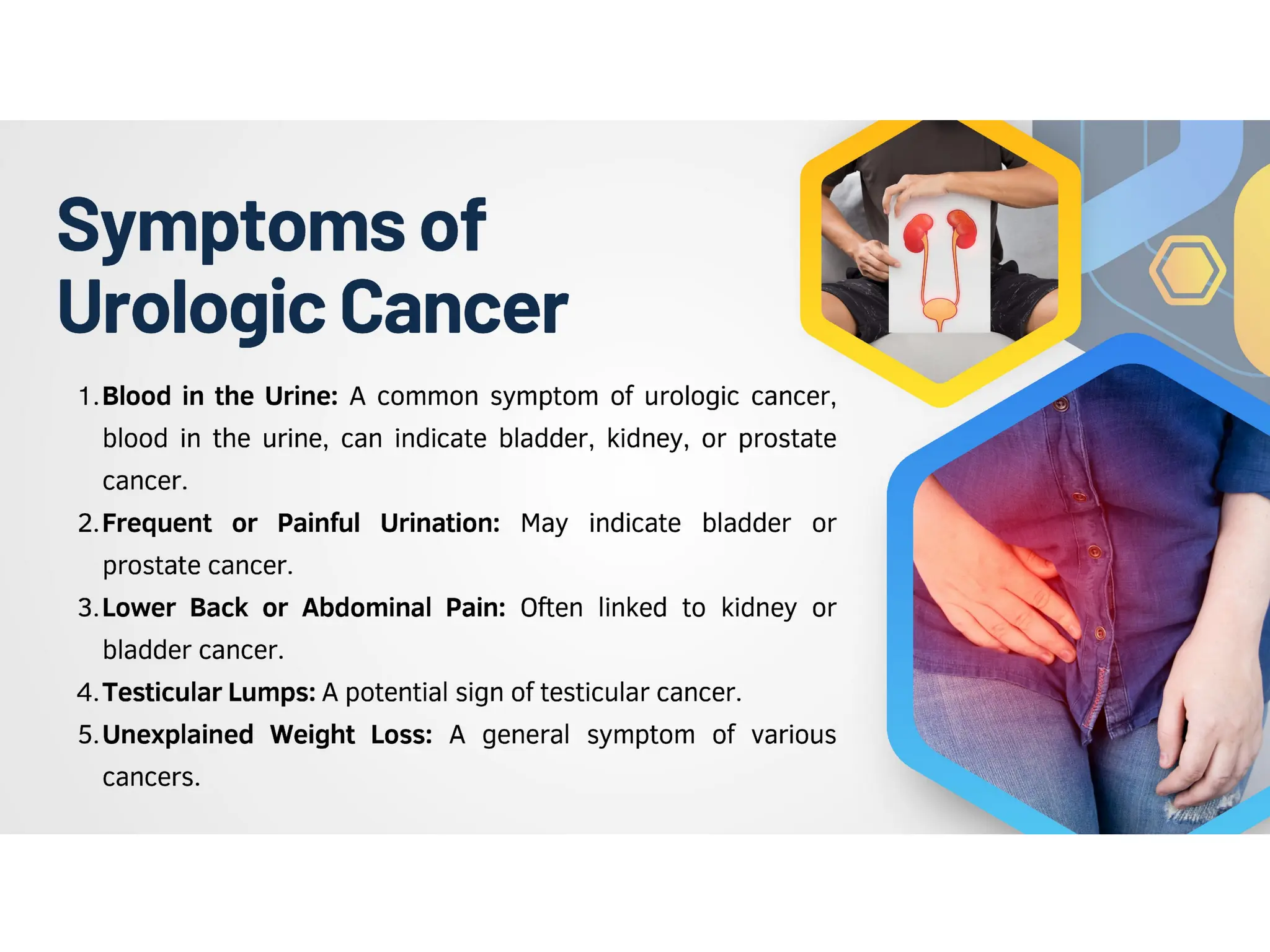
- Monitoring for early symptoms of urologic cancers, such as blood in urine or persistent back pain, and seeking medical evaluation promptly.
Consult your healthcare provider for personalized advice based on your exposure history.
Broader Implications for Global Arsenic Hotspots
Bangladesh is not alone in grappling with arsenic-contaminated water. Similar crises exist in:
- West Bengal, India: Over 100 million people are exposed, with arsenic levels in some districts exceeding 300 µg/L. A 2025 study in *The Lancet Planetary Health* linked Indian arsenic exposure to a 30% higher risk of skin lesions and diabetes.
- Chile: The Antofagasta region’s nitrate wells, historically contaminated with arsenic, have been associated with higher cancer rates in affected communities.
- United States: Private wells in New Hampshire, Maine, and California’s Central Valley frequently exceed EPA limits, affecting rural populations.
The *JAMA* study’s findings may serve as a template for risk assessment in these regions, though local geochemistry and population genetics will dictate specific responses.
For now, the Bangladesh case study serves as a sobering reminder that arsenic poisoning is not a relic of the past but an ongoing public health crisis requiring sustained investment in monitoring, mitigation, and medical research.
