
Once a defining feature of automobile design, the hood ornament-or radiator cap-has largely vanished from modern vehicles. These sculpted figures, from the iconic “Spirit of Ecstasy” to leaping jaguars, represented brand identity and a touch of personal flair for decades. But a confluence of factors, beginning with evolving safety standards in the 1960s, ultimately led to their decline, raising the question of whether progress has come at the cost of automotive character. This is the story of how and why these once-ubiquitous emblems disappeared from our roads.
For decades, the hood ornament wasn’t just a piece of metal affixed to a vehicle. It was a statement. Often featuring sculpted figures – a soaring woman, a leaping cat, or a radiant star – these embellishments, known as radiator caps or mascots, became defining features of automobiles from the 1940s through the 1960s.
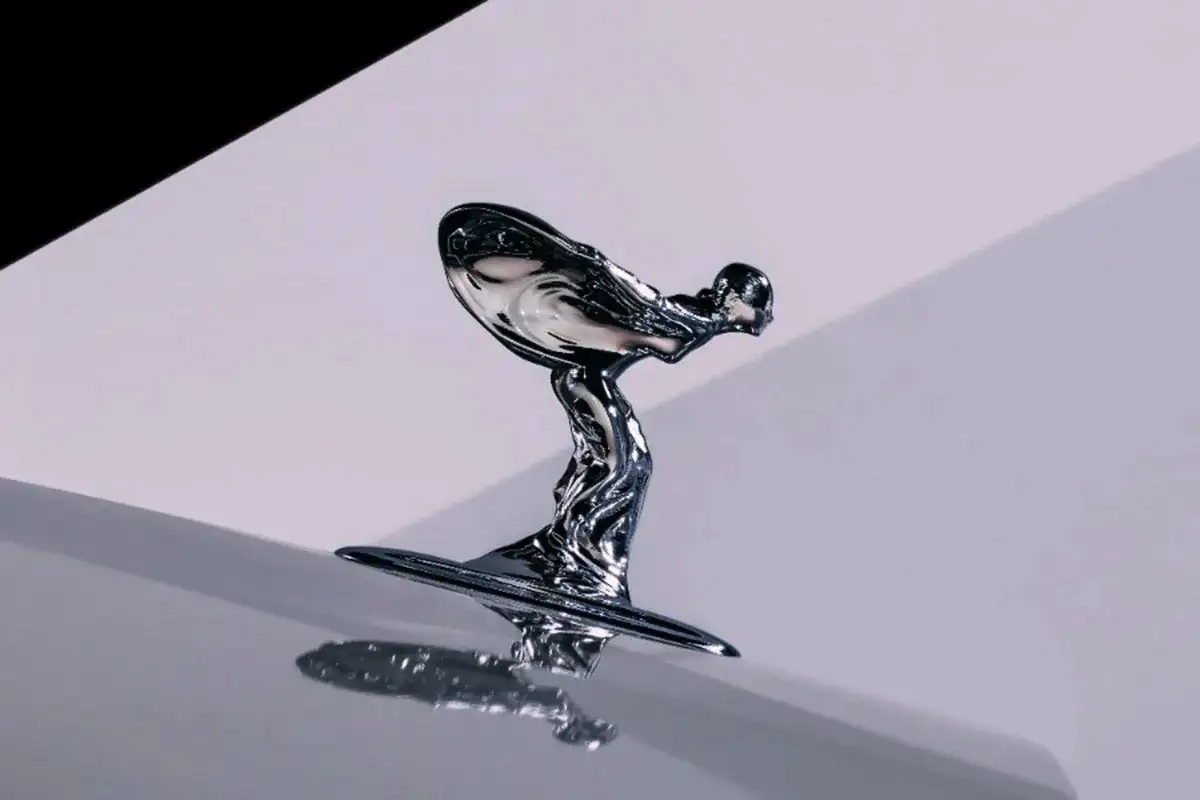
The “Spirit of Ecstasy” gracing Rolls-Royce vehicles, the jumping jaguar, the Mercedes-Benz star, and the Cadillac crest weren’t merely decorative. They signified brand prestige, owner status, and a degree of personal expression. Even into the late 20th century, these details could be found not only on luxury cars but also on more mainstream models.
But today, a lineup of modern cars reveals a stark contrast: hoods are sleek, uniform, and largely devoid of ornamentation. What happened to these iconic features?
A Golden Age Where Aesthetics Mattered as Much as Speed
Table of Contents
- A Golden Age Where Aesthetics Mattered as Much as Speed
- The First Blow: Safety Regulations That Left No Choice
- Aerodynamics: An Invisible, Yet Relentless, Adversary
- But the Real Reason Runs Deeper Than Safety and Aerodynamics
- Practical Considerations That Reinforced the Decision
- Why Nostalgia Persists
- Have Cars Become Better, But Colder?
During the 1940s to 1960s, the hood ornament was as important as the vehicle itself, communicating movement, speed, and elegance. The “Spirit of Ecstasy,” created in 1911, remains one of the most recognizable automotive symbols globally, a testament to its enduring impact.
Automotive design at the time prioritized emotional connection. Cars were shaped to evoke feelings, rather than simply meet technical specifications. The hood ornament served as a finishing touch, completing the vehicle’s character.
The First Blow: Safety Regulations That Left No Choice
The shift began in the 1960s as safety concerns gained prominence. In 1968, the United States implemented stringent regulations prohibiting rigid hood ornaments. Studies revealed these features could pose a danger to pedestrians in accidents, causing serious injuries.
Europe followed suit in 1974. From that point forward, hood ornaments were limited to designs that were soft, deformable, or automatically retractable in the event of a collision. While technologically feasible, this marked a decline in the romantic aesthetic.
Aerodynamics: An Invisible, Yet Relentless, Adversary
A second factor was aerodynamics. Modern vehicle design prioritizes efficiency, with every millimeter scrutinized. Even a small ornament creates air turbulence, increasing drag and potentially impacting fuel economy and high-speed stability.
As manufacturers competed to lower the aerodynamic drag coefficient (Cd), any protruding element became problematic. Hood ornaments simply couldn’t compete with the demands of optimized airflow.
But the Real Reason Runs Deeper Than Safety and Aerodynamics
While safety and aerodynamics contributed to the change, they weren’t the sole drivers. Manufacturers found solutions – retractable, concealed, or soft ornaments. However, a more fundamental shift occurred: a change in design philosophy.
Automotive design evolved towards minimalism, clean lines, and a focus on integrated form. Smooth surfaces, unbroken contours, and a futuristic aesthetic became the new standard. The hood ornament, once a symbol of elegance, began to appear as an anachronism – a relic of a bygone era.
Ultimately, consumer preferences and the direction of design finalized their fate.
Practical Considerations That Reinforced the Decision
Adding to these factors were economic realities. Hood ornaments increased production costs, a concern for mass-market manufacturers. They also became frequent targets for theft, with collectors removing them even from parked vehicles.
Furthermore, the ornaments collected dirt and required maintenance, while modern vehicles were designed for a “worry-free” ownership experience. These weren’t the primary reasons, but they contributed to the final decision.
Why Nostalgia Persists
Although hood ornaments disappeared from everyday traffic, they haven’t faded from collective memory. Vintage Mercedes stars or Jaguar figures can fetch hundreds or even thousands of euros today. Collectors actively seek them out, and some manufacturers have attempted to revive the tradition with limited-edition models.
However, this remains a niche market, a deliberate nod to the past rather than a widespread trend.
Have Cars Become Better, But Colder?
The decline of the hood ornament wasn’t accidental. Safety concerns prompted the change, aerodynamic demands reinforced it, and design evolution sealed its fate. Modern vehicles are safer, more efficient, and quieter than ever before.
However, they’ve also lost a degree of character. Perhaps that’s why, when we see an older car with a gleaming figure on its hood, we smile. It’s not just a piece of metal; it’s a reminder of a time when cars had a face – and a soul.
