
Following recent U.S. military actions targeting alleged drug trafficking vessels in the Caribbean, Venezuela‘s Sucre state is experiencing a important increase in security measures and a growing climate of fear among residents.The escalating tensions between Washington and caracas are impacting daily life in the region, already one of Venezuela’s poorest, where an estimated 80 fatalities have been reported in connection with the military campaign.This report details how increased surveillance and checkpoints are affecting communities and the local economy in the wake of the ongoing dispute.
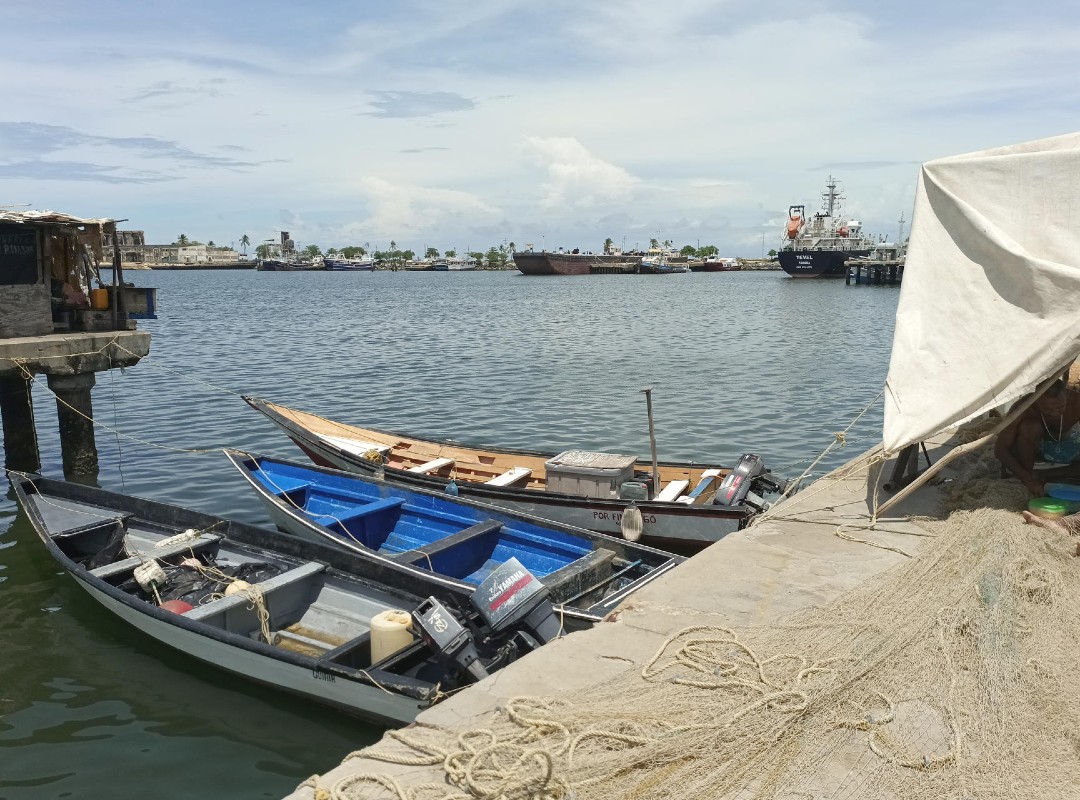
Increased security patrols and checkpoints are now in effect in Venezuela’s Sucre state following U.S. military strikes against vessels Washington claims were being used for drug trafficking. The escalating situation comes amid heightened tensions between the two countries and raises concerns about the impact on local communities.
Residents of the area report a climate of fear, an unusual security presence, and growing restrictions on daily life, according to a report by Reuters.
Sucre, one of Venezuela’s poorest regions, which extends toward Trinidad and Tobago, has been directly affected by the U.S. military campaign in the Caribbean and Pacific, resulting in more than 80 reported fatalities. Approximately 60% of the region’s population relies on public sector employment.
The U.S. government maintains the strikes targeted drug cartel operations, including organizations it alleges are led by President Nicolás Maduro. Maduro has denied any criminal connections and accuses Washington of attempting a “regime change” to seize the country’s resources, particularly its oil reserves.
The increased patrols in Sucre appear to coincide with the government’s efforts to exert tighter control over a region historically linked to illicit activities, including drug trafficking. This move underscores the government’s concern over maintaining order in the area.
Two relatives of those killed in the naval strikes told Reuters that they were visited by police officials and agents from the Bolivarian National Intelligence Service (Sebin) after the deaths. The visits included home searches and warnings against sharing information on social media. Neither family has received official communication regarding an investigation, and the bodies have not been recovered, preventing them from holding funerals.
Neither Washington nor Caracas has released the identities of those killed.
More Agents on the Streets and Nighttime Checkpoints
Residents of Güiria say there has been a heightened deployment of security forces since mid-September, including Sebin officials, the Directorate of Military Counterintelligence (Dgcim), National Police, and military personnel, as well as civilians associated with pro-government groups known locally as “colectivos.”
“They pass through the same areas many times, at all hours… now they are everywhere,” a community leader told Reuters on condition of anonymity.
Other residents confirmed that patrols – many on motorcycles – increased following the announcement of joint military maneuvers between the United States and Trinidad and Tobago in late October. They also reported recent detentions and the establishment of checkpoints staffed by agents whose identities are not always clear.
Venezuela’s Ministry of Communication did not respond to requests for comment from the news agency. The government maintains that its institutions are operating within the law and in defense of national sovereignty.
Commercial activity in Güiria, traditionally reliant on smuggling and informal trade with Trinidad and Tobago, is showing signs of stagnation. The situation highlights the economic vulnerability of the region.
“If it weren’t for government bonuses, there’s no money circulating,” said an employee at a local store. According to reports, boats are no longer departing for the neighboring island, carrying migrants, shoppers, or Venezuelan goods.
In Carúpano, a recent visitor told Reuters that the Dgcim established a command center in a state-owned hotel in Río Caribe, and that public spaces appear largely empty due to the fear generated by the presence of plainclothes intelligence officers.
“Nobody talks much; they don’t know if someone is listening,” the visitor said.
