

Why ADHD Medication May Lose Effectiveness: The Hidden Role of Co-occurring Conditions
For many individuals managing Attention Deficit Hyperactivity Disorder (ADHD) with medications like Ritalin, there can come a point where the treatment seems to lose its efficacy. While the immediate assumption is often the development of a drug tolerance, medical experts suggest that a different, often overlooked factor may be at play: the presence of a separate, underlying health condition.
Understanding these overlaps is critical for patient safety, as it prevents unnecessary medication increases that could lead to adverse side effects without addressing the root cause of the symptoms.
The Illusion of Tolerance
It’s a common experience for patients to feel that their medication is “no longer working” after a period of successful treatment. This often leads to the belief that the body has adapted to the drug, requiring a higher dose to achieve the same therapeutic effect. However, clinicians note that what appears to be tolerance may actually be the emergence or worsening of a comorbidity.
When a second condition develops, it can mimic the symptoms of ADHD—such as an inability to concentrate or increased restlessness—effectively masking the positive effects of the medication and creating the illusion that the drug has failed.
How Other Illnesses Mimic ADHD
Psychiatric experts point out that ADHD rarely exists in a vacuum and frequently co-occurs with other mental health challenges. Conditions such as depression, anxiety disorders, and burnout can significantly impair cognitive function and focus.
In these cases, the lack of productivity or the struggle to maintain attention is not caused by a failure of the Ritalin to stimulate the brain, but rather by the emotional and physiological weight of the secondary illness. For instance, the cognitive “fog” associated with depression or the intrusive thoughts typical of anxiety can override the focus-enhancing properties of ADHD medication.
The Risks of Dose Escalation
The danger of misattributing these symptoms to drug tolerance is the tendency to simply increase the dosage. Experts warn that escalating the dose of a stimulant when an underlying mood disorder or anxiety is the actual cause can be counterproductive.
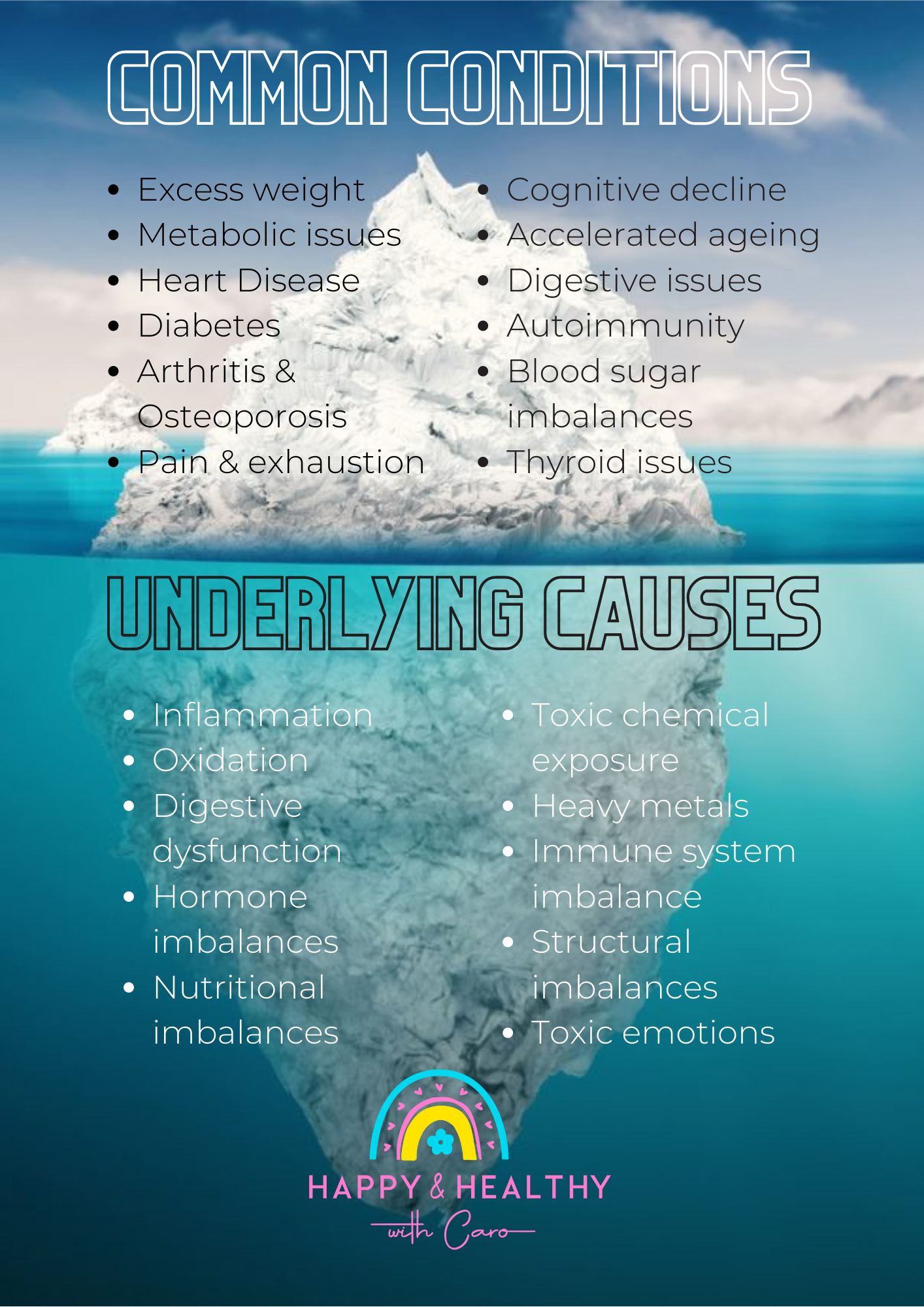.png "Underlying Condition Conditions")
Rather than restoring focus, a higher dose may exacerbate the symptoms of the secondary condition, potentially leading to increased anxiety, insomnia, or an elevated heart rate. This creates a cycle where the patient feels worse, yet believes they need more medication to function.
Moving Toward a Holistic Treatment Plan
To address this, medical professionals recommend a comprehensive diagnostic review when medication effectiveness seems to decline. Instead of a routine dose adjustment, a thorough evaluation can determine if a new condition, such as a sleep disorder or clinical depression, has entered the picture.
A more effective strategy often involves a multimodal approach. This includes combining pharmacological treatment with psychotherapy, which helps patients manage the emotional components of their conditions that medication alone cannot resolve. This shift toward a more comprehensive diagnostic approach could lead to more sustainable long-term outcomes for adults managing ADHD.
