
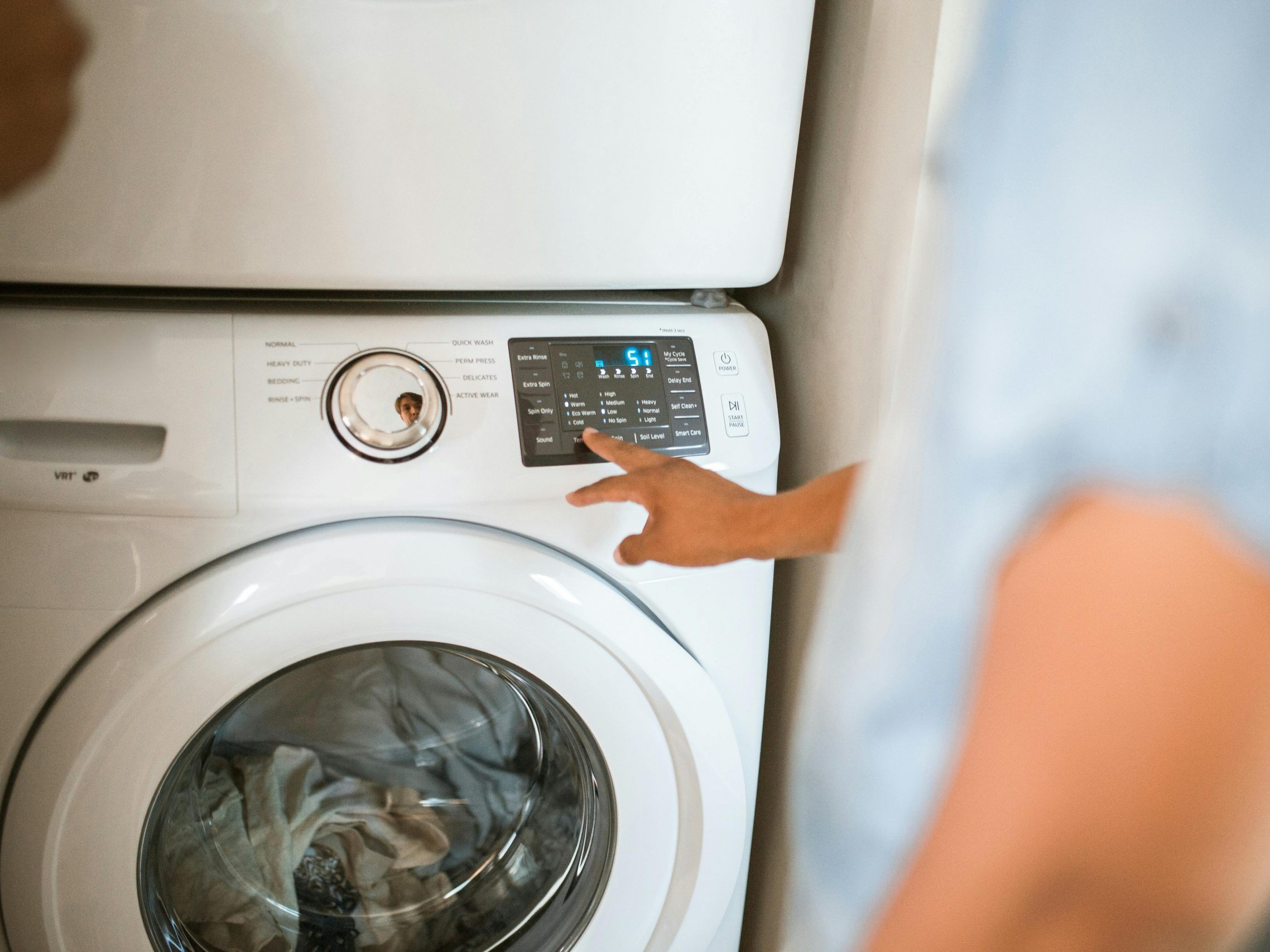
Many people believe leaving the washing machine door open after a cycle helps prevent mold and odors by allowing air to circulate. However, recent insights suggest this common habit may actually cause more harm than good over time.
Experts warn that keeping the door ajar continuously places unnecessary strain on the door seals and hinges. This prolonged stress can lead to gradual wear, potentially causing misalignment that affects how the door closes or seals during operation. Such issues might not only complicate everyday use but could also interfere with the machine’s internal sensors, particularly in newer models equipped with advanced monitoring systems.
These sensors, designed to optimize wash and dry cycles, may misread conditions if the door is not properly shut, possibly impacting energy efficiency and cycle performance. Whereas brief ventilation right after a wash can facilitate dissipate moisture, leaving the door open indefinitely is not recommended as a long-term solution.
Instead, specialists advise wiping down the rubber gasket regularly to remove trapped water, lint, and detergent residue—common breeding grounds for mold. Allowing the door to remain slightly ajar for a short period immediately after a cycle can aid in drying, but it should be closed afterward to protect both the appliance and household hygiene.
For those concerned about space constraints in smaller laundry areas, magnetic door stops offer a practical alternative, enabling slight ventilation without compromising the door’s alignment or risking damage to the mechanism.
The takeaway is clear: while the intention behind leaving the door open is understandable, the practice may ultimately undermine the very goals of cleanliness and appliance longevity it aims to support.
